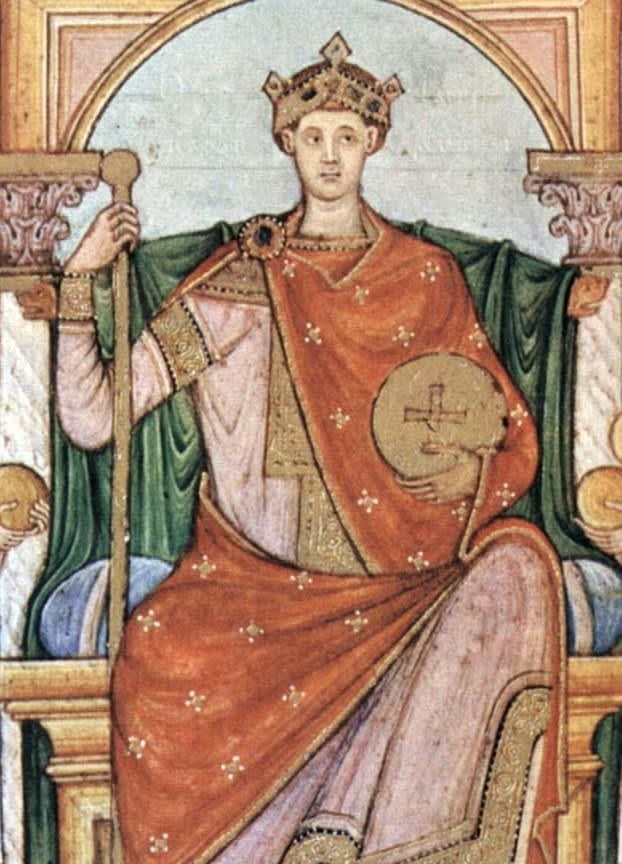
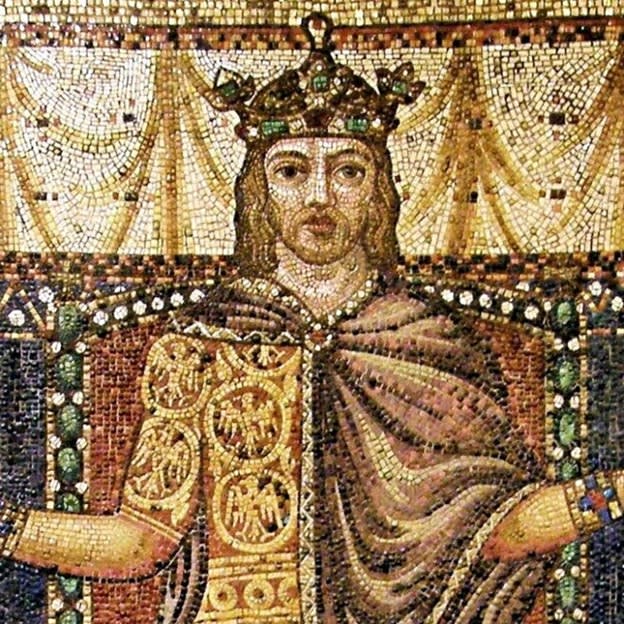
The story of Otto II, known as Otto the Red, is a chronicle of a rapid rise, daring military campaigns, and a tragic end that cut short the life of a monarch at the very height of his ambitions. In 973, when his great father, Otto I, passed away, the young heir was only eighteen years old. Although he had nominally held the title of emperor since the age of thirteen, the real burden of power suddenly fell upon his shoulders.
Chroniclers described him as a man of short stature, yet endowed with remarkable agility, physical strength, and courage—qualities he would have to prove throughout the years of his reign.
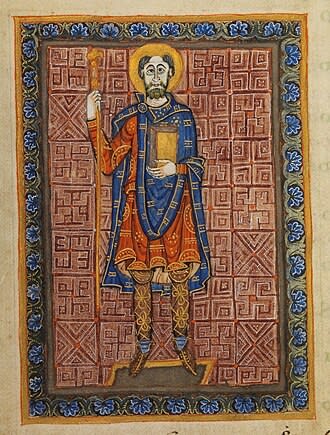
The beginning of Otto II’s reign was marked by attempts to strengthen the internal structure of the state through the redistribution of lands. The death of Burchard, Duke of Swabia, allowed the emperor to grant this important region to his childhood friend and relative, Otto, son of Liudolf. At the same time, administration of the Eastern March was entrusted to Leopold of Babenberg, laying the foundations for the rise of the famous House of Babenberg.
However, this policy of appointments provoked fierce resentment from Henry II of Bavaria, known as Henry the Quarrelsome.
Henry formed an alliance with the rulers of Bohemia and Poland and launched an open rebellion. Otto II responded decisively, and by 976 the Bavarian duke had been subdued and stripped of his possessions. In order to weaken the influence of the rebellious region, the emperor separated Carinthia from Bavaria, united it with the March of Verona, and created a new duchy under Henry the Younger.
Nevertheless, in 977 the smoldering conflict erupted once again with renewed force, entering history as the War of the Three Henries. The emperor was opposed by the exiled Henry the Quarrelsome, Henry of Carinthia, and Bishop Henry of Augsburg.
Otto II once again demonstrated his military ability. By 978, the rebellion had been completely suppressed. The dukes were sent into exile, while the bishop, after a brief imprisonment, returned to his diocese after acknowledging the supremacy of the crown.
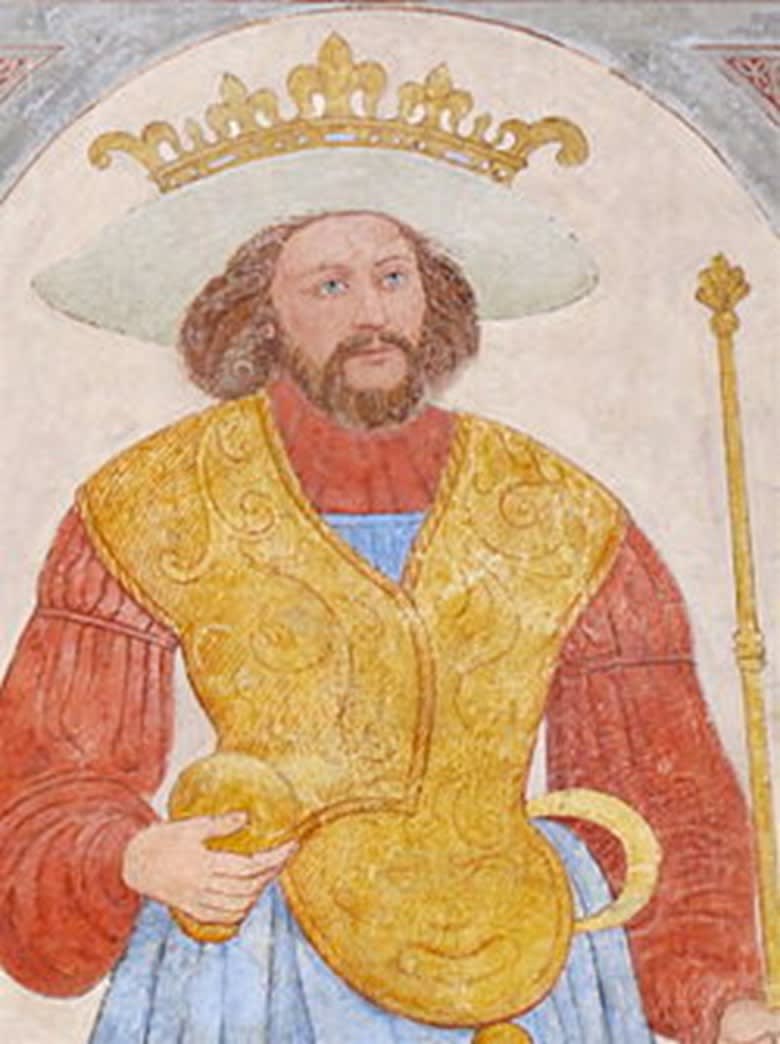
While passions raged inside the empire, its borders also required protection. In 974, Otto II launched a major campaign against Denmark. A bloody battle near the Danevirke fortifications ended in an imperial victory. King Harald I Bluetooth of Denmark was forced to submit, and he was soon followed by the Bohemian ruler Boleslaus II the Pious.
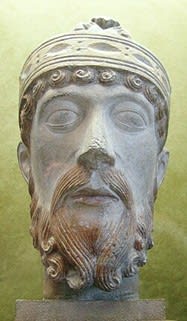
However, the boldest challenge came from the west. In the autumn of 978, King Lothair of West Francia launched a treacherous attack on Aachen. Without a declaration of war, the Frankish army struck at the emperor’s residence, hoping to capture him.
Otto II and his wife Theophanu barely managed to escape to Cologne. As a gesture of humiliation toward his opponent, Lothair ordered the bronze eagle on the roof of the imperial palace to be turned from east to west before withdrawing.
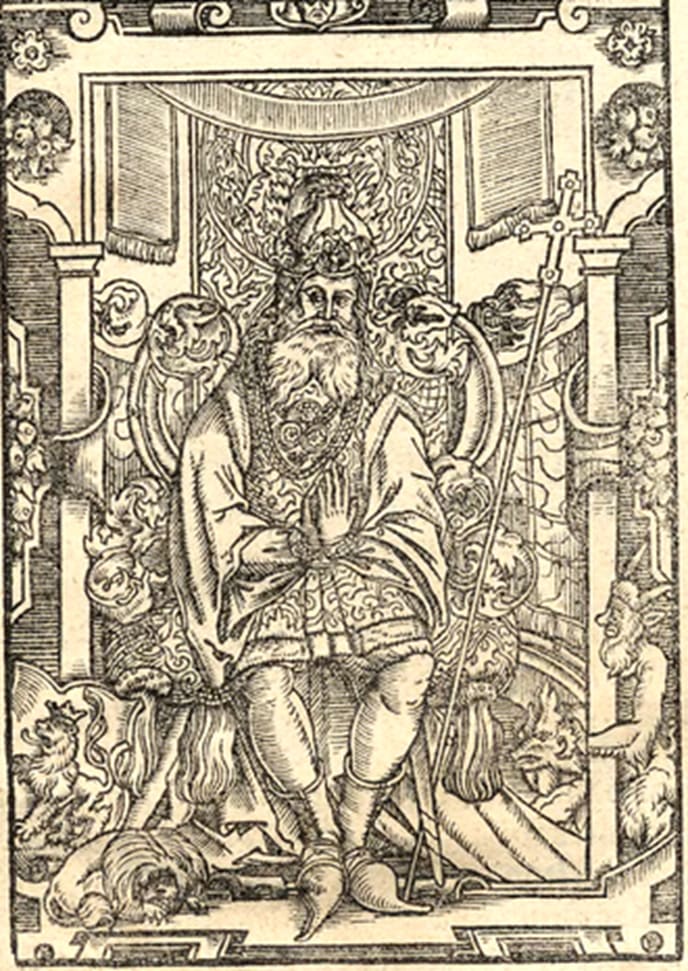
Otto’s response was overwhelming. After assembling an enormous army by the standards of the time—reportedly around 60,000 men—he invaded Lothair’s lands and advanced as far as Paris.
After reaching Montmartre, the “Mount of Martyrs,” the emperor ordered the assembled clergy to sing the solemn hymn Te Deum, whose sound carried over the French capital as a demonstration of the triumph of German imperial power.
In 980, Lothair officially renounced his claims to Lorraine. In the same year, the Polish ruler Mieszko I also expressed his submission, thereby firmly establishing Otto’s hegemony in Central Europe.
Having secured his authority in the north, Otto II turned his attention to Italy. As Roman emperor, he believed it was his duty to defend the peninsula from Byzantine ambitions and the Arab threat.
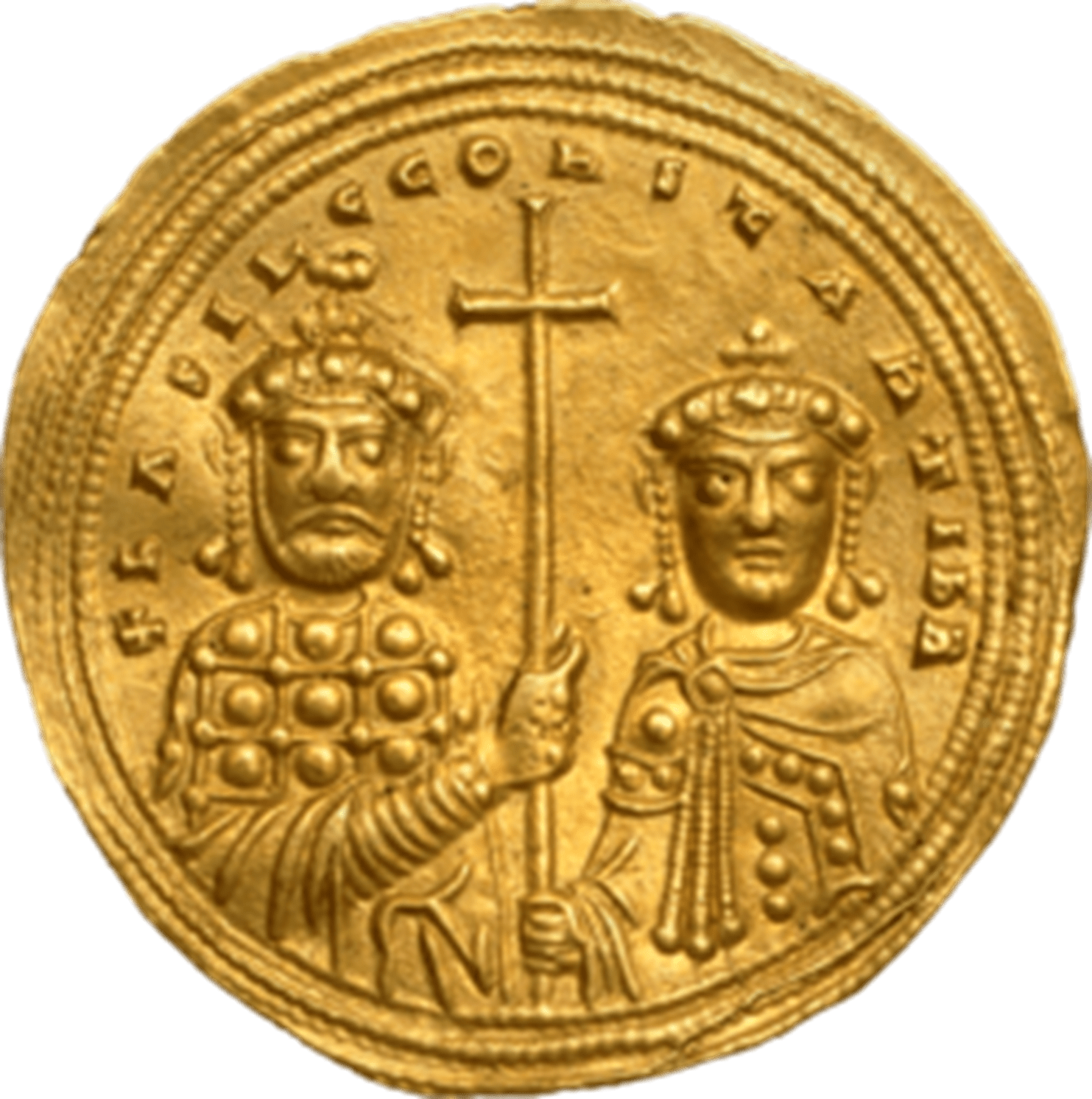
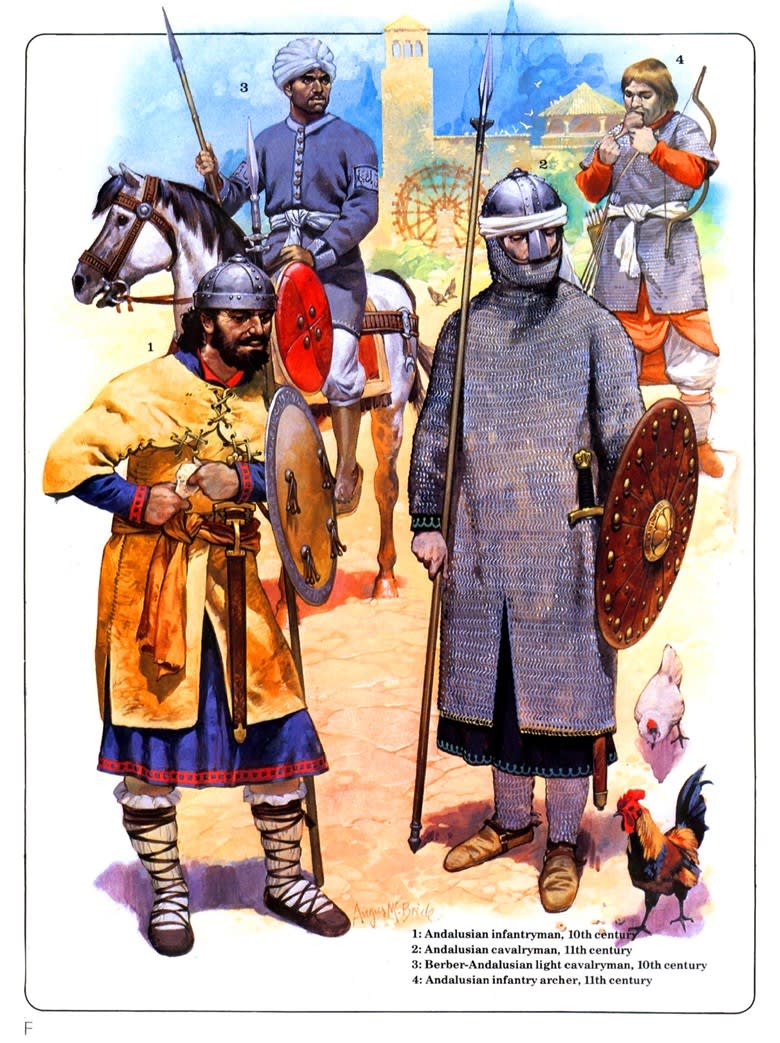
At that time, southern Italy was suffering devastating raids by the Sicilian emir Abu al-Qasim of the Kalbid dynasty. The Byzantine Empire, then troubled by internal difficulties under the young emperors Basil II and Constantine VIII, was unable to defend its Italian territories effectively.
In the autumn of 980, Otto arrived in Italy, bringing with him his wife and young son. This campaign also marked a reconciliation between the emperor and his mother, Adelaide.
In September 981, the imperial army moved south. The decisive confrontation took place in July 982 near Cape Colonna, not far from Crotone.
At first, the battle favored the Germans. Their heavy cavalry broke through the Arab formations, and Emir Abu al-Qasim himself was killed by the sword.
However, while celebrating what appeared to be an early victory, and exhausted by the intense heat, Otto’s knights fell into an ambush. The main Arab forces, which had been concealed in the mountains, launched a sudden counterattack.
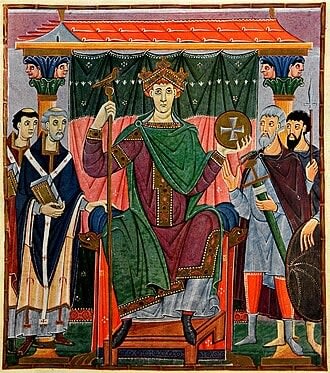
The defeat was devastating. A large part of the German elite was killed or captured. Otto II himself escaped only by extraordinary good fortune, swimming out to a passing Byzantine ship while concealing his identity. He later managed to disembark safely at another location.
News of the defeat in Calabria shocked Europe. Nevertheless, Otto II did not lose his resolve. In June 983, he convened one of the most representative assemblies in medieval history at Verona. The entire imperial family, together with the highest-ranking nobility of Germany and Italy, was present.
At this gathering, the emperor announced preparations for a new expedition aimed at completely driving the Arabs from Italy and conquering Sicily. At the same assembly, his three-year-old son, the future Otto III, was unanimously elected king of both realms.
But fate intervened. While preparations for the new war were underway, catastrophic news arrived from the north.
In Denmark, Sweyn Forkbeard rebelled, while on the eastern frontier the Great Slavic Uprising of 983 erupted. Havelberg, Brandenburg, and Hamburg were destroyed, Christian missions were wiped out, and German influence east of the Elbe was effectively eliminated for decades.
Weakened by these developments and by a severe illness, probably malaria, Otto II died in Rome on 7 December 983, at only twenty-eight years of age.
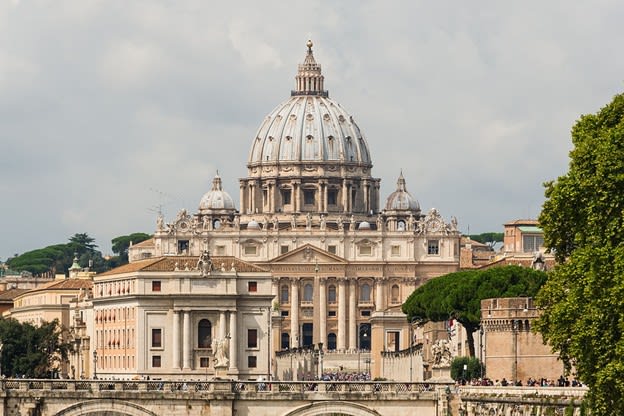
He was buried in St. Peter’s Basilica, becoming the only German emperor whose remains rest in the Vatican.
Otto left the empire in the hands of a three-year-old child, under the protection of two formidable women—his mother Adelaide and his widow Theophanu—who would be responsible for preserving the Ottonian legacy during the turbulent years that followed.