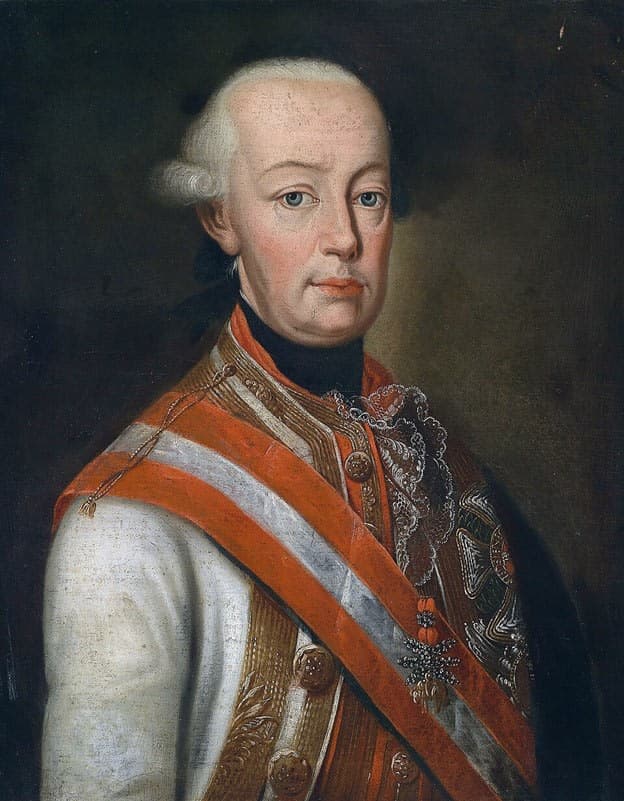
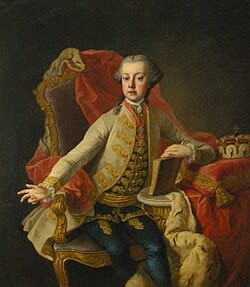
The life of Leopold, born in magnificent Vienna as the third son of the imperial couple, initially gave little indication that he would one day wear the imperial crown. His parents prepared the young prince for a quiet ecclesiastical career, and as a result his early education focused heavily on theology.
The family’s matrimonial plans also changed over time. In 1753, Leopold was betrothed to Maria Beatrice d’Este, the noble heiress to the Duchy of Modena. However, the marriage was never to take place; Maria Beatrice later became the wife of Leopold’s own brother, Archduke Ferdinand.
Leopold’s fate took a dramatic turn in 1761, when his elder brother, Archduke Charles, died prematurely. At a family council, it was decided that Leopold would succeed his father as Grand Duke of Tuscany. At the time, Tuscany was regarded as a secundogeniture—a distinct possession and title reserved specifically for the second son of the dynasty, ranking considerably above an ordinary appanage.
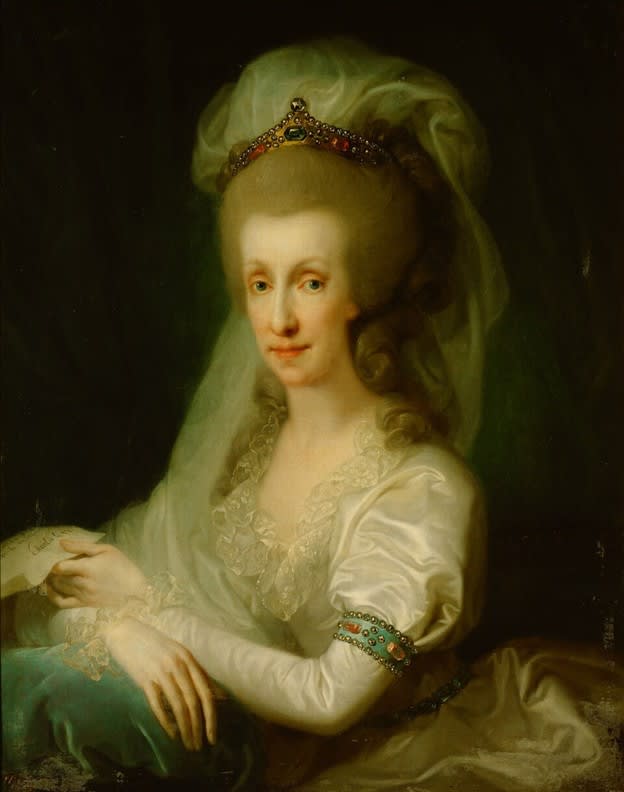
Dynastic alliances were arranged well in advance, and on February 16, 1764, a proxy marriage was concluded in Madrid between Leopold and Maria Luisa of Spain, daughter of King Charles III of Spain and Maria Amalia of Saxony.
More than a year after this marriage by proxy, their personal wedding ceremony took place on August 5, 1765. Only thirteen days later, on August 18, following the death of his father Francis I, Leopold formally assumed his rights as Grand Duke of Tuscany.
The first five years of the young grand duke’s rule in Florence were overshadowed by tutelage. He possessed only nominal authority and remained under the strict supervision of advisers appointed by his mother.
Only in 1770 did Leopold resolve to travel to Vienna and demand an end to this burdensome dependence. Having successfully defended his rights, he returned to Florence and finally gained the ability to govern his state entirely on his own.
The following twenty years, until 1790, became an era of unprecedented reform for this small Italian state.
Having taken power into his own hands, Leopold decisively abolished destructive restrictions on personal liberty and industry that had been introduced by his Medici predecessors and had remained in place during his father’s lifetime.
The grand duke introduced a more rational taxation system, substantially reduced tax rates, and organized a series of large-scale public works that proved highly beneficial to the economy, among which the enormous drainage project in the Valdichiana Valley stood out.
His pragmatism was also evident in military affairs. Since Leopold had no need to maintain a large army, and even dissolved the small navy inherited from the Medici, almost all the state revenue that was freed as a result could be redirected toward the peaceful development of Tuscany.
Despite these obvious achievements, Leopold never enjoyed particular popularity among his Italian subjects.
By temperament, he remained cold and reserved. In everyday life, he was characterized by extreme simplicity, at times approaching stinginess, although when circumstances demanded it, he was fully capable of displaying true monarchical splendor and luxury.
Moreover, his bold reforms inevitably created bitter enemies among those who had for years personally profited from the abuses of the former Medici regime.
Nevertheless, it was precisely his consistent, rational, and gradual style of government that brought the Grand Duchy of Tuscany to an unprecedented level of material prosperity.
His ecclesiastical policy proved far less successful.
Attempts to reform this sensitive sphere touched upon the deeply rooted religious beliefs of the population and naturally brought Leopold into sharp conflict with the pope.
The grand duke never succeeded in secularizing the extensive property of religious institutions or in completely subordinating the clergy to secular authority.
Yet Leopold entered the history of humanity through another truly epoch-making achievement: it was under his rule that the first lasting abolition of the death penalty in the modern era was carried out.
On November 30, 1786, taking into account the fact that death sentences had effectively not been carried out for several years—the last execution had taken place in 1769—Leopold approved a reform of the criminal law.
The new “Leopoldine Code” completely abolished capital punishment, prohibited the use of torture, and even ordered the physical destruction of all instruments that had ever been used for executions.
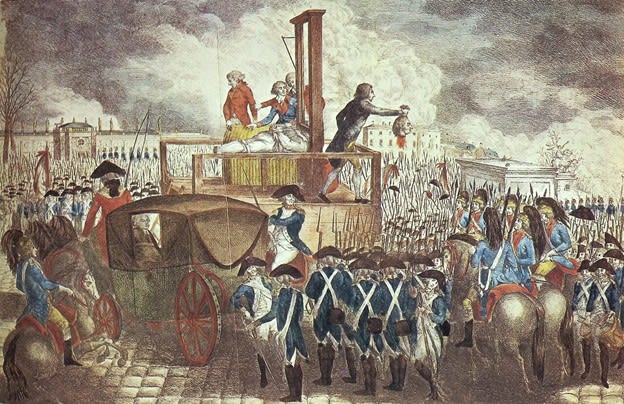
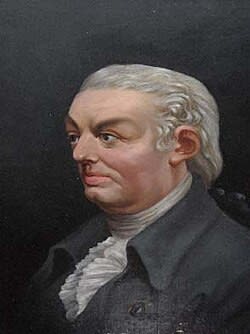
As a true son of the Enlightenment, Leopold did not neglect science and medicine.
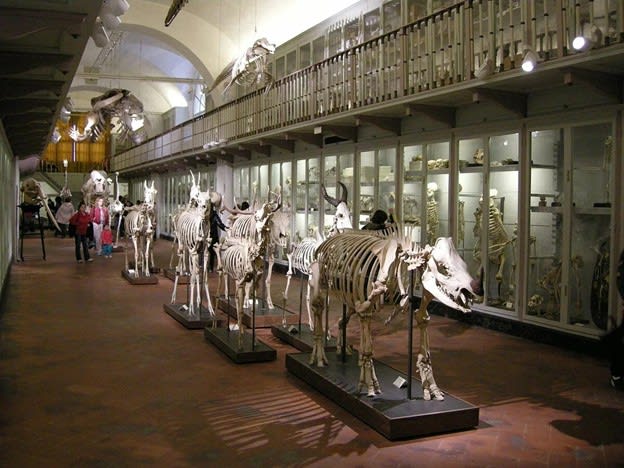
He significantly expanded the La Specola Museum, enriching its collections with unique medical wax models and other natural-science exhibits, pursuing the noble objective of educating the inhabitants of Florence through empirical study of the laws of nature.
The ruler also actively supported numerous social initiatives. Systematic vaccination against smallpox was organized in Tuscany, and under his rule one of the earliest institutions for the rehabilitation of juvenile offenders was established.
Leopold’s radical reforms concerning people suffering from mental illness deserve special mention, since such individuals had previously been widely neglected and subjected to brutal treatment.
On January 23, 1774, the first law of its kind in Europe was adopted—the legge sui pazzi, or “law on the insane”—which established strict legal procedures for the hospitalization of mentally ill patients.
Several years later, the grand duke initiated the construction of the new Bonifacio Hospital.
Possessing a remarkable ability to select talented personnel, he appointed the young and progressive physician Vincenzo Chiarugi as its director.
Chiarugi and his colleagues introduced entirely new, humanitarian rules for the treatment of patients, categorically prohibiting the use of chains and physical punishment.
As a result, the Florentine experience is now regarded as one of the earliest predecessors of the approach later known as the “moral treatment” of the mentally ill.
Leopold’s political thought was also ahead of its time.
He personally approved and supported the drafting of the first political constitution for the state, based on the inviolable respect for the political rights of citizens and a strict balance between executive and legislative authority.
Historians have argued that in several respects the project anticipated the French constitution by many years and displayed clear similarities to the celebrated Virginia Declaration of Rights of 1776.
Yet such an innovative document provoked fierce resistance even among social groups that potentially stood to benefit most from it.
Ultimately, the project could never be implemented. In 1790, Leopold left Florence forever in order to assume the imperial throne in Vienna.
During the final years of his successful rule in Tuscany, Leopold became increasingly concerned by growing unrest in the German and Hungarian territories of the Habsburg monarchy.
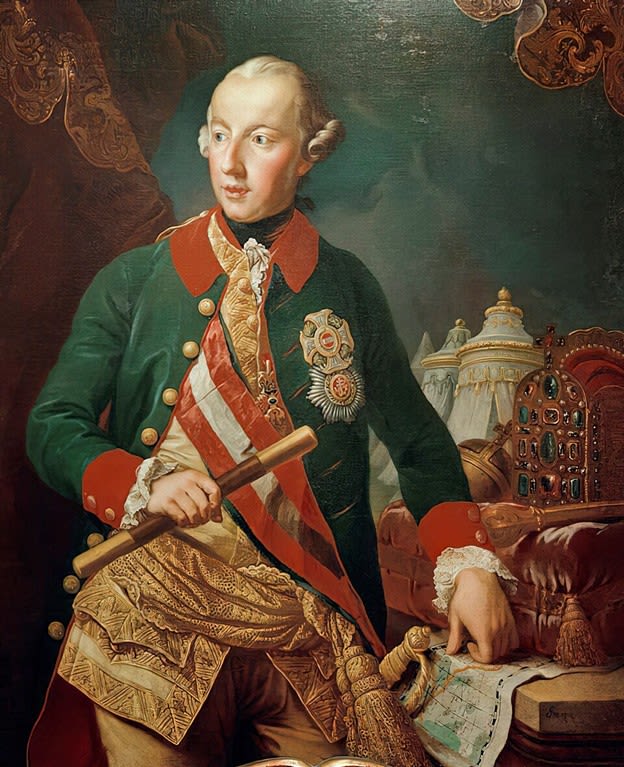
These disturbances were a direct consequence of the excessively rigid and directive methods of government employed by his elder brother Joseph II.
The brothers were deeply attached to one another and met frequently during their mother’s lifetime and after her death.
Nevertheless, Leopold differed fundamentally from his brother in his pragmatism. As Bernard Le Bovier de Fontenelle once put it, “his heart was made of brain.”
Fully aware that the Austrian hereditary lands would pass to him after the death of his childless elder brother, Leopold had no desire to inherit Joseph’s unpopularity along with them.
Thus, when the terminally ill Joseph begged him in 1789 to come to Vienna and become his co-ruler, Leopold tactfully avoided accepting the offer.
When Joseph II died in Vienna on February 20, 1790, Leopold was still in his beloved Florence.
He did not leave the Tuscan capital until March 3.
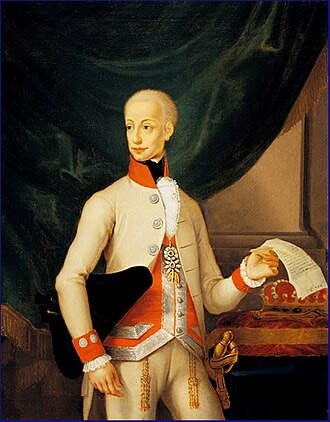
Strictly observing the principle of secundogeniture by which he himself had once obtained Tuscany, Leopold transferred the Grand Duchy to his second son, Ferdinand III.
Ferdinand successfully ruled Tuscany until the French invasion of 1797 and, after the restoration, once again from 1814 to 1824.
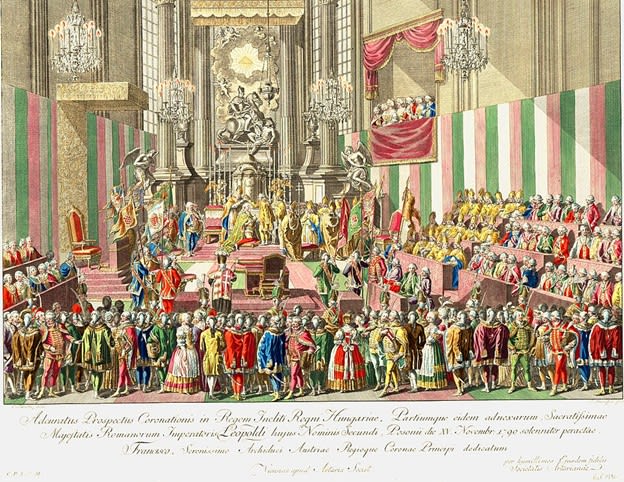
Upon becoming Holy Roman Emperor—as reflected in the famous work by Karl Schütz depicting Leopold’s coronation as King of Hungary in Pressburg, as well as in János Donát’s posthumous 1806 portrait of him wearing the insignia of a knight of the Order of the Golden Fleece—Leopold faced an enormous political crisis.
Although in Tuscany he had shown himself inclined to grant his subjects a constitution, after inheriting the turbulent Austrian lands he began his reign with major concessions to groups whose interests had been harmed by his late brother’s reforms.
He formally recognized the estates of the various territories as “pillars of the monarchy,” skillfully managed to calm the dissatisfied Hungarians and Czechs, and also attempted to divide the rebels in the Austrian Netherlands, modern-day Belgium, by means of political concessions.
When diplomatic measures proved insufficient to restore order, Leopold sent troops into the rebellious provinces, reestablished his authority by force of arms, yet at the same time prudently reaffirmed the historic privileges of the Flemish population.
Nevertheless, Leopold did not blindly destroy the entire legacy of his predecessors.
He preserved those useful reforms of Maria Theresa and Joseph II that strengthened state authority.
For example, he firmly insisted on maintaining the principle of placetum regium, according to which no papal bull could be published in his territories without the direct approval of the monarch.
However, political compromise also forced him to take extremely harsh steps that were unpopular among ordinary people.
One such decision, designed to reconcile the crown with the powerful noble estates of the Habsburg lands, was the decree of May 9, 1790.
With a single stroke of the pen, Leopold forced thousands of Czech peasants, who had only recently been liberated by his brother Joseph, back into a burdensome state of dependence.
Leopold was destined to spend less than two years on the imperial throne, and this entire period was filled with a continuous struggle against external threats in both the west and the east.
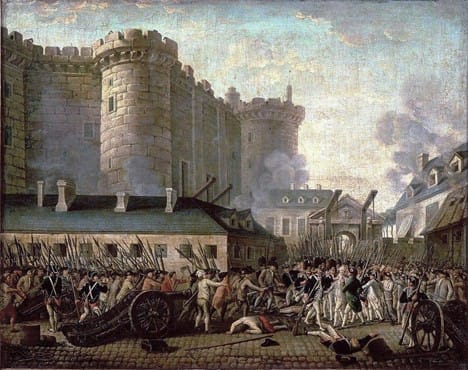
In the west, the expanding French Revolution not only directly threatened the life of his own sister Marie Antoinette, wife of King Louis XVI of France, but also created a real danger that revolutionary ideas might spread into Leopold’s own territories.
His sister sent him desperate and persistent appeals for assistance from Paris.
At the same time, the Viennese court was besieged by French royalist émigrés demanding immediate armed intervention in France.
In the east, meanwhile, the empire faced the relentless ambitions of Russian Empress Catherine II and the aggressive expansionist policy of Prussia.
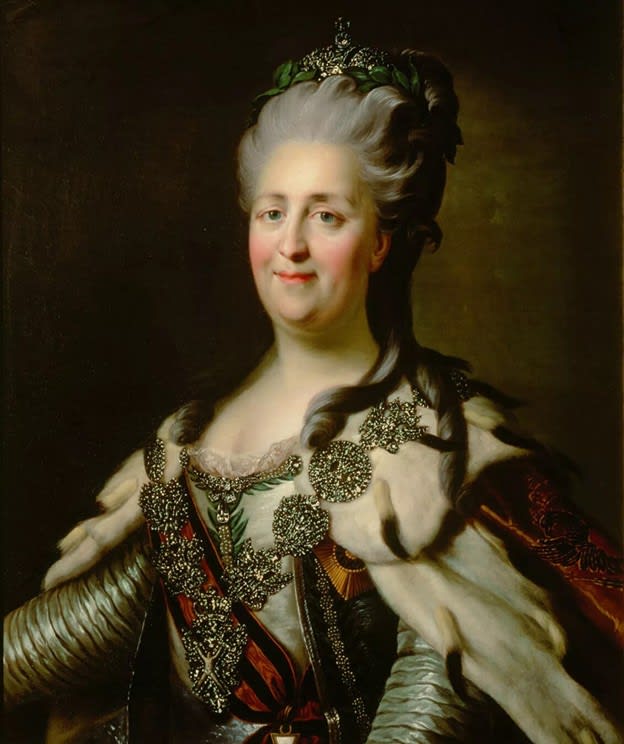
Catherine the Great would have been extremely pleased if Austria and Prussia had become embroiled in a crusade against the French Revolution.
While the German monarchies were bogged down in fighting beyond the Rhine, Russia would have gained the perfect opportunity to annex the remaining territories of the disintegrating Polish-Lithuanian Commonwealth and to continue its large-scale conquests at the expense of the weakening Ottoman Empire.
Leopold II, however, proved highly perceptive in recognizing the calculations behind Russian policy and categorically refused to allow Austria to be drawn into this game.
He gave his sister only cautious and measured advice, promising military assistance only if she and her royal husband managed to escape revolutionary Paris on their own.
He consistently refused audiences to the French émigrés who followed the emperor almost everywhere, and when they did manage to obtain access to him, he firmly rejected any form of support.
A thoroughly pragmatic politician, Leopold privately saw considerable geopolitical advantages in the weakening of France and the dramatic decline of its influence in Europe as a consequence of domestic upheaval.
Leopold’s diplomatic maneuvering was highly skillful.
Only six weeks after ascending the throne, he effectively repudiated the old alliance with France concluded by Maria Theresa in 1756.
At the same time, the emperor entered into complex negotiations with Great Britain, correctly calculating that British support could help him restrain both Russia and Prussia.
He did not hesitate to apply considerable pressure on London, openly threatening to transfer his part of the Netherlands into French hands if Britain refused to cooperate.
Having ultimately secured firm confidence in British support, Leopold was able to oppose Prussian ambitions more effectively.
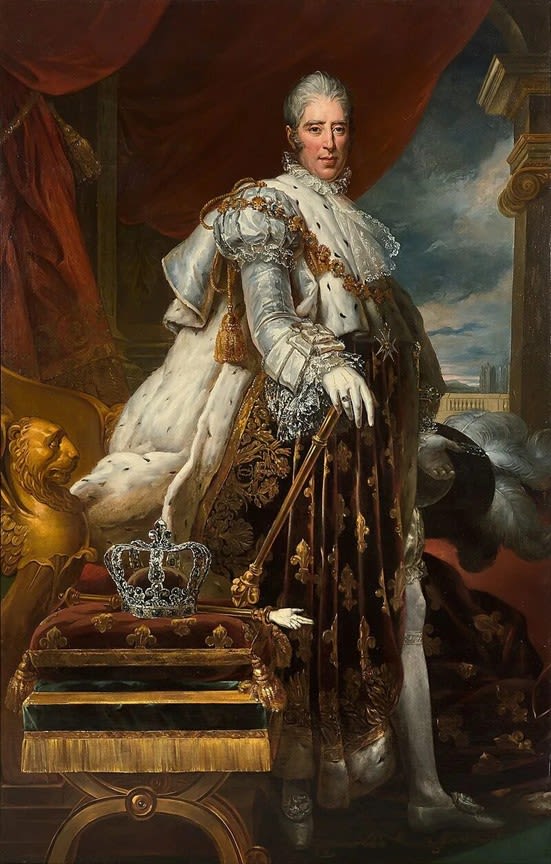
His personal appeal to King Frederick William II of Prussia led to the historic meeting of the two monarchs at Reichenbach in July 1790, where an agreement was signed that amounted to a diplomatic setback for Prussia.
Having settled matters in the German sphere, Leopold turned to legitimizing his authority in his other territories.
On November 11, 1790, he was solemnly crowned King of Hungary after reaching a strategic agreement with the local Diet and formally recognizing the leading political role of the Magyar nobility within the kingdom.
To secure his eastern frontier, he had already concluded an eight-month truce with the Ottoman Empire in September of that year, preparing favorable conditions for ending the difficult war originally begun under Joseph II.
In August 1791, the conflict was finally brought to an end through the Treaty of Sistova.
Pacification of the eastern territories gave Leopold greater freedom to focus on the final suppression of unrest in Belgium and on strengthening friendly relations with Britain and the Netherlands.
Nevertheless, throughout 1791 the emperor’s attention was increasingly drawn to the bloody events unfolding in France.
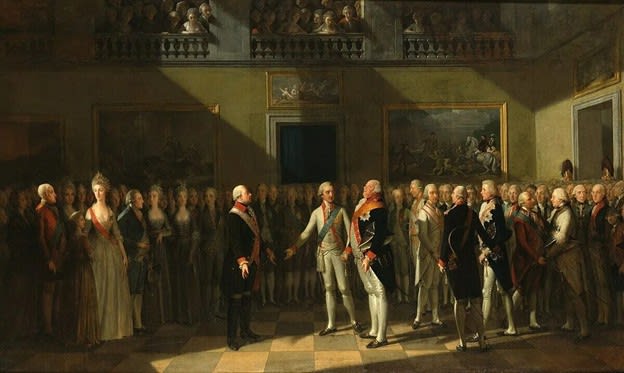
Leopold made every effort to preserve neutrality. In January, he sharply rejected the requests of the Comte d’Artois, the future King Charles X of France, regarding the actions of the French émigrés, which he considered reckless.
However, the unprecedented humiliations suffered by Louis XVI and Marie Antoinette following their failed attempt to flee to Varennes in June 1791 exhausted the emperor’s patience and provoked genuine outrage.
In his famous Padua Circular, Leopold openly appealed to the monarchs of Europe, calling for joint measures in response to the revolution because events in Paris, in his words, “directly concerned the honor of all sovereigns and the security of all governments.”
Despite these dramatic words, Leopold acted with calculated restraint.
On August 25, 1791, he met the King of Prussia at the magnificent Pillnitz Palace near Dresden, where the rulers issued the Declaration of Pillnitz.
In this document, they openly declared themselves prepared to intervene in French affairs by armed force, but only if the other European powers joined them as well.
In practice, the declaration was primarily formal and declarative in nature. Leopold fully understood that neither Russia nor, especially, Great Britain was prepared at that moment for genuine military intervention.
The emperor made every effort to prevent the militant French émigrés from using the declaration as a pretext for launching a full-scale war.
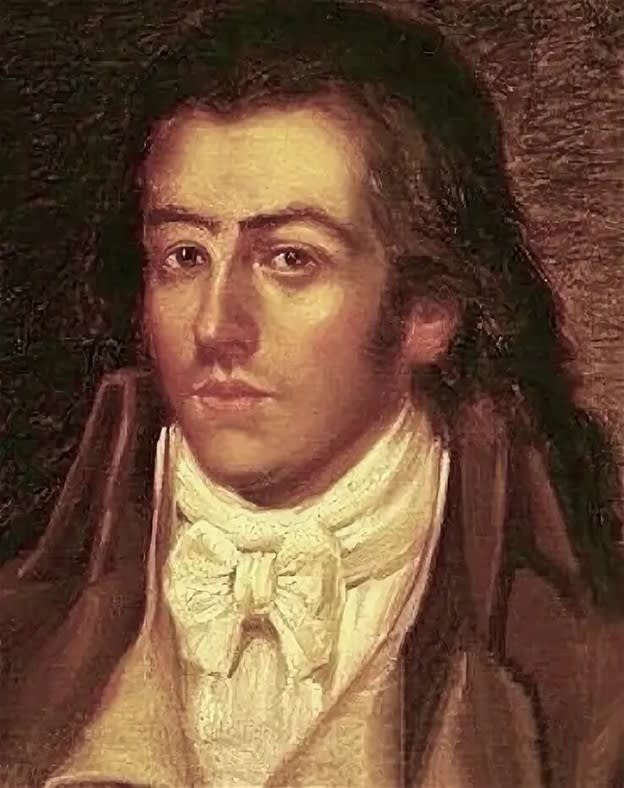
When the hesitant Louis XVI swore allegiance to the new French constitution in September 1791, Leopold was relieved and hastened to declare that he considered the acute crisis finally resolved.
His hopes, however, soon collapsed.
Continued attacks by radicals on the legal rights of German princes on the left bank of the Rhine in Alsace, together with increasingly aggressive and militant rhetoric from political factions in Paris itself, revealed the growing likelihood of a confrontation.
Until the very end, Leopold intended to respond to the challenge of the revolutionaries calmly and while preserving monarchical dignity.
Yet contrary to his expectations, the Declaration of Pillnitz had the effect of a political explosion in France, contributing to a further sharp radicalization of the revolutionary movement.
Away from high politics, Leopold II also left a lasting mark on cultural history as a generous patron of the arts who had a major influence on the development of opera in both Tuscany and Vienna.
During his long rule in Florence, the grand duke developed a passionate interest in Italian opera.
He actively supported the composer Tommaso Traetta, personally financing productions of his bold and innovative works, including the celebrated Florentine premiere of the opera Ifigenia in Tauride in 1763.
Leopold’s court became a magnet for talent. He patronized outstanding opera singers such as Giovanni Manzuoli, Giusto Ferdinando Tenducci, and Tommaso Guarducci.
Upon ascending the throne of the Holy Roman Empire in 1790, Leopold brought his enthusiasm for the Florentine musical tradition to more conservative Vienna.
Numerous Italian musicians and singers moved with him to the imperial capital.
The emperor carried out a sweeping reform of the Viennese court. Many singers, composers, and librettists who had previously worked there, including the celebrated Lorenzo Da Ponte, were dismissed.
Before Leopold’s accession, the lively comic genre of opera buffa had occupied a central position on the Viennese stage.
The new emperor, however, personally ordered that classical ballet and opera seria—serious, elevated opera—should henceforth become the principal genres at the Kärntnertortheater and the Burgtheater.
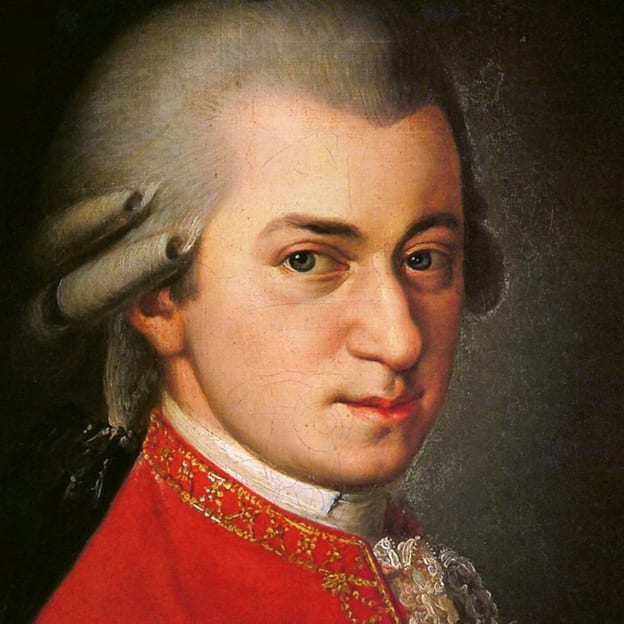
Responding to the new artistic direction, even the brilliant Wolfgang Amadeus Mozart, who had earlier collaborated with the now-disfavored Da Ponte on such masterpieces of opera buffa as The Marriage of Figaro (1786), Don Giovanni (1787), and Così fan tutte (1790), was required to adapt his style.
For the lavish celebrations surrounding Leopold’s coronation as King of Bohemia in Prague on September 6, 1791, Mozart composed the magnificent opera seria La clemenza di Tito at the commission of the Bohemian estates.
This strict reorientation of the Viennese stage toward serious opera and ballet proved so profound that it survived Leopold himself and continued to exert influence for several decades into the nineteenth century.
In family life, like his royal parents, Leopold was extraordinarily prolific: his marriage produced sixteen children, many of whom would go on to play important roles in European history.
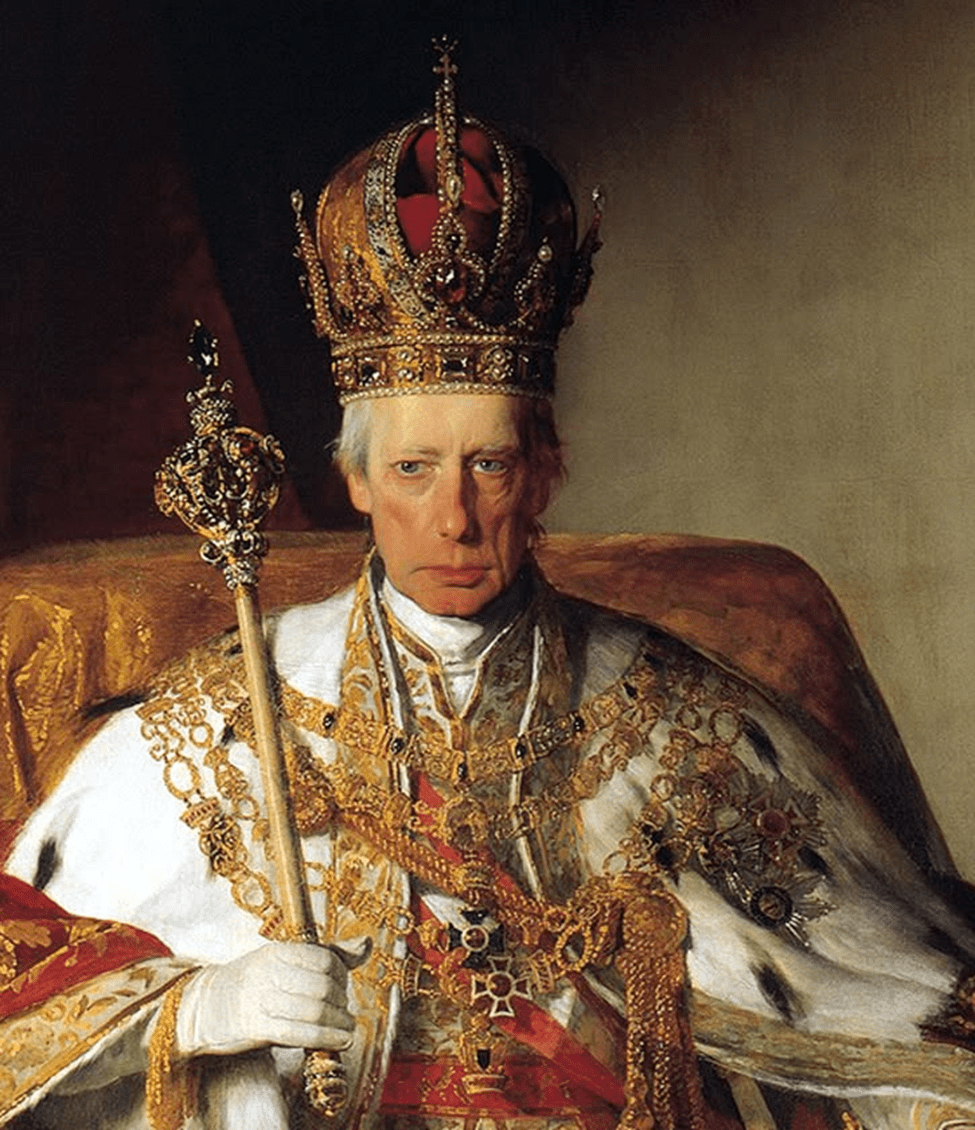
His eldest son, one of eight boys, would later succeed him as Emperor Francis II.
His other sons also left their mark on history. Ferdinand III became Grand Duke of Tuscany; Archduke Charles, Duke of Teschen, became famous as an outstanding military commander; Archduke John of Austria also became a prominent military figure; Archduke Joseph served as Palatine of Hungary; and Archduke Rainer served as Viceroy of the Kingdom of Lombardy-Venetia.
The life of this remarkable reformer, pragmatist, and refined patron of the arts ended completely unexpectedly.
Leopold II died suddenly of pneumonia in Vienna on March 1, 1792, before he could complete many of his imperial initiatives.
His body was laid to rest in the Tuscan Vault of the famous Imperial Crypt in Vienna.


