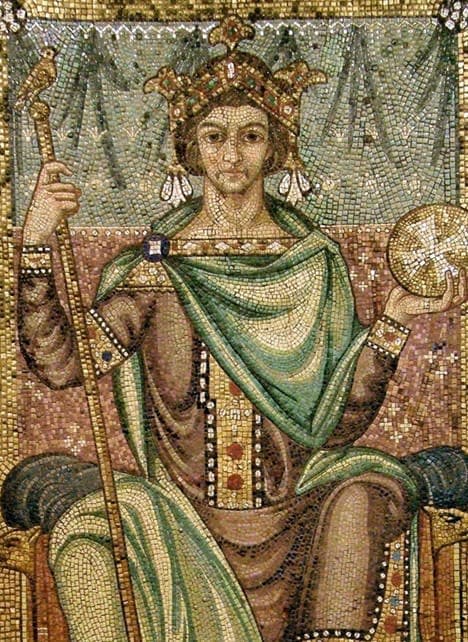
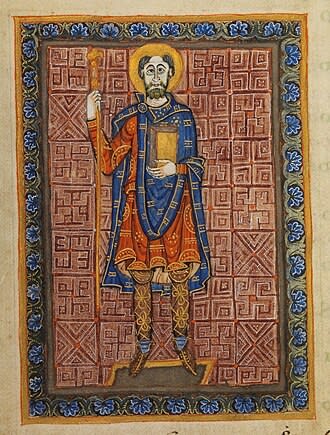
The future emperor’s origins were rooted in an atmosphere of constant rivalry. His father, Henry II the Quarrelsome, obsessed with expanding his possessions, entered into open confrontation with Emperor Otto II. After a series of conspiracies and rebellions in 974, supported by the rulers of Bohemia and Poland, Henry the Quarrelsome was imprisoned at Ingelheim. Despite a daring escape in 976 and the continuation of his resistance, he was ultimately defeated at Passau and, at Easter in 978, was sent into exile in Utrecht under the supervision of Bishop Folkmar.
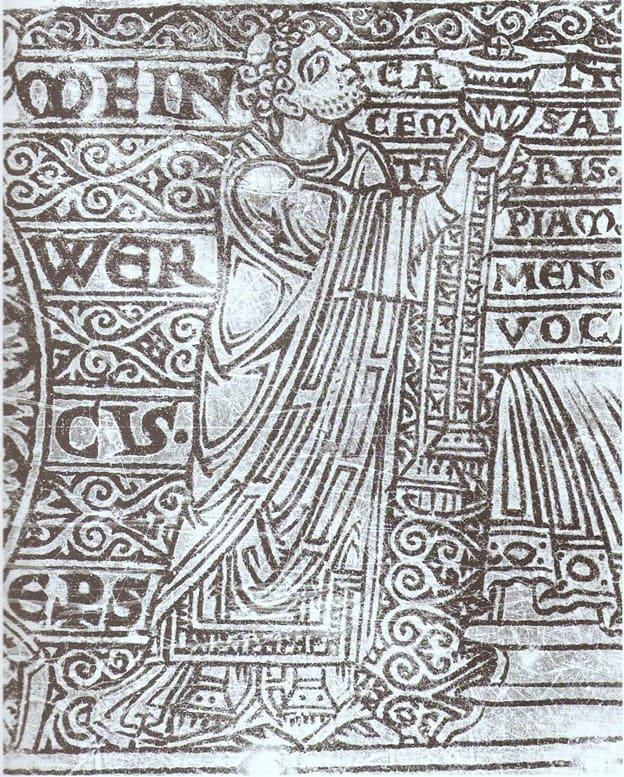
These upheavals determined the unusual fate of the young Henry. Separated from his family, he was sent to the cathedral school of Hildesheim, considered one of the finest educational institutions in the empire at the time. There, under strict monastic discipline, he was prepared not for the throne, but for an ecclesiastical career.
The curriculum was exceptionally broad: it included classical rhetoric, dialectics, Latin, geometry, astronomy, music, and even the delicate art of goldsmithing. It was within these walls that Henry formed a friendship with Meinwerk, the future Bishop of Paderborn, who would remain one of his lifelong supporters.
Only the death of Otto II in 983 opened the way for Henry’s family to return from disgrace. After difficult negotiations and the restoration of the Bavarian lands at the imperial assembly in Frankfurt on 29 May 985, Henry left the school and continued his education in Regensburg. By 988, he was already officially acting as his father’s co-ruler, learning the arts of war and diplomacy through actual military campaigns.
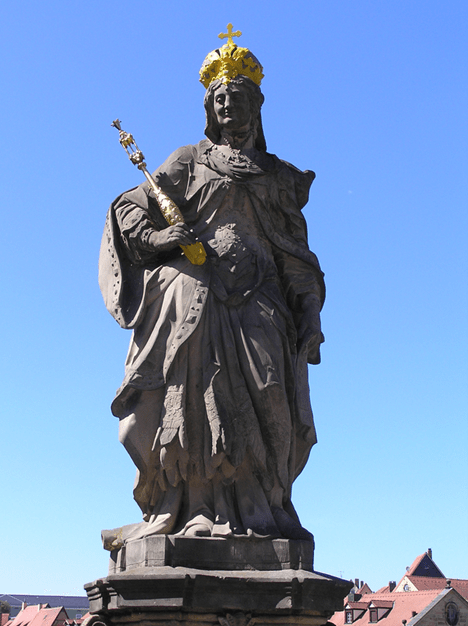
In the summer of 995, during a campaign against the Slavs, Henry the Quarrelsome fell ill. Before his death at Gandersheim, he instructed his son to preserve peace with the king. On 28 August 995, Henry assumed control of Bavaria under the name Henry IV.
Around the year 1000, he strengthened his position through marriage to Cunigunde of Luxembourg. Despite the couple’s childlessness and Henry’s later conflicts with his wife’s brothers, their marriage remained an example of deep mutual respect and loyalty.
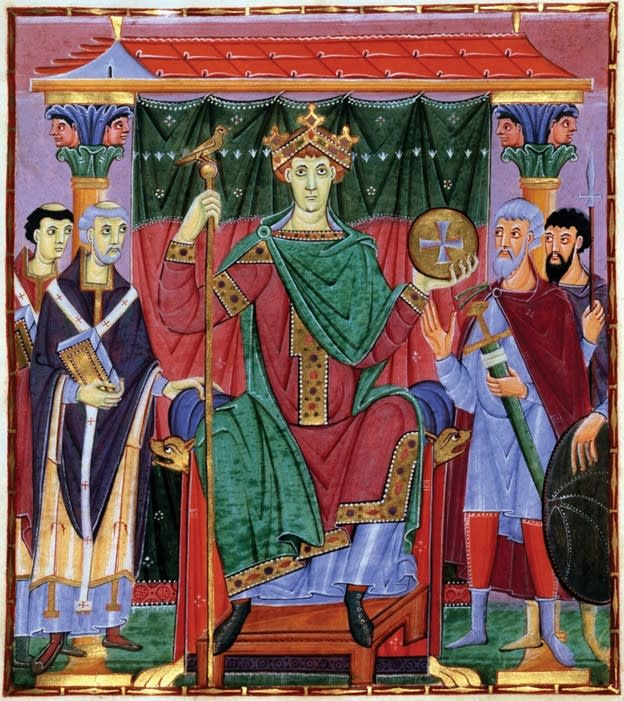
As a loyal vassal and adviser, Henry accompanied Emperor Otto III on his campaigns. He proved himself a decisive leader during the unrest in Rome in 1001, when, despite sickness within the army and growing dissatisfaction among the nobility, he remained one of the emperor’s principal supporters.
However, the sudden death of the young Otto III on 24 January 1002 changed everything. Upon learning of the tragedy, Henry hurried to meet the funeral procession at Polling and decisively seized the imperial insignia, the symbols of legitimate authority.
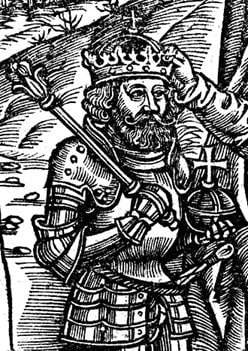
The struggle for the throne was fierce. Henry faced several powerful rivals: Margrave Eckard of Meissen, Count Palatine Ezzo, and Duke Herman II of Swabia.
The situation changed dramatically after the mysterious murder of Eckard of Meissen at Pöhlde in April 1002, which allowed Henry to win over the Saxon nobility.
On 7 June 1002, Archbishop Willigis crowned him in Mainz. Because Aachen was occupied by his rival Herman of Swabia, traditional procedure had to be abandoned. Henry then spent another seven months using both force and diplomacy to compel the empire to recognize his authority, completing the process with another coronation at Aachen on 8 September 1002.
Almost immediately after securing the throne, Henry II faced the most serious threat of his reign: the ambitions of the Polish ruler Bolesław I the Brave.
Taking advantage of political turmoil within the empire, Bolesław seized Lusatian territories and Meissen. An attempted reconciliation at Merseburg in 1002 ended in scandal and an attempt on the Polish ruler’s life, after which an exhausting war began that would last for almost sixteen years.
Henry took an unprecedented step that was deeply unpopular among the clergy: he formed a military alliance with the pagan Liutizi and Redarii tribes in order to attack Poland together.
Campaign followed campaign.
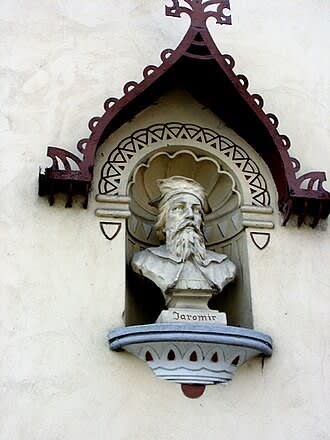
In 1004, Henry launched a rapid expedition into Bohemia, captured Prague, and placed the loyal Jaromír on the throne.
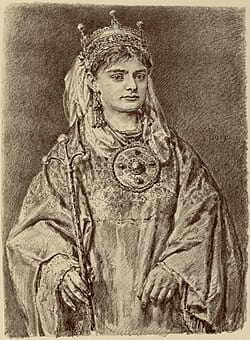
In 1005, Henry besieged Poznań. The campaign ended with a temporary peace, which Bolesław violated only two years later.
Between 1010 and 1015, a series of bloody battles and sieges took place, including those at Bautzen and Krossen, with success shifting repeatedly from one side to the other.
Even the marriage of Bolesław’s son, Mieszko, to the emperor’s niece Richeza failed to end the hostility. Bolesław openly ignored Henry’s demands that he participate in the Italian campaigns, effectively refusing to recognize his imperial authority.
Only in 1018, after both sides had become exhausted by years of warfare, was the Peace of Bautzen signed. Under its terms, Bolesław retained the disputed territories of Lusatia, which many contemporaries interpreted as a defeat for Henry.
Nevertheless, the treaty finally brought peace to the eastern frontier, allowing the emperor to concentrate on internal reforms and on strengthening the ecclesiastical foundations of imperial authority.
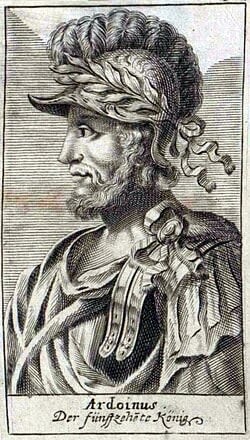
Unlike his visionary predecessor Otto III, Henry II was a stern realist. His policy was based not on dreams of reviving ancient Rome, but on strengthening specific borders and institutions of power within the German Reich.
His was the path of an “iron king,” for whom the crown represented not only divine favor but also the heavy burden of political responsibility.
While Henry was pacifying the eastern frontier, separatist tendencies were growing in Italy. On 15 February 1002, the Italian nobility, unwilling to submit to German domination, elected Margrave Arduin of Ivrea as their king.
Henry responded in 1004. At the request of loyal bishops, he launched his first Italian campaign. After skillfully forcing his way through the blocked Verona Pass, Henry compelled Arduin to flee.
On 14 May 1004, in the Church of San Michele in Pavia, Henry was proclaimed King of Italy, and on the following day he was crowned with the legendary Iron Crown of the Lombards.
The triumph, however, was stained with blood.
On the very day of the coronation, a violent uprising erupted in Pavia. The city turned into a battlefield. Amid widespread fires, Pavia was almost completely destroyed, German troops plundered the city, and Henry’s brother-in-law Giselbert was mortally wounded.
After withdrawing to the Monastery of St. Peter, Henry received a delegation of repentant townspeople and imposed a harsh condition upon them: the city and the royal residence had to be rebuilt.
Despite his success, Henry did not continue to Rome in search of the imperial title. Instead, he chose to return home and restore order in Germany first.
The period from 1006 to 1012 became a time of complicated diplomatic maneuvering for Henry in the west.
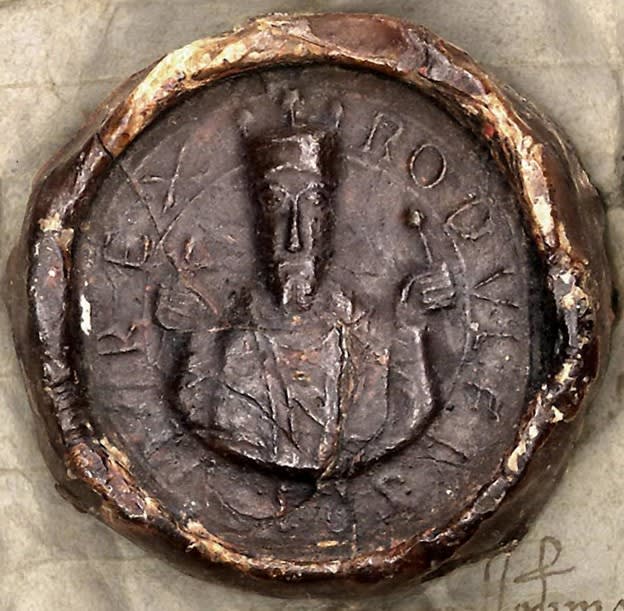
In 1006, he met his uncle, King Rudolf III of Burgundy. This meeting laid the foundations for the future incorporation of the Burgundian lands into the empire, since the childless Rudolf regarded his nephew as a possible heir.
In 1007, Henry was forced to subdue Count Baldwin of Flanders by military means, capturing Ghent and Valenciennes.
One of the most painful challenges came from the brothers of Henry’s own wife, Cunigunde.
In 1008, her brother Adalbert seized the position of Archbishop of Trier without royal approval. Henry, who preferred the more experienced Meingaud for the office, openly confronted his wife’s family.
The siege of Trier lasted sixteen weeks.
The betrayal of another of Cunigunde’s brothers, Henry V of Bavaria, who helped the rebels escape, led the king to strip him of his duchy.
Only by 1012, after a series of destructive campaigns and carefully negotiated agreements—including an alliance with Count Palatine Ezzo—did Henry succeed in breaking the resistance of the Luxembourg family and restoring peace.
After suppressing the rebellion, Henry launched his second Italian campaign in 1013, which became the culmination of almost a decade of preparation for the imperial coronation.
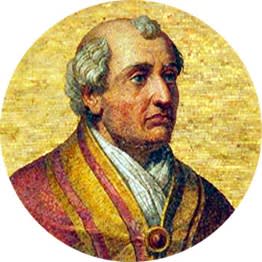
By this time, several popes had come and gone in Rome, many of them under the domination of the influential Crescentii family. The situation changed with the accession of Benedict VIII, who sought Henry’s protection.
On 14 February 1014, a major event took place: Benedict VIII crowned Henry and Cunigunde emperor and empress in St. Peter’s Basilica.
It is believed that, at Henry’s insistence, the Filioque was formally introduced into the Roman liturgy on that day, constituting an important doctrinal addition to the Creed.
The campaign was brief but significant. Henry finally drove Arduin of Ivrea from power, and Arduin soon died in a monastery in 1015.
By 1020, the shadow of Byzantium loomed over Italy.
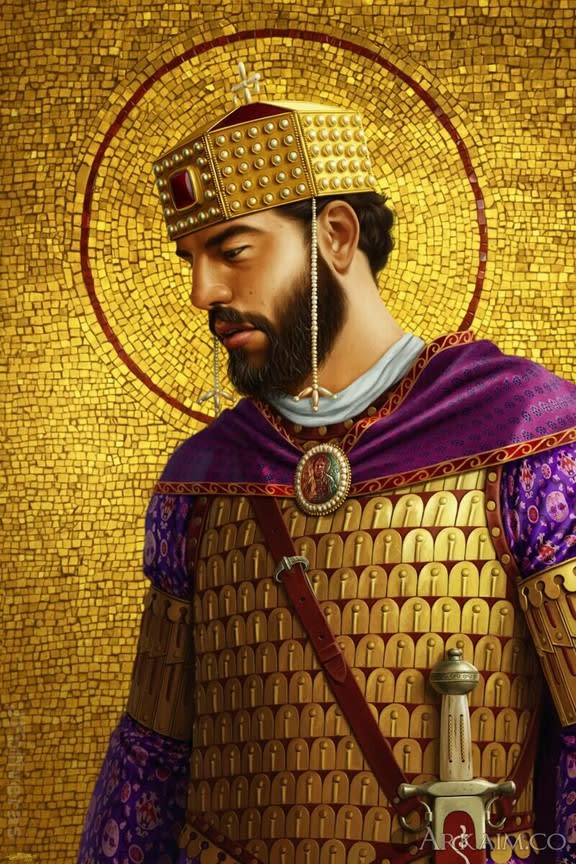
Emperor Basil II was strengthening Byzantine positions in the south of the peninsula, threatening Rome itself. Pope Benedict VIII took an unprecedented step: he personally crossed the Alps and travelled to Bamberg to ask Henry for assistance.
There, the emperor also received the rebellious Apulian leader Melo of Bari, who presented him with the magnificent Star Mantle, a symbol of universal rule.
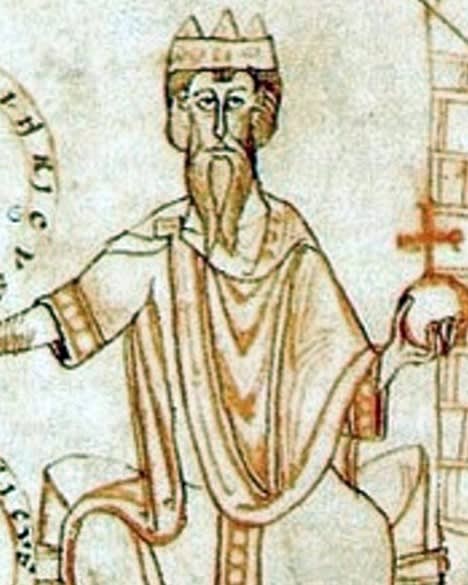
In the autumn of 1021, Henry launched a large-scale third Italian campaign.
He divided his army into three columns in order to cover the entire south. The key event was the two-month siege of the powerful Byzantine fortress of Troia in 1022.
Henry showed mercy by accepting the city’s surrender without bloodshed.
Although his successes in Apulia proved temporary because disease spread through the army, imperial prestige was restored, and the Lombard principalities of southern Italy once again recognized the supremacy of the Reich.
Henry devoted the final years of his life to ecclesiastical and legal reform.
He sought to create a unified criminal code for monasteries and bishoprics, anticipating ideas of greater political and legal unity. He was not destined, however, to complete this work.
On 13 July 1024, the emperor died at Grone.
In accordance with his wishes, his body was transported to his beloved foundation, Bamberg, and buried in the cathedral there.
Cunigunde demonstrated considerable political ability by maintaining authority as regent until September 1024, when Conrad II of the Salian dynasty succeeded to the throne.
Henry II entered history under the motto Renovatio regni Francorum — “Renewal of the Kingdom of the Franks.”
He replaced the imperial universalism of the Ottonians with a pragmatic defense of the interests of his kingdom. His relationship with the Church was distinctive: he effectively transformed the episcopate into one of the principal pillars of the state apparatus, placing part of the burden of government upon the bishops.
The foundation of the Bishopric of Bamberg in 1007 became his greatest monument, transforming the city into an important spiritual and cultural center of Europe.
His canonization in 1146 by Pope Eugene III was recognition not only of his personal piety, but also of his efforts to establish a Christian political order in the heart of Europe.
The concluding chapter of Henry II’s life reveals him not merely as a warrior and diplomat, but also as a deeply religious reformer who reshaped the foundations of German statehood.
Here we see a ruler who rejected dreams of the ancient glory of Rome in favor of establishing a durable foundation for a “Kingdom of the Franks,” in which royal authority rested upon the support and prestige of the Church rather than upon the ambitions of unruly dukes.
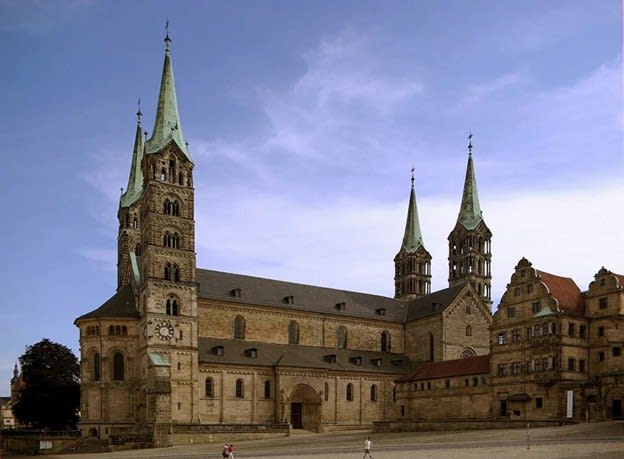
By the end of the tenth century, under Henry’s predecessors, the power of the dukes in the southern regions of the empire had reached almost royal proportions.
Swabia and Bavaria claimed an exceptional role in government, while tribal fragmentation threatened to transform the Reich into a loose confederation.
Upon ascending the throne, Henry II pursued a different objective: the creation of a unified and centralized state.
Unlike Otto I, who had sought to surround the throne with members of his own family, Henry deliberately distanced himself from close dynastic ties with the great aristocracy.
He handled landed possessions more freely than any of his predecessors, decisively punishing rebels and suppressing attempts by nobles to act independently.
Modern historians such as Gerd Althoff emphasize that Henry II did not possess the same degree of “mercy” that had characterized his predecessors.
He was a hard and uncompromising politician whose actions in Bavaria and Swabia provoked years of conflict, but ultimately contributed to the strengthening of centralized royal authority.


