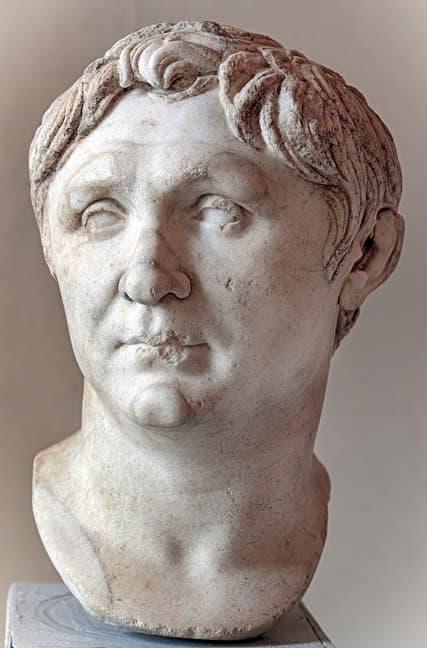
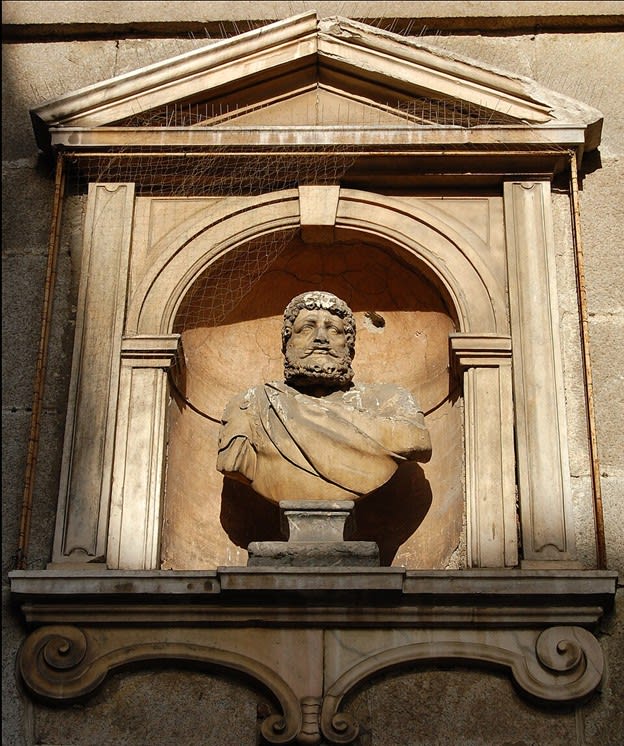
The story of Gnaeus Pompey begins on September 29, 106 BC — a date that historians have established with remarkable precision thanks to the fact that, in the future, both his greatest triumph and his tragic death would fall on that same day. Unlike many ancient patrician families, the Pompeii were “new men” in the highest circles of Roman politics. Descendants of a plebeian family from Picenum on the Adriatic coast, they carried in their name echoes of the Oscan language — where the root pompe meant “five” — and possibly even Etruscan influence.
Although their family did not possess a centuries-long history of consulships, Gnaeus’s father, Gnaeus Pompeius Strabo, managed to force his way to power, becoming consul in 89 BC. It was in his father’s military camp, in the midst of the bloody Social War, that young Gnaeus received his “education.” As a contubernalis, he learned the art of war during the siege of Asculum, watching his father suppress the uprisings of the Marsi and Vestini. In those years, Strabo was a controversial and highly unpopular figure, which nearly cost both him and his son their lives: in 87 BC, a conspiracy arose in the army, and only thanks to Gnaeus’s eloquence and composure, with which he managed to persuade the soldiers to abandon the mutiny, did the Pompeii survive. Soon afterward, however, Strabo died — according to legend from a lightning strike, but in reality probably from an epidemic — leaving his son alone in a hostile world.
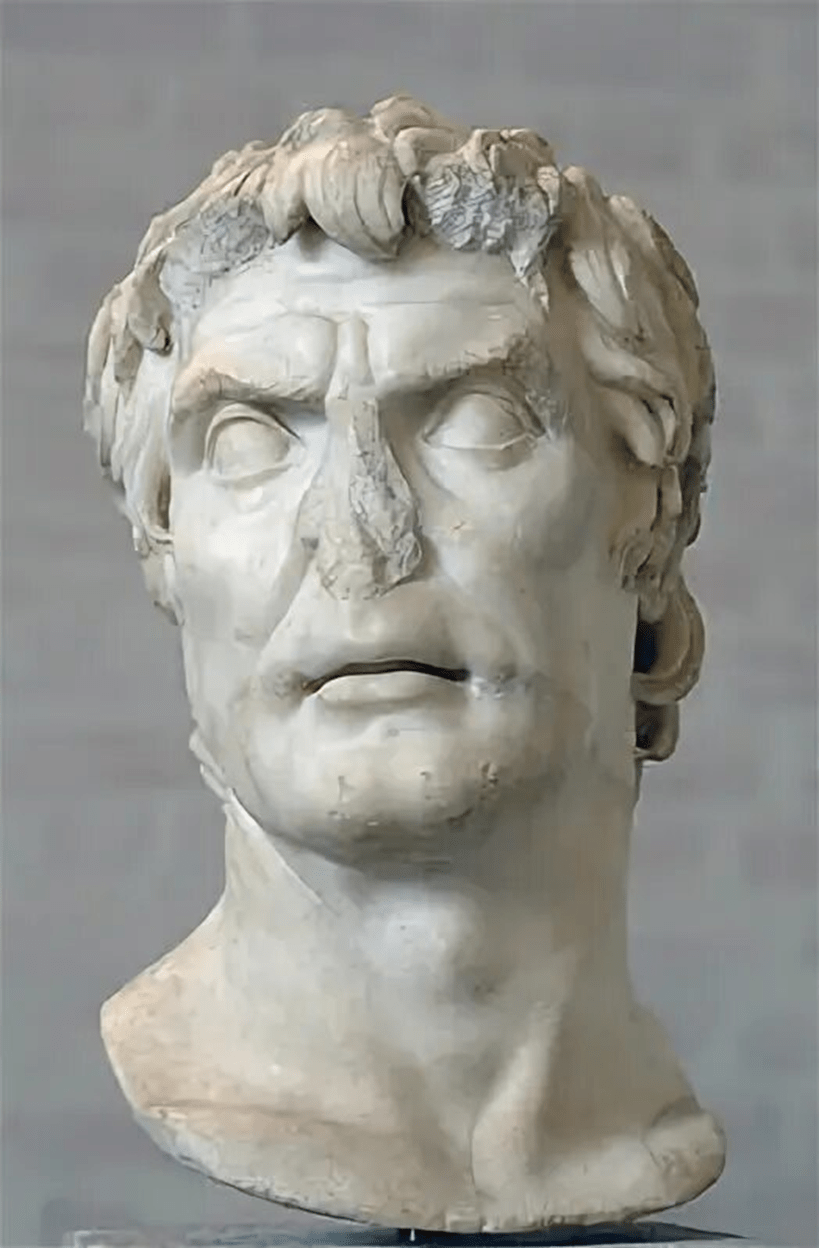
After his father’s death, the young Pompey fell into disgrace. His house was plundered, and Gnaeus himself was accused of misappropriating military booty. Salvation came from an unexpected direction: he was defended by the leading orators of the age, and the judge Publius Antistius was so impressed by the young man that he offered him his daughter in marriage. Acquittal and marriage to Antistia temporarily returned Pompey to the political current, but his true rise was connected with the sword, not the law.
When Lucius Cornelius Sulla landed in Italy in 83 BC, Pompey made a bold decision. Without any legal authority, he recruited an entire legion in his native Picenum from the veterans and clients of his father. With this private army, the twenty-three-year-old youth forced his way to Sulla, defeating Marian detachments along the route. The impressed dictator greeted him with the title “Imperator” — an unheard-of honor for a man who had held no public office. Sulla singled Gnaeus out so strongly that he even rose when Pompey appeared.
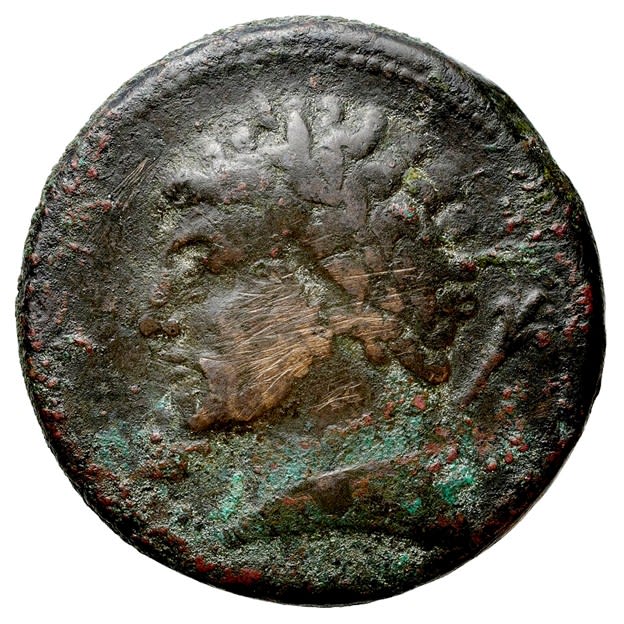
Soon Pompey became the main “punishing sword” of the Sullan regime. In 82 BC, he was sent to Sicily and then to Africa to root out the remnants of Marian resistance. It was then that he executed Gnaeus Papirius Carbo, a three-time consul of the Republic, shocking Roman society. For his ruthlessness he received the nickname “the young butcher” — adulescentulus carnifex. Yet his military successes were undeniable: the African campaign against the usurper Hiarbas was completed in only forty days. The soldiers, in ecstasy, proclaimed him “Magnus” — “the Great” — and Sulla, though with caution, was forced to officially confirm this nickname. In 81 or 79 BC, Pompey celebrated his first triumph, becoming the first equestrian in history, not yet a member of the Senate, to receive such an honor.
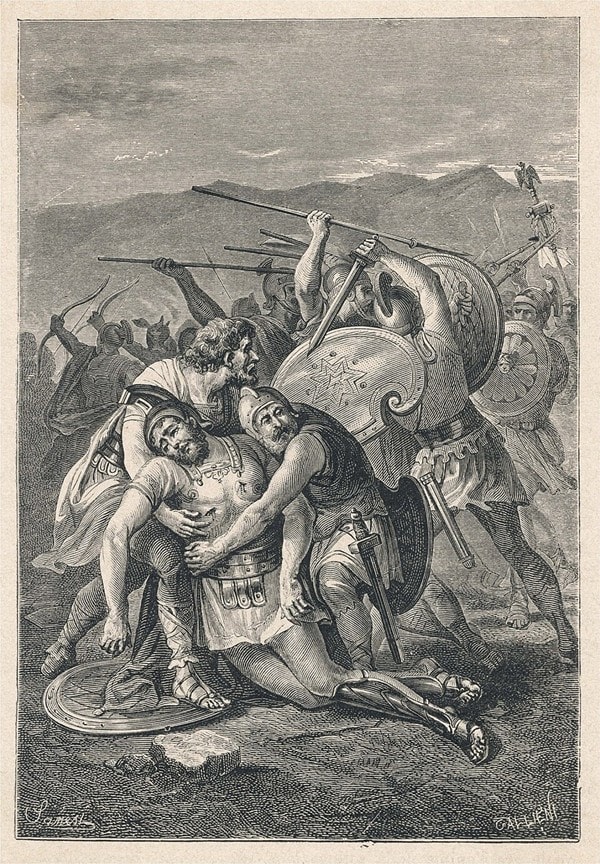
After Sulla’s death in 78 BC, Pompey again proved indispensable. After suppressing the revolt of the consul Lepidus and executing Brutus the Elder at Mutina, Gnaeus refused to disband his army. His ambitions were directed toward Spain, where Quintus Sertorius had created what was effectively an independent state and challenged Rome. The Senate, having no other choice, granted Pompey proconsular authority, although he was still not a senator.
The Sertorian War became a severe test for Pompey. He faced an opponent who surpassed him in guerrilla tactics and knowledge of the terrain. Pompey suffered defeat at Lauron and was wounded at the Battle of Sucro, barely escaping with his life. At one point he was so desperate that he sent a letter to the Senate threatening that, if money and reinforcements were not sent, the war would move to Italy. Only after Sertorius was treacherously murdered by his own associates in 73 BC was Pompey able to quickly defeat the demoralized forces of Perperna. True to his style, Gnaeus burned Sertorius’s correspondence so as not to inflame new conflicts in Rome, and executed Perperna.
Returning from Spain in 71 BC, Pompey managed to “put the final point” on Spartacus’s revolt by intercepting the remnants of the slave army already defeated by Crassus. Although Crassus had done the main work, Pompey declared that he had torn the rebellion out by the roots. This led to strained relations between the two leaders, but for the people Gnaeus was an absolute idol.
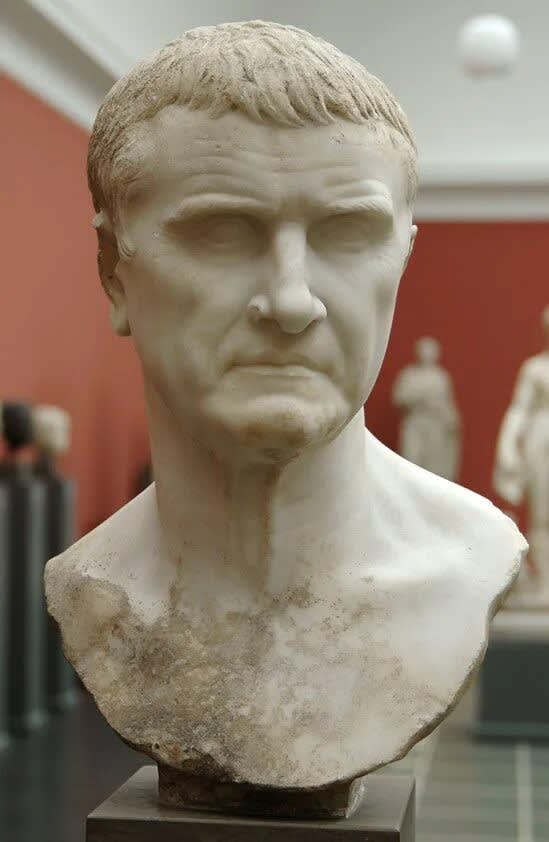
In 70 BC, Pompey, again bypassing all the laws of the cursus honorum, was elected consul together with Crassus. His consulship marked a radical reversal: Pompey, who had himself risen thanks to Sulla, destroyed the main pillars of the Sullan constitution. He restored the power of the people’s tribunes and reformed the courts, limiting senatorial influence. After carrying out a purge of the Senate through the censors, Gnaeus temporarily withdrew from public affairs — but only in order to return with even greater force.
By 67 BC, the Mediterranean was suffocating under the dominance of Cilician pirates. Rome was starving because of interruptions in the grain supply. In this critical situation, the tribune Aulus Gabinius proposed a law granting Pompey unprecedented powers. The commander received authority over the entire sea and the coastal belt eighty kilometers inland for three years, an enormous treasury, and a fleet of 500 ships.

The Senate was horrified by such a concentration of power in one man’s hands, but the people voted in favor. Pompey divided the Mediterranean into thirteen sectors, appointing loyal legates to each. What Rome had failed to do for decades, Pompey accomplished in three months. In forty days he cleared the western part of the sea, and then, in the decisive battle at Coracesium, crushed the main pirate forces. Instead of mass executions, Gnaeus showed wisdom: he settled the former pirates on fertile lands in Asia, turning them from enemies into loyal subjects.
After this brilliant victory, Pompey the Great became the most powerful man in the Roman world, and his gaze already turned to the East, where Mithridates VI was once again challenging the Roman Republic.
By 66 BC, Roman affairs in the East had reached a dead end. Lucius Licinius Lucullus, a brilliant but excessively strict commander, had failed to finish off Mithridates VI and his ally Tigranes of Armenia because of a mutiny among his own soldiers. At that time Gnaeus Pompey, having just triumphantly cleared the sea of pirates, was in Cilicia. His influence was so great that the tribune Gaius Manilius proposed a bill granting Pompey unprecedented authority: command of all eastern armies and the right to declare war or conclude peace at his own discretion.
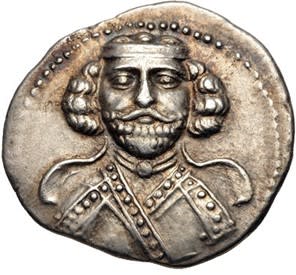
Despite fierce resistance from conservatives led by Catulus, who saw in this the establishment of tyranny, the law was passed with the support of rising stars — Cicero and Caesar. Pompey, hypocritically lamenting the “heavy burden” of his new power, immediately set to work. Gathering under his command a colossal force of 50,000 soldiers, he first deprived Mithridates of allies by concluding a pact with the Parthian king Phraates III.
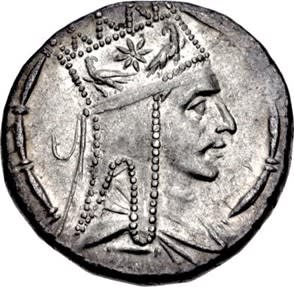
The decisive clash took place near the city of Nicopolis. The Pontic army was crushed, and Mithridates himself, betrayed by everyone, fled to Colchis. Pompey did not pursue him into the wild mountains, but turned his gaze toward Armenia. King Tigranes II, seeing the power of Rome, performed an act of supreme humility: he came to Pompey’s camp and removed his tiara before him. Gnaeus showed the wisdom of a Hellenistic monarch — he left Tigranes on the throne in exchange for an enormous indemnity and the renunciation of all conquests, making Armenia a “friend and ally of the Roman people.”
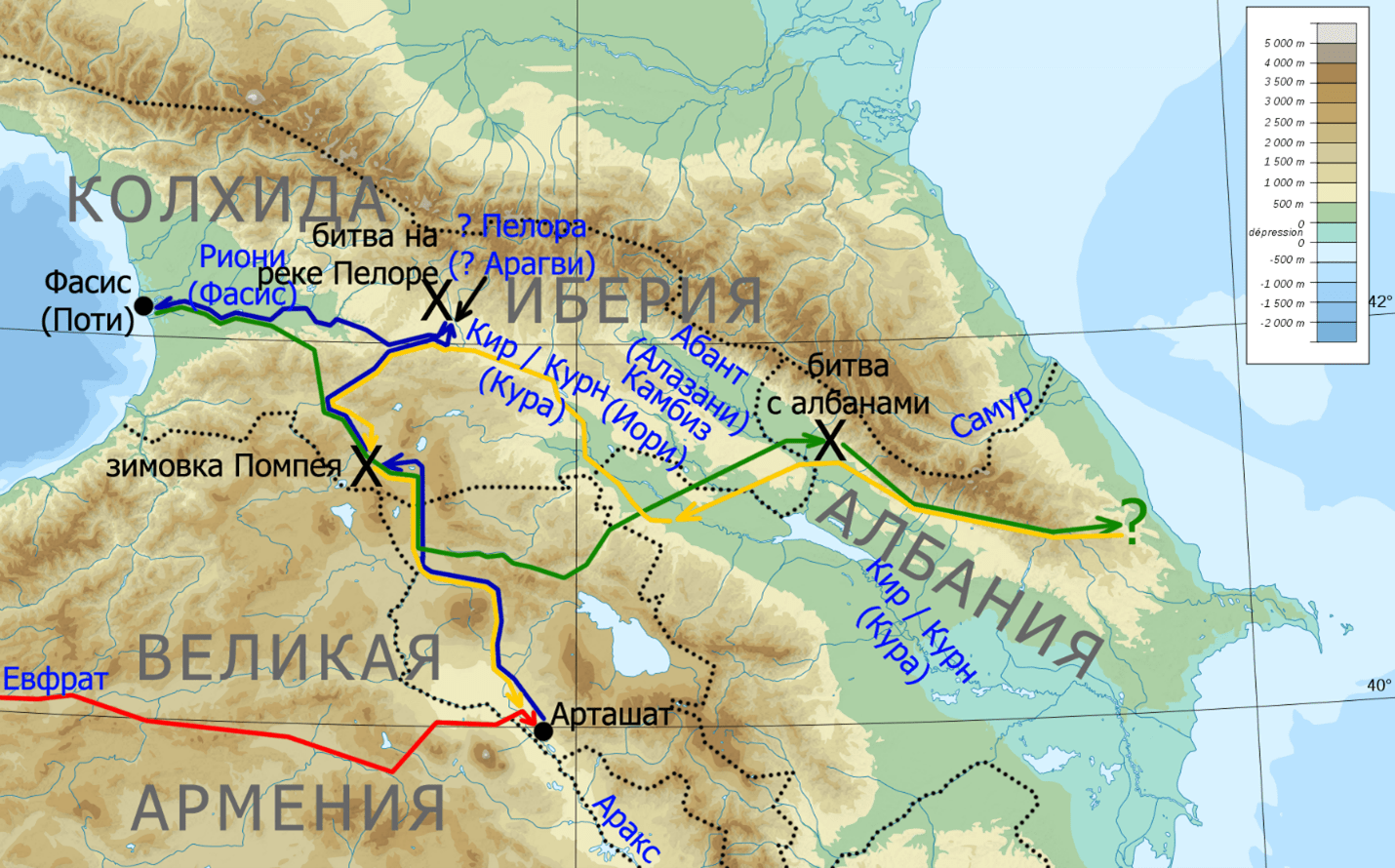
Pompey thirsted for glory surpassing the achievements of any Roman. In 66–64 BC, he undertook a daring campaign northward, into the lands of the Iberians and Albanians, where no Roman legionary had set foot before. This was not merely a war, but a scientific expedition: Gnaeus was accompanied by scholars who described the flora, fauna, and geography of the Caucasus.
In the winter of 66, during the festival of Saturnalia, the Albanians attacked the Romans but were defeated. Then came the turn of the Iberian king Artoces. The Romans forced the crossing of the Cyrus River, defeated the Iberians at the River Pelorus, and compelled the king to hand over his children as hostages. Pompey reached the Phasis, modern Poti, establishing a blockade of the Bosporus, where Mithridates was hiding. Pursuing his dream of the Caspian Sea and trade routes to India, Pompey defeated the 60,000-strong army of the Albanian king Oroeses at the River Abas. Legends claimed that Amazons fought on the Albanian side in that battle. Only the difficulty of the route forced the “Roman Alexander” to turn back when he was three days’ march from the Caspian.
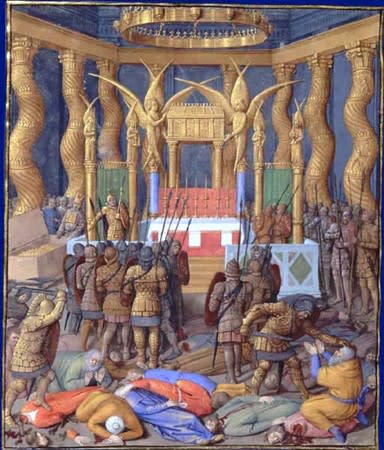
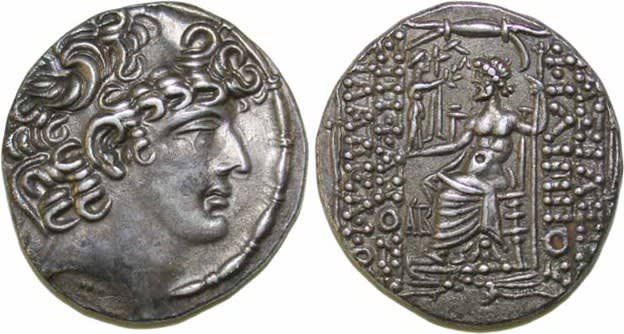
In 64 BC, Pompey ended the once-great Seleucid state without firing a shot, turning Syria into a Roman province. He then intervened in the Jewish civil conflict between the brothers Hyrcanus and Aristobulus II. When the supporters of Aristobulus locked themselves on the Temple Mount in Jerusalem, Pompey began a three-month siege. Taking advantage of the fact that the Jews did not conduct active operations on the Sabbath, the Romans built siege ramps and captured the fortress.
Pompey committed an act that shocked the eastern world: he entered the Holy of Holies of the Jerusalem Temple, where only the high priest had the right to enter. To Gnaeus’s surprise, he found no idols there — only emptiness. Showing restraint, he did not touch the temple treasures, but from that moment Judea became a dependent territory. Soon news came from Panticapaeum: Rome’s great enemy Mithridates VI had killed himself after a revolt by his son Pharnaces. His body was sent to Pompey, who ordered him to be buried with royal honors in Sinope. The war was over.
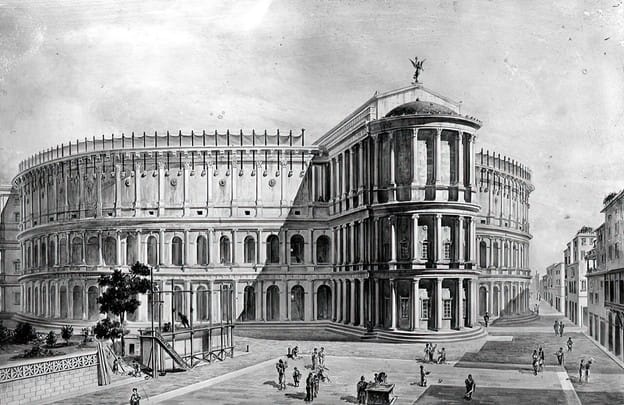
In 62 BC, Rome trembled with fear: Pompey was returning from the East with an undefeated army. Everyone expected a new dictatorship in the style of Sulla. Yet Gnaeus, to general astonishment, disbanded his troops at Brundisium and appeared before his fellow citizens as a private man. His Third Triumph, in September 61 BC, was magnificent: before his chariot were carried tablets bearing the names of conquered peoples — from the Caucasus to Arabia. Pompey appeared as the conqueror of the inhabited world, celebrating victories over three parts of the world: Africa, Europe, and Asia. On the Campus Martius he laid the foundations of Rome’s first stone theater, seating 12,000 people, and adorned it with a temple of Venus Victrix.

In politics, however, Pompey was less successful than on the battlefield. The senatorial elite, led by Cato, blocked the ratification of his eastern settlements and the distribution of land to his veterans. At this moment Gaius Julius Caesar turned to him. Thus in 60 BC arose the First Triumvirate — the secret alliance of Pompey, Caesar, and Crassus. The alliance was sealed by Pompey’s marriage to Caesar’s daughter Julia, whom Gnaeus sincerely loved.

The 50s became for Pompey a time of struggle for influence. In 58, the demagogue Clodius effectively drove the commander into his own house, threatening murder. Pompey had to restore his position through the administration of the grain supply — the cura annonae. In 56, the triumvirs renewed their alliance at Luca, after which Pompey and Crassus became consuls for 55. However, Julia’s death in 54 and Crassus’s death in Parthia in 53 destroyed the fragile balance.
In 52 BC, Rome sank into chaos after the murder of Clodius. Seeing no other solution, the Senate appointed Pompey “sole consul,” with dictatorial powers. He restored order with an iron hand, limiting corruption and violence in the courts. Gnaeus married Cornelia Metella, drawing closer to the party of the optimates.
By 50 BC, the break with Caesar had become inevitable. Pompey, encouraged by popular affection after recovering from a serious illness in Neapolis, arrogantly declared: “I need only stamp my foot, and legions will appear anywhere in Italy.” Yet when Caesar crossed the Rubicon on January 10, 49 BC, it turned out that Pompey was not ready.
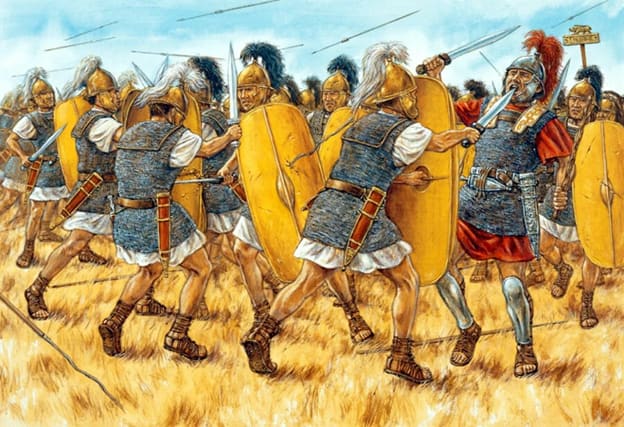
Pompey made the strategic decision to abandon Rome and Italy, evacuating the Senate to Greece from Brundisium. He counted on the enormous resources of the East and on his fleet. At the Battle of Dyrrhachium he nearly defeated Caesar, but did not dare launch the final assault. The fatal mistake came on August 9, 48 BC, at Pharsalus. Yielding to the pressure of senators hungry for a quick victory, Pompey entered a pitched battle and suffered a crushing defeat.
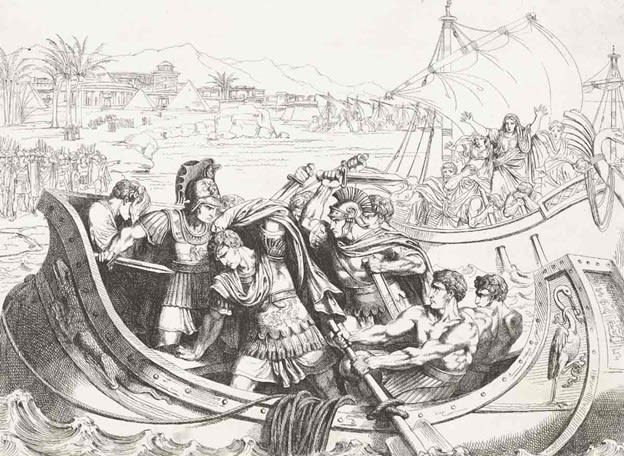
His flight brought him to the shores of Egypt, where he hoped for the help of the young king Ptolemy XIII. But the king’s advisers, fearing Caesar’s anger, decided to murder the guest. On September 28 or 29, 48 BC, on his birthday, Gnaeus Pompey the Great stepped into a small boat. Before the eyes of his wife and friends, his former comrade Lucius Septimius stabbed the commander in the back. Pompey silently covered his face with his toga and accepted death. His head was presented to Caesar, who, seeing the remains of his former friend and enemy, could not hold back tears. The great Pompey, conqueror of three continents, found his final resting place in a humble pyre made from the wreckage of an old boat on the deserted shore of Pelusium.


