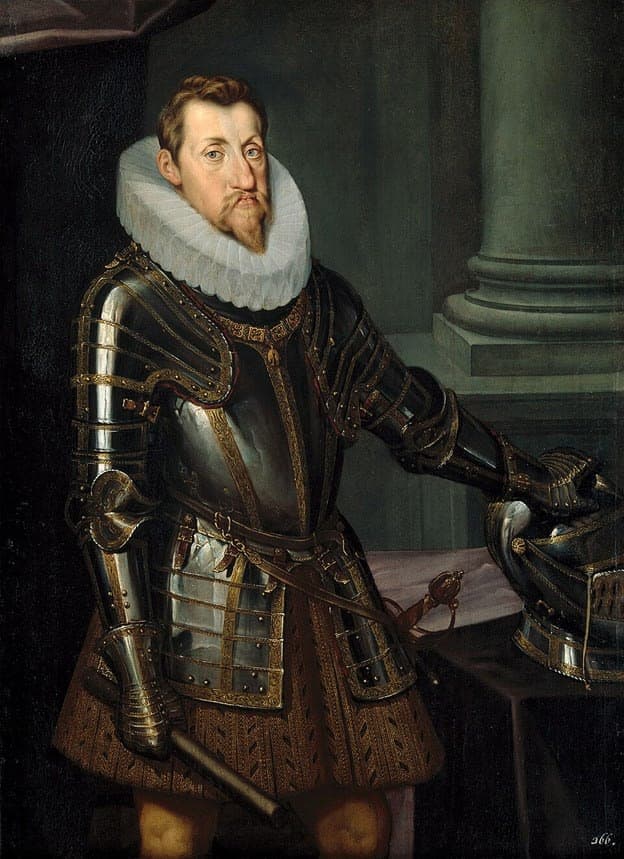
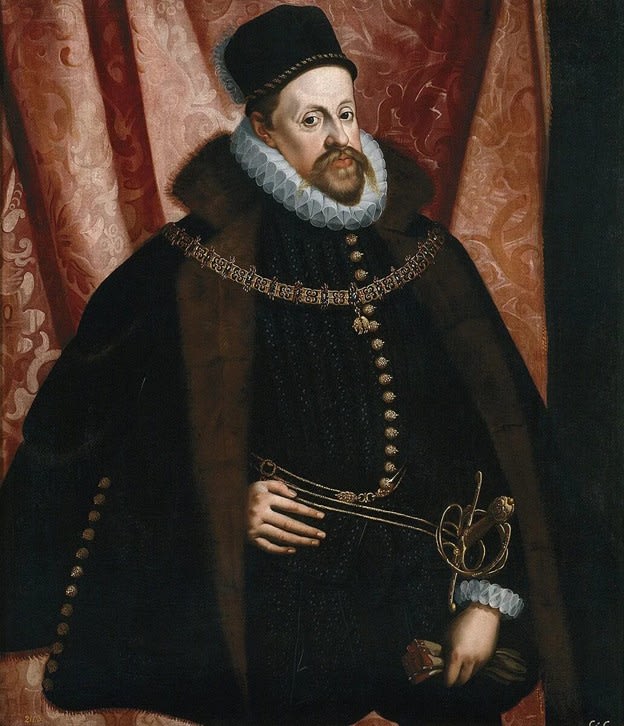
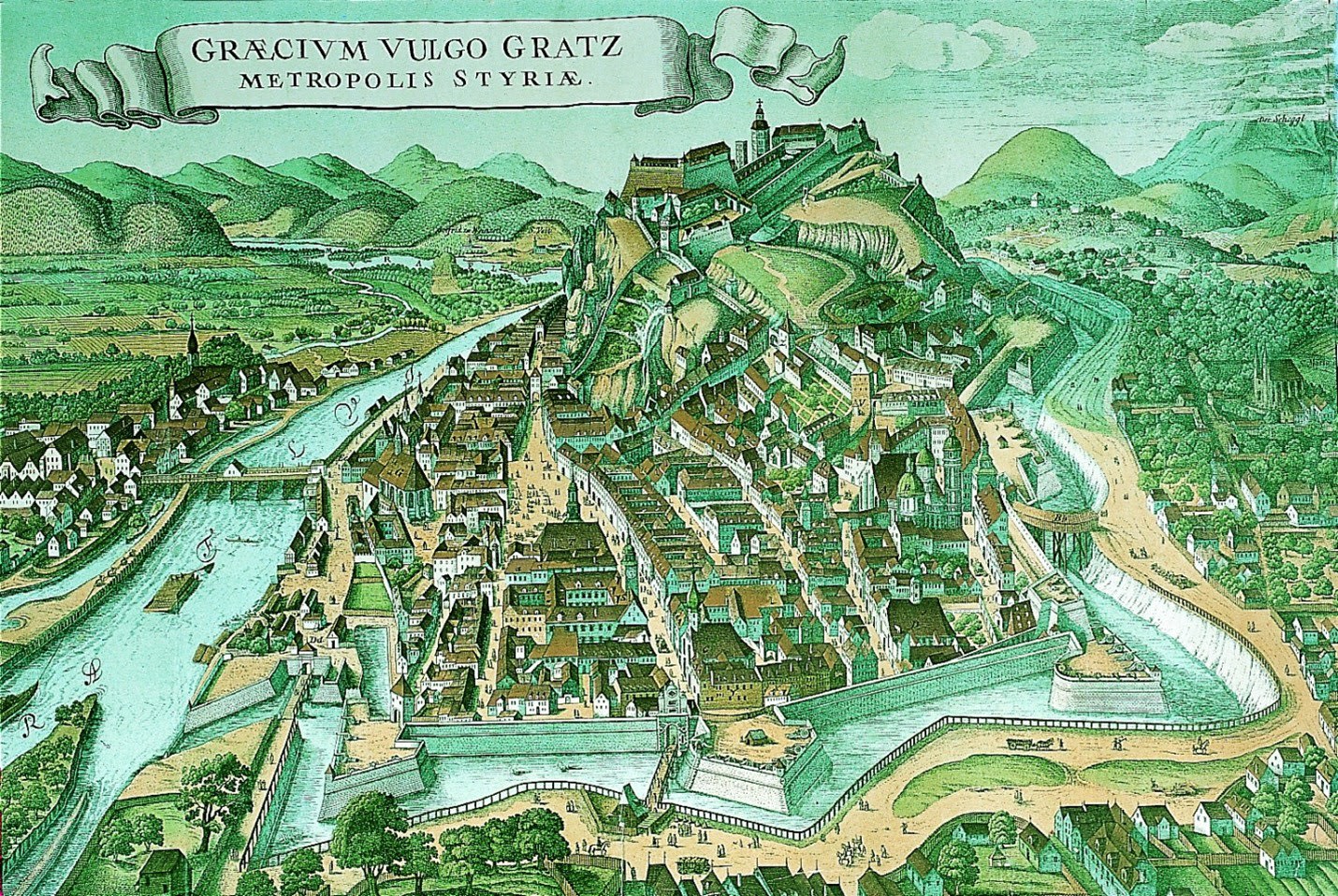
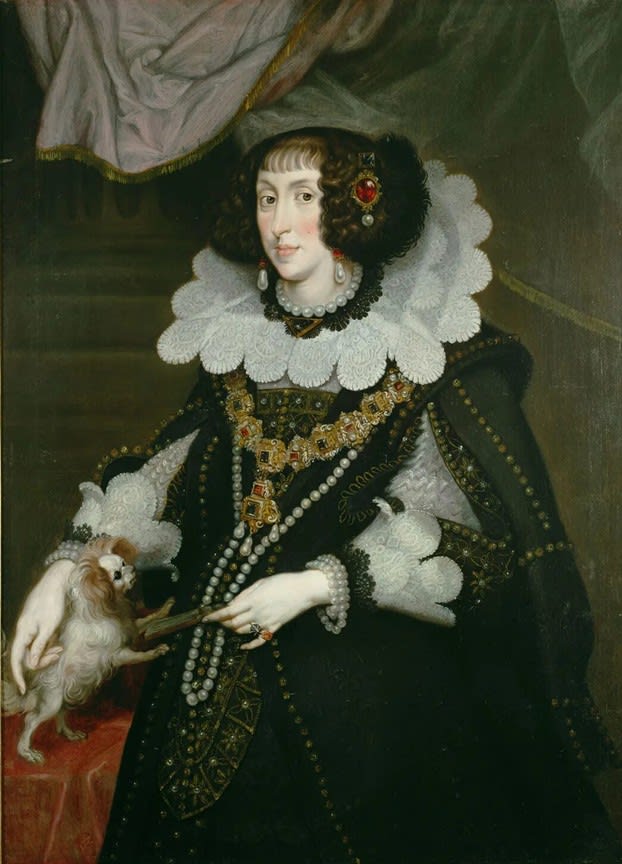
The future Holy Roman Emperor Ferdinand II was born on July 9, 1578, at Schlossberg Castle, towering above the city of Graz. His father was Archduke Charles II of Austria, and his mother was Maria of Bavaria. Charles II, the younger son of Emperor Ferdinand I, had ruled the extensive territories of Inner Austria since 1564, including Styria, Carinthia, Carniola, Gorizia, Fiume, Trieste, as well as parts of Istria and Friuli. Ferdinand’s parents’ marriage was political in nature: Maria of Bavaria was the daughter of Duke Albert V of Bavaria and Anna, Charles II’s own sister. Thus, Charles married his own niece. Nevertheless, this union played an important role in bringing together two powerful Catholic dynasties of the Holy Roman Empire.

Despite his deep and sincere devotion to the Catholic faith, Charles II was forced to make compromises. In 1572 and 1578, he had to make concessions to his Lutheran subjects. This was a harsh necessity: creating an effective defense system against the constantly threatening Ottoman Empire required considerable financial assistance, and its main sources were predominantly Protestant nobles and townspeople.
The education of young Ferdinand was initially supervised by his mother, a woman of strict Catholic convictions. At the age of eight, he was sent to a Jesuit school in Graz, where the foundations of his worldview were laid. At eleven, a separate court was established for the boy, emphasizing his high status. To completely shield their son from the influence of the Styrian Lutheran nobility, his parents decided to send him for further education to Bavaria, to the prestigious Jesuit college in Ingolstadt.
At the beginning of 1590, before leaving his native Graz, young Ferdinand chose a motto that would define his later life. It was a saying of the Apostle Paul: “The crown is awarded to those who fight according to the rules.” In Bavaria, supervision of his education and upbringing was assumed by his maternal uncle, Duke William V of Bavaria.
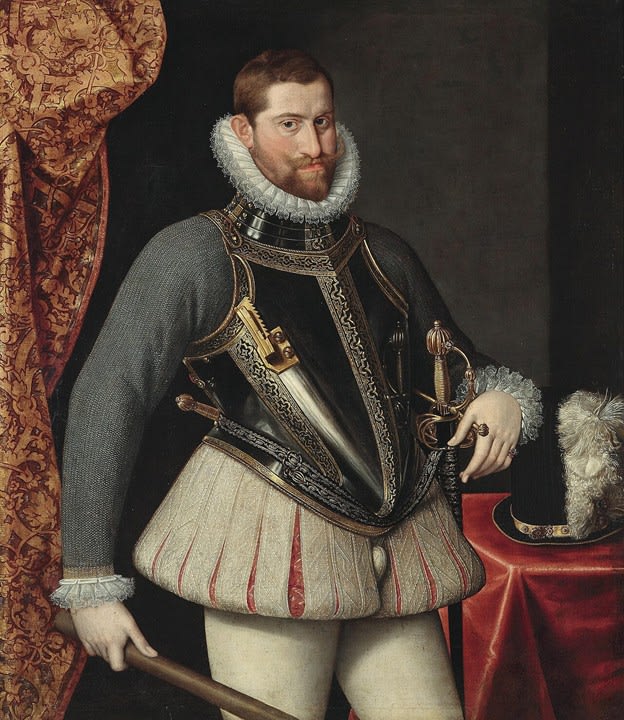
On July 10, 1590, Charles II died suddenly. Before his death, he appointed as guardians of his twelve-year-old son his wife Maria, his brother Archduke Ferdinand II of Austria, his nephew—the reigning Holy Roman Emperor Rudolf II—and William V.
Maria and William made every effort to secure the regency over Inner Austria for her. Rudolf II, however, as the undisputed head of the House of Habsburg, decided otherwise. He appointed his own brothers as regents: Ernst in 1592 and Maximilian III in 1593. Meanwhile, the Estates of Inner Austria, eager to see their legitimate ruler, repeatedly urged the emperor to bring Ferdinand back from Bavaria. Maria firmly opposed this, believing that her son needed to complete his education.
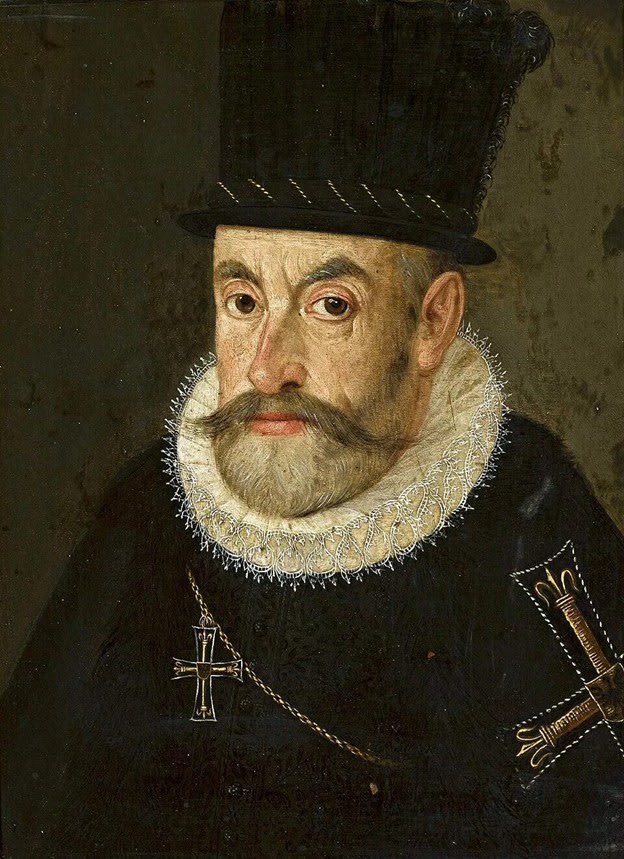
Ferdinand remained at the Jesuit university. Remarkably, he and his cousin Maximilian I of Bavaria on his mother’s side were the only future European monarchs of the late sixteenth century to receive a full university education. Ferdinand was a diligent student and attended classes regularly, although poor health often forced him to interrupt his studies and remain in his chambers. His years in Ingolstadt further strengthened his faith: he zealously attended Sunday and feast-day Masses and made pilgrimages to revered Bavarian shrines.
His education ended on December 21, 1594. Rudolf II did not grant Ferdinand permission to return to Graz until two months later. Before departing for his homeland, the young archduke solemnly vowed always to support the university and the Jesuit order. After his return, Maximilian III resigned as regent, and the emperor entrusted the seventeen-year-old Ferdinand with independent rule over his hereditary territories.
Upon assuming power, Ferdinand surrounded himself with loyal men. He chose the Jesuit Bartholomew Viller as his confessor. One of the most trusted figures at his court became Hans Ulrich von Eggenberg, a burgher of Graz who had converted to Catholicism. After returning to Graz, Ferdinand was deeply shocked by the weakness of Catholicism in the capital of his territories. He was particularly disturbed during Easter Mass when it became apparent that only members of his family and a small circle of his closest courtiers had received Communion.
At the end of 1596, Ferdinand came of age, and in December of that year he was formally confirmed as the full ruler of Styria. In his first dealings with the Estates, he demonstrated political flexibility. Avoiding sharp religious disputes, he skillfully exploited their fear of a possible Ottoman invasion and of peasant unrest in Upper Austria. At the beginning of the following year, representatives of the other lands of Inner Austria formally swore allegiance to him. Ferdinand did not dismantle the traditional system of government, but he rigidly adhered to one principle: only Catholics were appointed to the highest offices of state.
Having consolidated his position, Ferdinand traveled with his mother to Prague to meet Emperor Rudolf II. There he openly declared his firm intention to strengthen the position of the Catholic Church in his territories. Although the emperor’s advisers acknowledged Ferdinand’s right to settle religious matters in his own lands, they strongly advised him to proceed cautiously and avoid provoking his Protestant subjects into open conflict. Rudolf II also entrusted the young ruler with a crucial task: defending Croatia, Slovenia, and the southeastern frontiers of Royal Hungary from the Ottoman threat. Ferdinand took the assignment seriously, inspecting Nagykanizsa, Cetin Fortress, and other border fortifications and ordering urgent repairs.
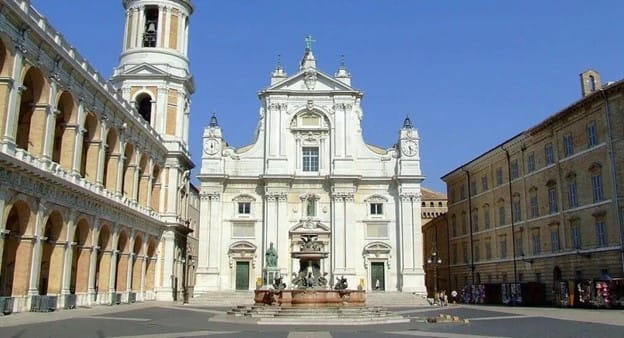
Before fully immersing himself in domestic affairs, Ferdinand undertook an unofficial journey to Italy. Leaving his mother as regent, he departed Graz on April 22, 1598. In early May, he met Pope Clement VIII in Ferrara. Ferdinand shared with the pontiff his radical plan to expel all Protestants from Inner Austria. The pope, however, did not support such harsh measures. Continuing his journey, Ferdinand visited the famous Holy House of Loreto. According to his first biographer, the Jesuit confessor Wilhelm Lamormaini, it was at this shrine that Ferdinand solemnly vowed to restore the supremacy of Catholicism in his territories at any cost.
Ferdinand’s return to Graz on June 20, 1598, caused alarm among the city’s Protestant population. The famous astronomer Johannes Kepler, who was then living in Graz, noted this tension. Even before his journey to Italy, Ferdinand had attempted to appoint Catholic priests to churches in towns where the overwhelming majority of the population was Lutheran, but these efforts had failed.
The situation escalated when Lorenz Sonnabenter, a former Jesuit student whom Ferdinand had appointed to a parish in Graz, filed an official complaint on August 22. He accused local Lutheran pastors of unlawfully interfering in his activities. Ferdinand’s mother and his Jesuit confessor strongly urged the young ruler to take decisive action.
On September 13, Ferdinand struck a crushing blow: he issued an edict expelling all Protestant pastors and teachers from Styria, Carinthia, and Carniola. He justified his decision by declaring that he was “the chief overseer of all ecclesiastical institutions in his hereditary lands.” Protestant nobles and townsmen attempted to challenge the edict, but Ferdinand firmly declared that religious matters did not fall within the jurisdiction of the Estates.
To suppress possible resistance, he brought Italian and Spanish mercenaries into Graz. The display of force had its intended effect: on September 29, the leaders of the Protestant community were forced to leave Graz without serious disorder. Ferdinand then prohibited the Estates of Styria, Carinthia, and Carniola from holding joint assemblies. Attempts by Styrian nobles and townspeople to obtain support from Rudolf II and the Austrian Estates against their ruler were unsuccessful.
Although Ferdinand issued new decrees supporting the Catholic Church without the consent of the Estates, paradoxically they continued to provide him with the necessary financial subsidies. After dissolving the general assembly of Styria, Ferdinand wrote to its deputies explaining his views on the Counter-Reformation. He justified his harsh measures by referring to what he described as unlawful persecution of Catholics in the past and claimed that his actions were being guided by the Holy Spirit itself.
In October 1599, the Counter-Reformation became systematic. Ferdinand established special commissions consisting of a prelate and a high-ranking official. Their task was to appoint Catholic priests in every settlement. To enforce their decisions, the commissions were authorized to use military force. Arriving in towns and villages, they confronted local Protestants with a choice: conversion to Catholicism or exile, although in practice peasants were rarely permitted to leave their lands. The commissions also organized public burnings of banned books. Ferdinand did not immediately force Lutheran nobles to convert to Catholicism, but he categorically prohibited them from employing Protestant clergy, thereby depriving them of religious support.
On April 23, 1600, Ferdinand married his cousin Maria Anna of Bavaria in Graz. The marriage played an important diplomatic role by easing tensions between the Habsburg and Wittelsbach dynasties that had previously arisen over the appointment of Ferdinand’s brother, Leopold V, as Bishop of Passau.
At the same time, a serious conflict was developing within the House of Habsburg. Relations between Emperor Rudolf II, who had no heirs, and his brother Matthias were rapidly deteriorating. Fearing that Protestant electors might choose a Protestant emperor after Rudolf’s death, Matthias tried to force his brother to formally designate him as his successor. In October 1600, Matthias held a secret meeting at Schottwien with his younger brother Maximilian and Ferdinand. They agreed to present a united front and jointly appeal to the emperor. Rudolf, however, who was known for his superstition and melancholy, categorically refused to discuss the succession.
The foreign-policy situation was equally difficult. The Uskoks, Slavic refugees, carried out pirate attacks on Venetian ships, justifying their actions by claiming that Venice was cooperating with the Ottomans. The Republic of Venice demanded that Ferdinand put an end to these attacks. In 1600, Ferdinand sent an envoy to the Uskoks, but the envoy was brutally murdered.
Devastating Ottoman raids continued along the southeastern frontier. Inner Austria bore most of the financial burden of defending Croatia, Slavonia, and southwestern Hungary. Ferdinand’s financial policy was ineffective, and the most important border fortresses were chronically undersupplied. The situation became critical on October 20, 1600, when the Ottomans captured the strategically vital fortress of Nagykanizsa. The Styrian frontier was left practically open to enemy incursions.
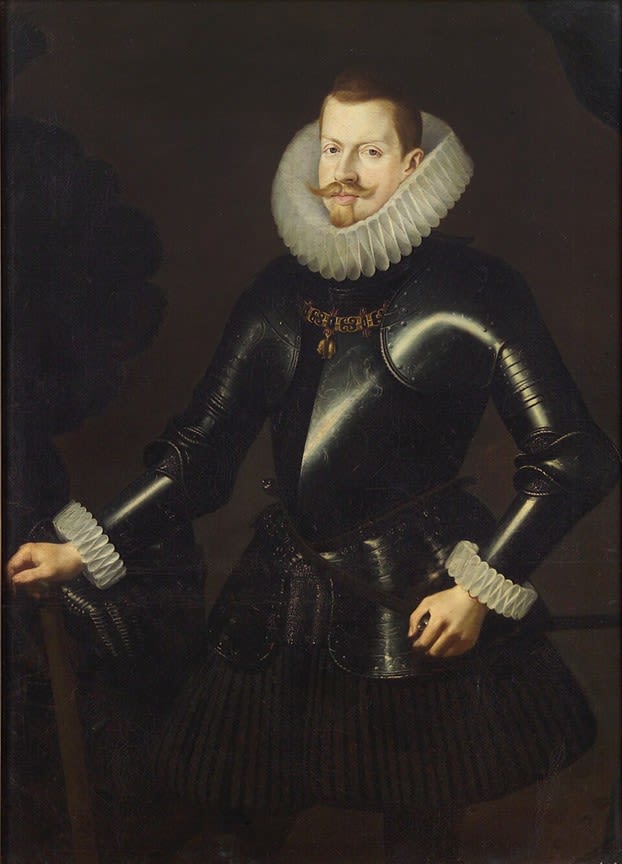
In desperation, Ferdinand appealed for help to the pope and King Philip III of Spain, asking for troops and money. The pope responded by appointing his nephew Gian Francesco Aldobrandini as commander of the papal forces. Ferdinand’s advisers insisted that a counteroffensive should not begin until reinforcements arrived. Aldobrandini, however, persuaded Ferdinand not to wait, and on October 18, 1601, they began the siege of Nagykanizsa. The decision proved disastrous. Shortages of food, disease, and bad weather caused enormous losses among Ferdinand’s troops. On November 15, the siege was abandoned, and Ferdinand retreated into Styria.

Fortunately for the Habsburgs, the Ottomans were unable to exploit their success. Soon afterward, Rudolf II’s forces defeated them near Székesfehérvár. The victory gave Rudolf confidence, and he decided to launch a harsh Counter-Reformation in Silesia and Hungary. This immediately caused outrage among his Protestant subjects. The Calvinist magnate István Bocskai launched an armed rebellion against Rudolf, and by the end of 1604 most of the Hungarian nobility had joined him.
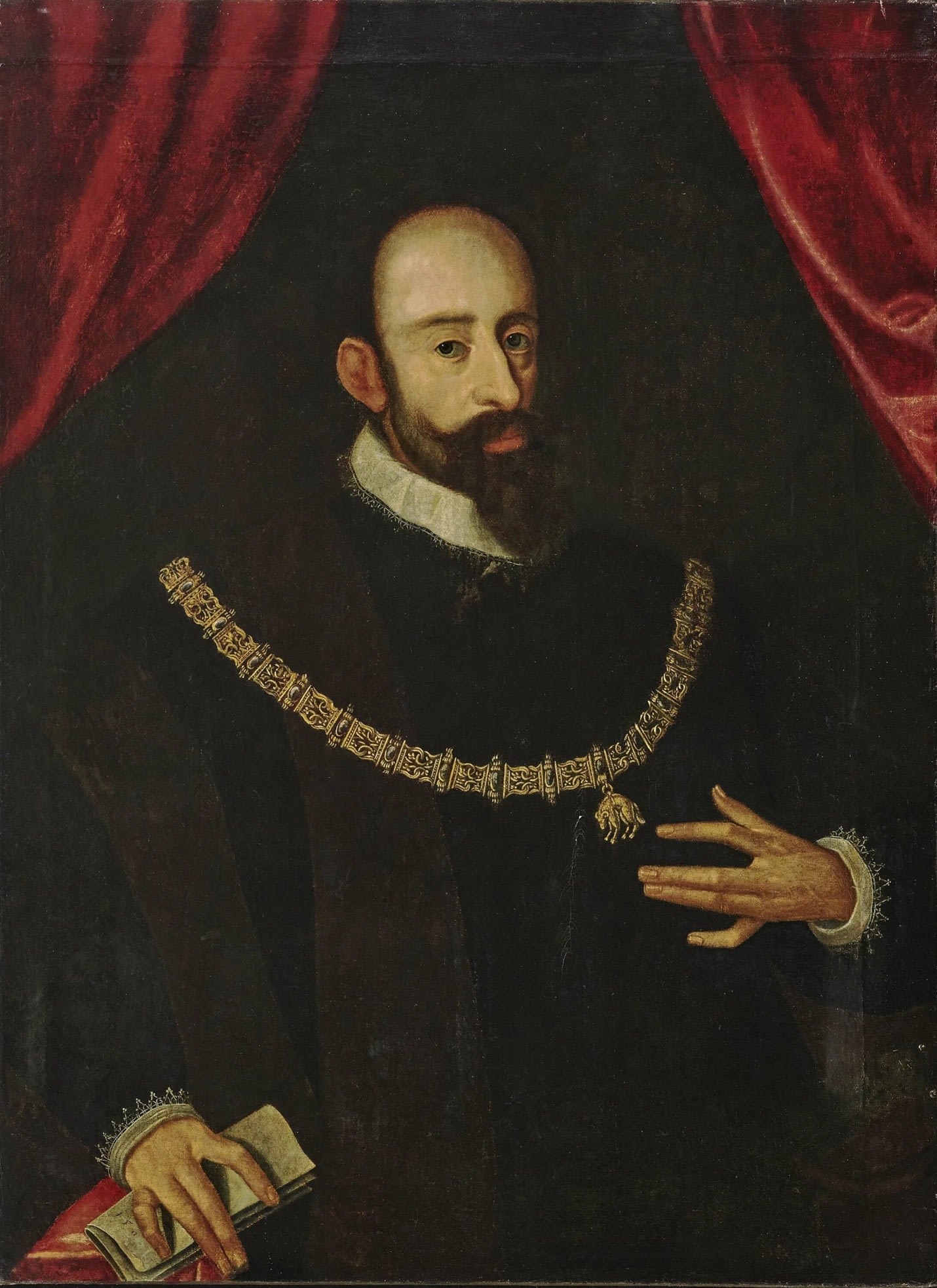
Taking advantage of the crisis, Matthias once again approached his relatives. He persuaded Ferdinand, Maximilian, and Maximilian Ernst, Ferdinand’s brother, to reopen discussions about the succession. In April 1606, the four archdukes met in Linz and concluded that Rudolf was incapable of governing effectively. They decided to replace him with Matthias on the thrones of Bohemia, Hungary, Upper Austria, and Lower Austria. Ferdinand later defended himself by claiming that he had signed this secret agreement only because he feared being accused of seeking the throne for himself.
Rudolf, however, had no intention of surrendering. He refused to abdicate and announced his intention to appoint Ferdinand’s brother Leopold as his heir. At the same time, the emperor effectively allowed Matthias to conduct peace negotiations with the rebel Bocskai. The result was the Treaty of Vienna of 1606, which granted Hungarian Protestants freedom of religion and guaranteed the election of a Palatine, or governor, of Hungary. Soon afterward, on November 11, 1606, the Peace of Zsitvatorok was signed, bringing the exhausting Long Turkish War to an end.
In November 1607, Rudolf II convened an Imperial Diet in Regensburg and appointed Ferdinand as his official representative. On January 12, 1608, at the first session, Ferdinand, speaking on behalf of the emperor, requested funds from the Imperial Estates to maintain an army of 24,000 men. The Protestant princes issued an ultimatum: they would approve the tax only if the Catholics recognized their interpretation of the Peace of Augsburg, particularly their right to retain lands previously confiscated from the Catholic Church. Ferdinand attempted to persuade both sides to respect the terms of the peace, but his diplomatic efforts failed.
At the same time, Ferdinand conducted secret negotiations with Duke William V of Bavaria about creating an alliance of Catholic princes, only to discover that the duke planned to establish such an alliance without Habsburg participation. The situation worsened after the Diet closed: in early May, the Palatinate, Brandenburg, Württemberg, and other Protestant states formed the Protestant Union to defend their interests.

Ferdinand’s appointment as the imperial representative in Regensburg was a clear signal that Rudolf regarded him—the only Habsburg with children—as a likely successor. In response, Matthias made public the text of the secret agreement concluded at Linz. The emperor forgave Ferdinand, but the conflict between the brothers entered an open phase. Matthias formed a formal alliance with the Hungarian and Austrian Estates and marched into Moravia at the head of an army of 15,000 men.
A full-scale war was avoided through the intervention of representatives of the Holy See and King Philip III of Spain. In June 1608, the Treaty of Lieben was signed as a compromise. Rudolf retained the imperial title and control over most of the lands of the Bohemian Crown. Matthias received Hungary, Lower and Upper Austria, and Moravia. Both brothers, however, were forced to confirm the privileges of the Estates in their territories, including freedom of religion.
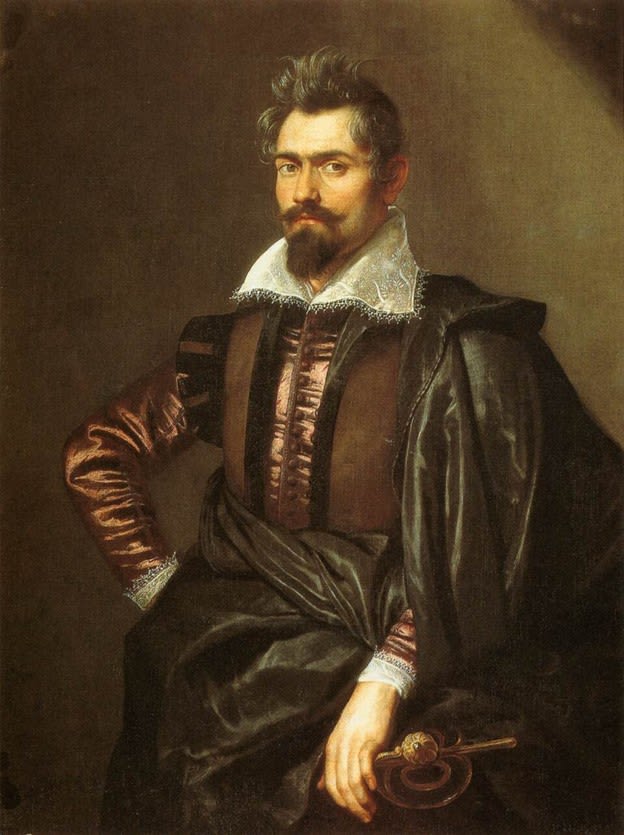
During this period, Ferdinand also became close to the scholar Kaspar Schoppe, whom he had met at the Imperial Diet. He commissioned Schoppe to develop a detailed plan for an alliance of Catholic monarchs. Schoppe believed that such an alliance should not merely guarantee religious peace but should also restore Catholicism in former ecclesiastical principalities and recover confiscated Church lands. Ferdinand fully shared these radical views and instructed Schoppe to begin negotiations with Pope Paul V concerning support for a “just war” in defense of Catholic interests. The pontiff, however, fearing a conflict with King Henry IV of France, avoided making specific commitments.
Ferdinand also tried to improve relations with his Bavarian relatives, being alarmed by Matthias’s concessions to Protestants. William V and Maximilian I of Bavaria, however, ignored his initiatives. In February 1610, together with the three ecclesiastical electors—the archbishops of Mainz, Trier, and Cologne—they created the Catholic League without Habsburg participation. Only the intervention of King Philip III of Spain, who promised financial support to the League, induced the Catholic princes in August 1610 to grant Ferdinand the offices of director and vice-protector of the League.
Working together with Melchior Klesl, Rudolf II’s principal adviser and Bishop of Vienna, Ferdinand attempted to reconcile the emperor and Matthias. On May 1, 1610, Ferdinand and other princes arrived in Prague. Maintaining neutrality in the family conflict, Ferdinand acted as a successful mediator. A compromise was reached, but Rudolf still refused to designate Matthias as his heir. Instead, he placed his hopes in Ferdinand’s younger brother Leopold, whom he instructed to raise an army of 15,000 mercenaries.

In February 1611, Leopold invaded Bohemia but suffered a crushing defeat at the hands of the Bohemian Estates. As a result of this failure, the Estates deposed Rudolf and elected Matthias King of Bohemia on May 23, 1611. Rudolf nevertheless retained the title of Holy Roman Emperor, leaving the question of succession unresolved.
In December of the same year, Matthias, Ferdinand, and Maximilian III met in Vienna with Baltasar de Zúñiga, Philip III’s ambassador. They decided to support Matthias’s candidacy as King of the Romans, which would ensure his succession to the imperial crown after Rudolf’s death. The plan met resistance from the three ecclesiastical electors, who were dissatisfied with Matthias’s concessions to Protestants. Nevertheless, several months after Rudolf II’s death on June 20, 1612, Matthias was elected emperor.
Because neither Matthias nor his two surviving brothers, Maximilian III and Albert VII, had children, the question of succession in Austria, Bohemia, Hungary, and the Holy Roman Empire remained urgent. Matthias appointed Ferdinand governor of Lower and Upper Austria and his representative in Hungary. Real power, however, was held by Melchior Klesl, who became the new emperor’s most influential adviser.
Klesl developed a plan for a broad alliance of princes that would include both Catholics and Protestants. Ferdinand and Maximilian III categorically rejected the idea as dangerous and sent envoys to Rome to persuade the pope of the need for an exclusively Catholic alliance. The Catholic League was restored, but to Ferdinand’s displeasure, according to Klesl’s plan its primary objective was declared to be the defense of the imperial constitution rather than the purity of the faith.
The situation was further complicated by King Philip III of Spain’s claims to Bohemia and Hungary. He based these claims on the fact that his mother, Anna of Austria, Matthias’s sister, had never renounced her rights to these kingdoms. Negotiations between Matthias, Ferdinand, and Zúñiga in Linz during the summer of 1613 failed to produce an agreement. Maximilian III and Albert VII, both of whom supported Ferdinand, formally renounced their rights in his favor in August 1614. Klesl, however, continued to delay a final decision.
In 1614, Ferdinand again faced the problem of the Uskoks. He sent troops against their principal stronghold at Senj. Despite harsh measures—dozens of commanders were beheaded—Venice remained dissatisfied. In 1615, Venetian troops invaded Istria and besieged Gradisca but failed to capture the fortress. The Uskok War began. Ferdinand appealed to Spain for assistance, while Venice secured the support of the Dutch Republic and England. The war became prolonged.
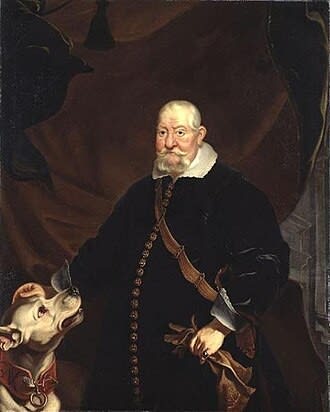
In 1615, Matthias adopted Ferdinand as his son but refused to initiate his election as King of the Romans, fearing that Ferdinand might force him to abdicate. At the beginning of 1616, Ferdinand promised not to interfere in the administration of Matthias’s territories. Klesl, who regarded Ferdinand as a puppet of the Jesuits, continued to obstruct his recognition as heir. On October 31, 1616, Ferdinand and Maximilian III decided to seek Klesl’s removal.
First, however, Ferdinand needed to settle relations with Spain. On July 29, 1617, Ferdinand and the new Spanish ambassador in Vienna, Count of Oñate, signed an important secret treaty. Philip III recognized Ferdinand as Matthias’s legitimate successor. In return, Ferdinand promised that after his coronation he would transfer territories in Alsace, Finale Ligure, and the Principality of Piombino to Spain. Philip also gave Ferdinand one million thalers for the war against Venice. This financial support was extremely important, as the Venetians had again besieged Gradisca in March 1617 while the Estates refused to finance the war.
At the end of April 1617, Emperor Matthias became seriously ill. Ignoring Klesl’s advice, he summoned the Bohemian Diet in order to ensure the transfer of power to Ferdinand. Matthias informed the deputies that his brothers had renounced their rights, but most Bohemian representatives refused to recognize a hereditary Habsburg right to the throne. After difficult negotiations, on June 6 the majority of deputies, with the exception of two nobles and two townsmen, agreed to “accept” Ferdinand as king. After consulting the Jesuits, Ferdinand promised to uphold the Letter of Majesty, which guaranteed freedom of religion. On June 29, he was solemnly crowned in St. Vitus Cathedral. Authority was transferred to ten regents—seven Catholics and three Protestants—who immediately established a censorship office in Prague.
Having secured the Bohemian crown, Ferdinand and Matthias met in Dresden with John George I, the Lutheran Elector of Saxony. He promised to support Ferdinand’s candidacy in the imperial election and pledged to try to persuade two other Protestant electors to vote for him.
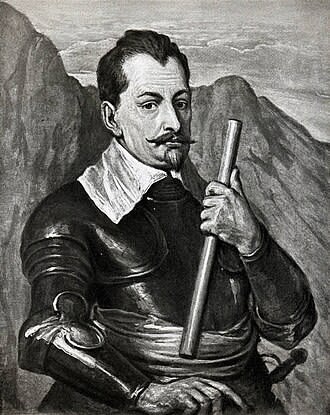
With the funds received from Spain, Ferdinand was able to hire new troops for the continuing war against Venice. Volunteers also joined him. Among them was the Catholic Bohemian nobleman Albrecht von Wallenstein, who equipped 260 soldiers at his own expense. The reinforcement of the army produced results: on September 22, 1617, the Venetians lifted the siege of Gradisca. A peace treaty was signed in early 1618. Ferdinand agreed to relocate the Uskoks further inland and destroy their fleet, while Venice evacuated the territories it had occupied in Istria. A permanent Austrian garrison was stationed at Senj.

At the beginning of 1618, Matthias convened the Hungarian Diet at Pressburg, present-day Bratislava. After satisfying the deputies’ demands for the appointment of a new Palatine and the confirmation of the privileges of the Estates, Ferdinand was proclaimed King of Hungary on May 16. At Ferdinand’s request, the Catholic magnate Zsigmond Forgách became the new Palatine. The road to the imperial crown was now virtually open.
By 1618, the Holy Roman Empire had become a powder keg. Religious tensions had reached the breaking point, while the vast Habsburg possessions, divided between the Austrian and Spanish branches of the dynasty, struggled to maintain control over a diverse conglomeration of territories. The principal source of conflict in Bohemia was the “Letter of Majesty,” signed earlier by Emperor Rudolf II, which guaranteed freedom of religion to nobles and towns.
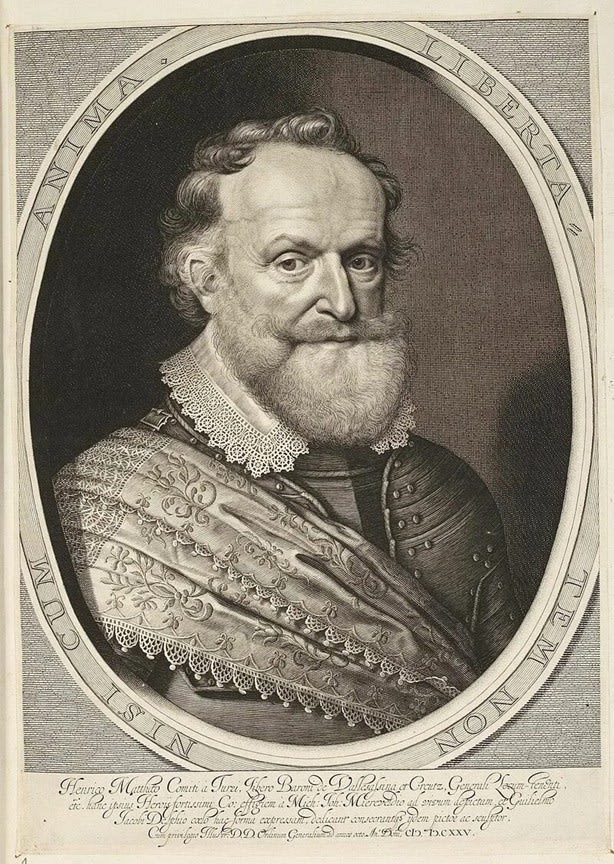
Ferdinand’s profound devotion to Catholicism, his absolutist views, and his unwillingness to respect the historical privileges of the nobility caused enormous dissatisfaction among his non-Catholic subjects. Bohemian Protestants insisted that the Letter of Majesty gave them the right to construct churches even on lands belonging to Catholic prelates. Catholics categorically rejected this interpretation. The spark came when royal officials adopted harsh measures: they arrested Protestant townspeople attempting to build a church in Broumov and ruthlessly demolished an already completed Protestant church at Hrob. Protestants blamed the violence entirely on two Catholic royal governors—Jaroslav Bořita of Martinice and Vilém Slavata of Chlum.
The climax came on May 23, 1618. Jindřich Matyáš Thurn, one of the powerful Bohemian magnates who had never recognized Ferdinand’s right to the throne, led a group of armed nobles into Prague Castle. The enraged crowd seized both governors and one of their secretaries and threw them out of a window. This Third Defenestration of Prague became not only the beginning of the Bohemian Revolt but also the first fateful act of the Thirty Years’ War. Just two days later, the Protestant Estates elected directors to form a provisional government and hurriedly began raising their own army.
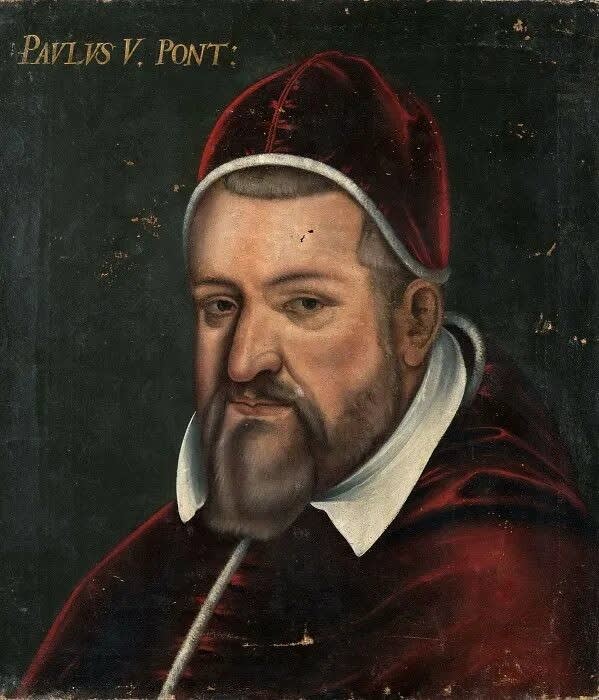
Ferdinand learned of the events in Prague on May 27, 1618, while in Pressburg. He attempted to resolve the matter peacefully and persuaded the reigning Emperor Matthias to send an envoy to Prague, but the envoy failed to achieve a compromise. Without wasting time, Ferdinand was crowned King of Hungary on July 1 and returned to Vienna two weeks later. There, together with his brother Maximilian III, he made a radical decision—to eliminate Cardinal Melchior Klesl, Matthias’s principal adviser, even though Klesl himself supported a hard line against the Bohemian rebels. On July 20, Ferdinand lured the cardinal to the Hofburg Palace and ordered his arrest at the entrance. By imprisoning such a senior churchman, Ferdinand was automatically excommunicated from the Catholic Church, although Pope Paul V lifted the excommunication before the end of the year.
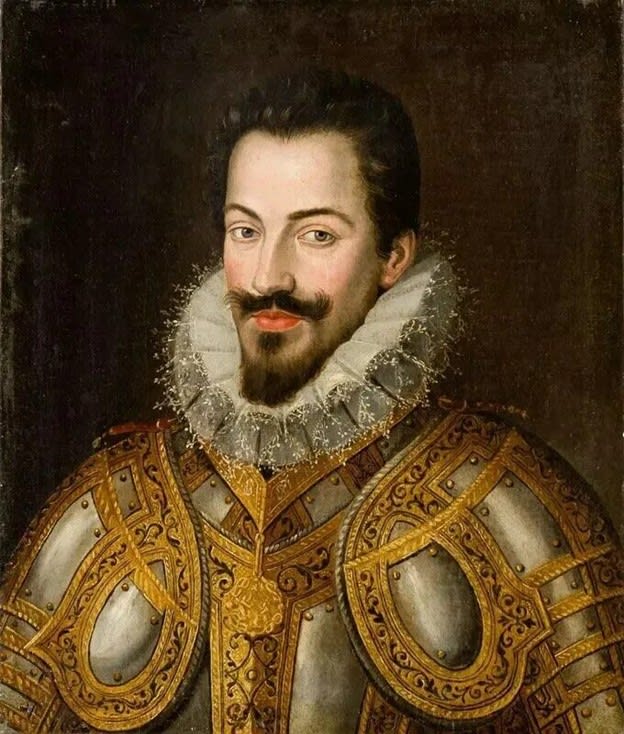
Beginning in September 1618, Rome provided Ferdinand with monthly subsidies for military purposes, while King Philip III of Spain promised comprehensive support. Through the mediation of the Saxon Elector John George I, Ferdinand attempted negotiations, demanding that the rebels dissolve their army and government. They refused and escalated the conflict, forming an alliance with the Estates of Silesia, Upper and Lower Lusatia, and Upper Austria. The powerful Charles Emmanuel I of Savoy hired the condottiero Ernst von Mansfeld to assist the Bohemians. His forces soon captured Pilsen, the most important stronghold of the Bohemian Catholics, while other rebel detachments began raiding Lower Austria.
Emperor Matthias died on March 20, 1619. Maximilian I of Bavaria demanded that Ferdinand crush the rebels with an iron fist, but Ferdinand chose to demonstrate diplomatic flexibility. He once again confirmed the Letter of Majesty and called upon the Bohemians to send representatives to Vienna. The directors ignored the gesture and continued preparing for a major war. Ferdinand unexpectedly received help from Albrecht von Wallenstein: on April 30, he stormed into Olomouc, seized 96,000 thalers from the Moravian treasury, and handed them over to the king, although Ferdinand preferred to return the money to the Moravian Estates to avoid accusations of robbery.
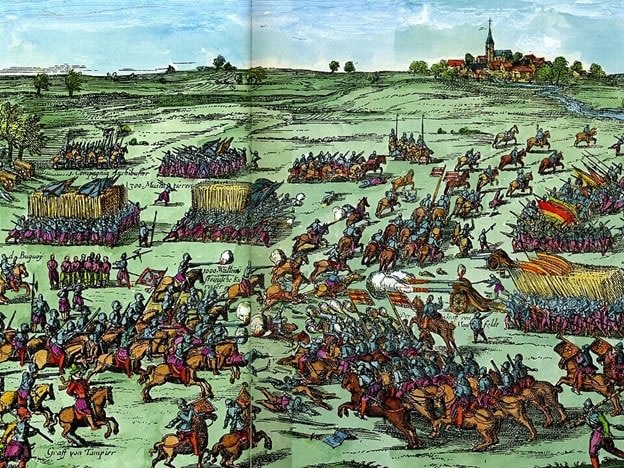
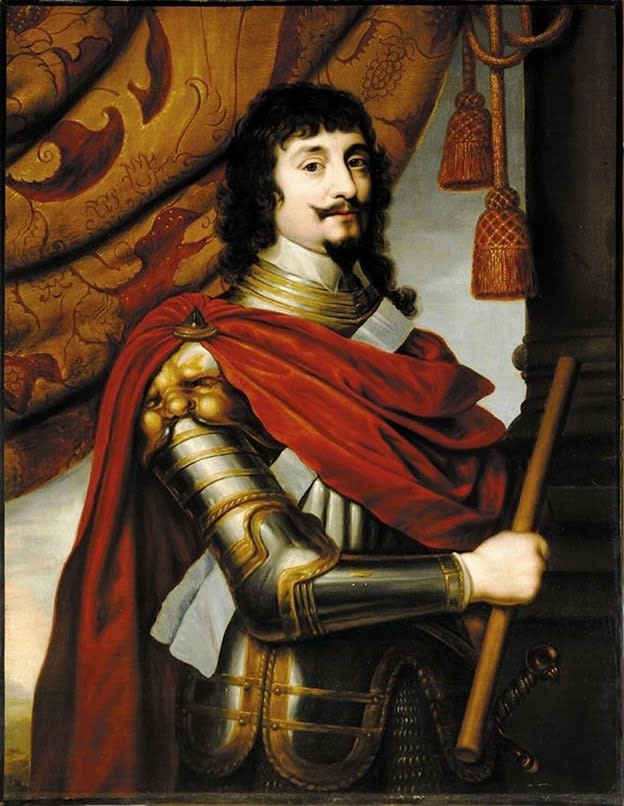
Meanwhile, the noose was tightening. Upper Austrian Protestants refused to recognize Ferdinand as Matthias’s successor without guarantees of their liberties. On June 5, 1619, Jindřich Thurn, leading an army of 15,000 men, laid siege to Vienna itself. The capital had only about 300 soldiers. Ferdinand found himself in a potentially fatal trap but displayed extraordinary composure: while conducting tense negotiations with Protestant deputies inside the palace, he secretly dispatched messengers to Krems to his commander Henri Duval, Count of Dampierre. Dampierre’s troops arrived by ship along the Danube and forcibly expelled the Protestant deputies from the Hofburg. Shortly afterward, General Charles Bonaventure de Longueval, Count of Bucquoy, defeated the Bohemians at the Battle of Sablat. Upon hearing the news, Thurn lifted the siege of Vienna on June 12.
While Ferdinand traveled by a circuitous route through Salzburg and Munich to Frankfurt for the imperial election, avoiding rebellious Upper Austria, the political situation in Bohemia reached the point of no return. On July 31, all the lands of the Bohemian Crown united in a confederation; on August 22 they formally deposed Ferdinand; and on August 26 they offered the crown to Frederick V of the Palatinate, leader of the Protestant Union.
Despite protests by the Bohemian envoys in Frankfurt, the electors unanimously chose Ferdinand as Holy Roman Emperor on August 28, 1619. News of his deposition in Prague reached him that same day, but he remained resolute and awaited his imperial coronation on September 9.
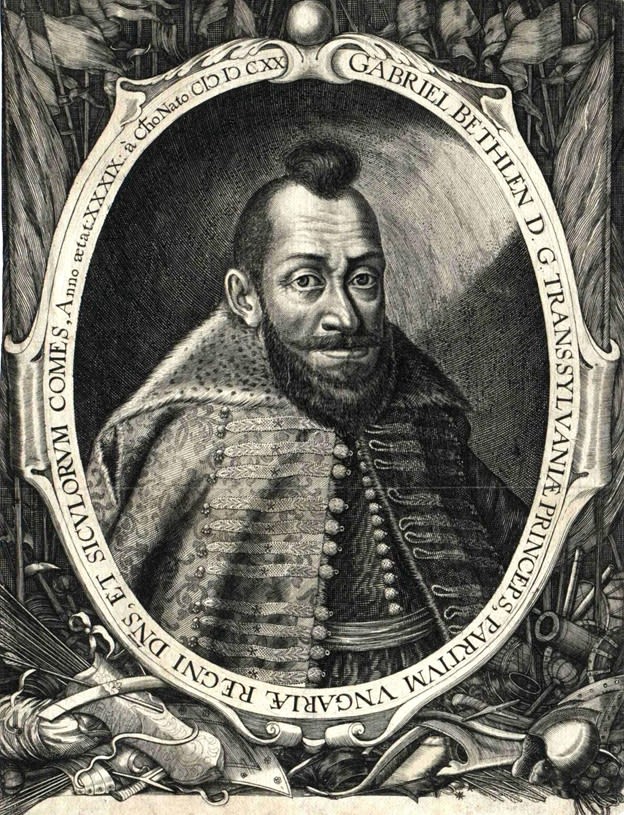
The war continued to expand. Gabriel Bethlen, Prince of Transylvania, formed an alliance with the Bohemians and invaded Upper Hungary, modern-day Slovakia, in September. Encouraged by these successes, Frederick V accepted the Bohemian crown on September 28.
In response, Ferdinand began forging his own alliance. On October 8, 1619, in Munich, he signed a historic agreement with Maximilian I: Bavaria would lead the re-established Catholic League, while Ferdinand pledged to cover all military expenses.
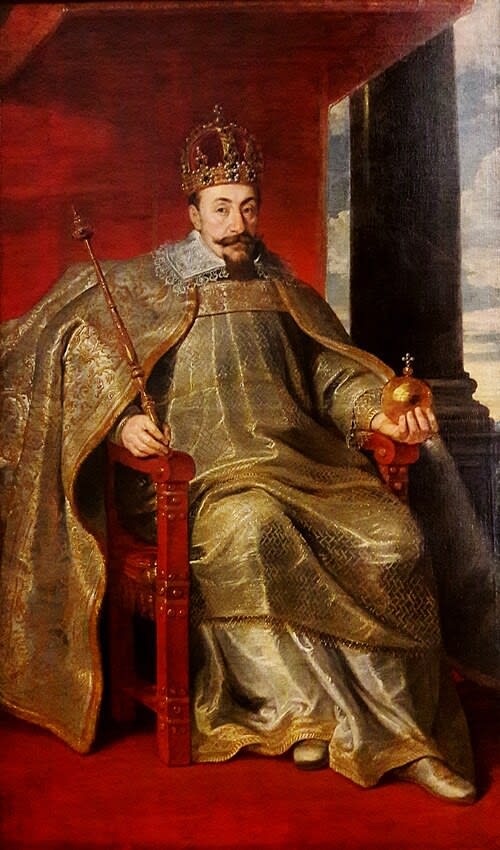
Already in November, the combined armies of Bethlen and Thurn again besieged Vienna. Assistance came from the east. Ferdinand appealed to his brother-in-law, the staunchly Catholic King Sigismund III of Poland. Poland did not formally enter the war, but Sigismund hired hardened warriors from the Cossack lands, who attacked Upper Hungary. This forced Bethlen to retreat hastily to Transylvania at the end of January 1620 and sign a nine-month truce with Ferdinand. Left alone, Thurn was forced to abandon the siege.

Ferdinand then went on the political offensive, threatening Frederick V with an imperial ban unless he left Bohemia by July 1. Having secured the support of John George I of Saxony, who had been promised Lusatia, the emperor began stabilizing his rear. After Ferdinand’s new confessor, the Jesuit Martin Becan, assured him that tactical concessions were permissible, the emperor on July 8, 1620, allowed the Lutherans of Lower Austria, except those in the towns, to practice their faith. Only five days later, the nobles swore allegiance to him.
Events then moved rapidly. The army of the Catholic League under Johann Tserclaes, Count of Tilly, occupied Upper Austria, which had been given to Maximilian I as security for debts. Bucquoy defeated the rebels in Lower Austria, while Saxon forces entered Lusatia. On August 23, the Hungarian Diet deposed Ferdinand and elected Bethlen king. The French, represented by Charles de Valois, attempted to impose mediation. Ferdinand, however, relying on Spain, Rome, and the Polish-Lithuanian Commonwealth, was determined to suppress the rebellion by force. The combined forces of Tilly, Bucquoy, and Maximilian of Bavaria entered Bohemia and, on November 8, 1620, inflicted a crushing defeat on Frederick V—the “Winter King”—and the Bohemian rebels in the legendary Battle of White Mountain.
Retribution was severe. On January 29, 1621, Ferdinand declared Frederick V, who had fled to the Netherlands, an outlaw. Administration of Bohemia was entrusted to Charles I of Liechtenstein and Moravia to Cardinal Franz von Dietrichstein. Special tribunals sentenced the leaders of the rebellion to death. On June 21, the blood of twenty-seven prominent nobles and townsmen was spilled in Prague’s Old Town Square. The property of more than 450 noble families was confiscated. At the insistence of Charles I, the emperor was eventually forced to proclaim a partial amnesty, but only because of the continuing threat posed by Mansfeld’s undefeated troops in the west. At the end of the year, on December 31, 1621, the Peace of Nikolsburg was signed: deprived of Ottoman support, Bethlen renounced the Hungarian crown in exchange for seven Hungarian counties and two Silesian principalities.
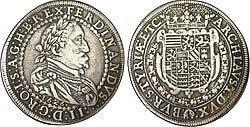
Conquered Bohemia was plunged into the turmoil of what has been described as the “first financial crisis of the Western world,” known as the Kipper and Wipper crisis. Lacking money to pay his mercenaries, on January 18, 1622, Ferdinand leased the mints of Bohemia, Moravia, and Lower Austria for one year to a powerful consortium consisting of Charles I of Liechtenstein, Wallenstein, Eggenberg, banker Jacob Bassevi, and Hans de Witte, in exchange for the enormous sum of six million guilders. The syndicate minted thirty million guilders’ worth of debased silver coins, while buying confiscated rebel estates and silver itself at bargain prices. Hyperinflation followed, bringing famine and chaos, until in early 1623 Ferdinand dissolved the consortium under pressure from the Jesuits.
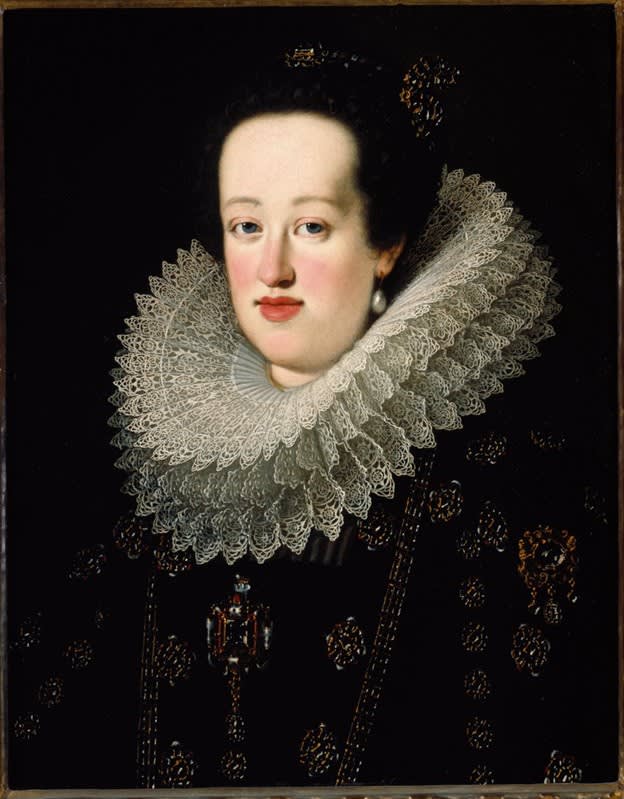
On February 1, 1622, in Innsbruck, Ferdinand met his second wife, the twenty-three-year-old Eleonora Gonzaga. Her magnificent coronation in the Hungarian city of Sopron was accompanied by the first performance of Italian opera in Habsburg history. At the Diet convened there, the Hungarians elected the Lutheran Count Stanislaus Thurzó as Palatine.
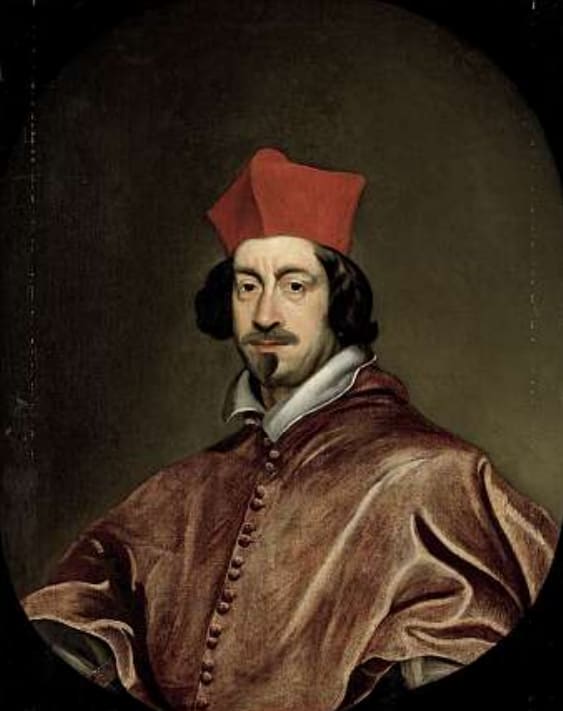
On the battlefields, the Imperial-Spanish forces methodically finished off their enemies. In May and June 1622, the Protestants suffered a series of defeats, and on September 19 Tilly captured Heidelberg, the capital of the Palatinate. At the Regensburg conference, which opened on November 24, Ferdinand, despite protests from his allies, particularly Spain, Brandenburg, and Saxony, insisted that Frederick V be stripped of his electoral title. On February 25, 1623, the title was formally transferred to Maximilian I of Bavaria.
Ferdinand’s attempt in April 1623 to merge all the Austrian and Tyrolean territories into a single kingdom failed because of resistance from his brothers, but Habsburg power appeared unshakable. An attempt by a new coalition—the Netherlands, Frederick V, Bethlen, and Christian of Brunswick—to reverse the course of the war ended on August 6, 1623, when Tilly destroyed Christian’s army at the Battle of Stadtlohn. In May 1624, Bethlen again requested peace in Vienna.
From the end of 1623, the emperor’s new confessor was Wilhelm Lamormaini, who inspired Ferdinand to pursue the complete eradication of Protestantism. The campaign began with the subordination of education: by imperial decree, Ferdinand transferred Charles University in Prague to Jesuit control, overcoming opposition even from his own Archbishop of Prague, Ernst Adalbert von Harrach, and from the Holy See.
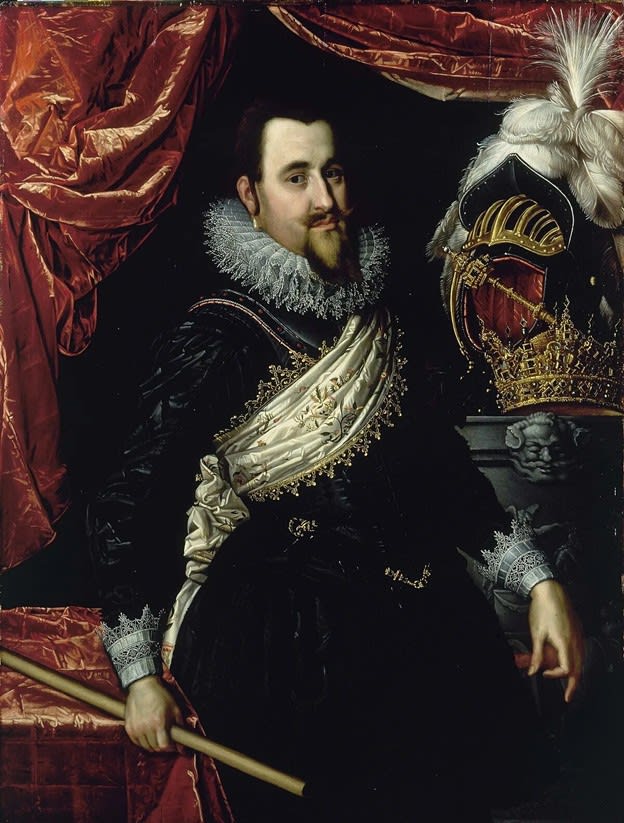
On March 25, 1624, Ferdinand solemnly renewed his Loreto vow to restore Catholicism. Protestant worship in Bohemia and Moravia was prohibited, and on May 18 nobles were forbidden under threat of punishment from employing pastors. All Protestant preachers were expelled from Bohemia, and over the following decades Protestantism in these lands was almost completely eradicated.
The repression spread to Upper Austria. Contrary to Maximilian of Bavaria’s advice, Ferdinand expelled all non-Catholic teachers and clergy from the region on October 4, giving the population until Easter 1625 to convert to Catholicism. This provoked a major peasant uprising in May 1626. The emperor refused even to receive a delegation from the rebels; by November, the revolt had been drowned in blood by Bavarian and Imperial troops, while tens of thousands of Protestants permanently left their homeland. Ferdinand’s political position was also strengthened in Hungary: in October 1625, the Diet recognized the emperor’s son, Ferdinand III, as heir, while the Catholic Count Miklós Esterházy became the new Palatine.
Meanwhile, the conflict was spreading beyond Germany. In 1624, Cardinal Richelieu, fearing Habsburg hegemony, began assembling a new anti-imperial coalition and encouraged King Christian IV of Denmark, commander of the forces of the Lower Saxon Circle, to enter the war. On December 9, 1625, England, the Dutch Republic, and Denmark concluded an alliance at The Hague.
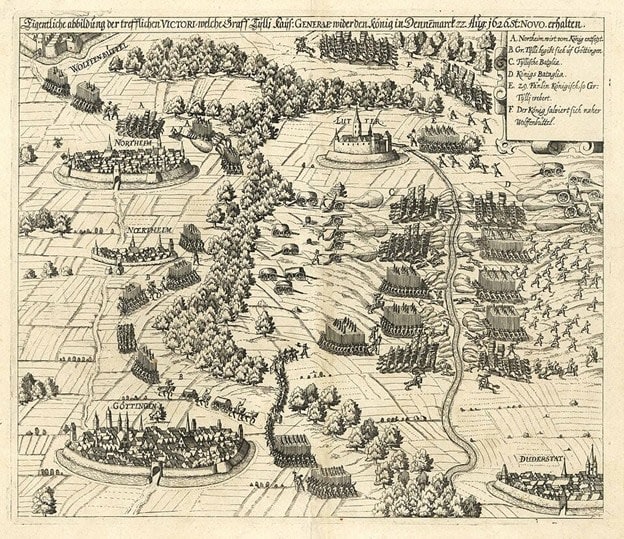
To confront the new threat, and lacking a treasury of his own, Ferdinand accepted Albrecht von Wallenstein’s historic proposal. In return for complete command and the right to war booty, Wallenstein raised an army enormous by the standards of the time—initially 30,000 men and later as many as 100,000. The fierce rivalry between Wallenstein and Tilly initially created difficulties, but the Catholic military machine proved unstoppable. On August 26, 1626, Tilly decisively defeated the Danes at Lutter. Mansfeld reached Hungary, but Bethlen, seeing no prospects for success, finally withdrew from the conflict in December 1626. In February 1627, the victorious Wallenstein invaded Denmark, while also occupying Mecklenburg—whose dukes Ferdinand dispossessed—Pomerania, and Holstein.
Intoxicated by a succession of triumphs, Ferdinand II issued the famous Edict of Restitution in 1629, ordering the return to the Catholic Church of all lands secularized by Protestants since the Treaty of Passau of 1552. The decision proved disastrous: it stirred Protestant Europe and turned its attention northward toward King Gustavus II Adolphus of Sweden.
Pressure from Ferdinand’s allies, alarmed by Wallenstein’s excessive power and the destructive methods by which his army supported itself, forced the emperor in 1630 to dismiss his best commander. Command once again passed to the aging Tilly.
The decision coincided with the Swedish landing in Germany. In 1631, the forces of the Catholic League subjected Magdeburg to horrific devastation—a tragedy for which many historians assign at least part of the responsibility to Ferdinand’s uncompromising insistence that Tilly impose the Edict of Restitution on Saxony by force. In response, Gustavus Adolphus’s Swedish army inflicted a catastrophic defeat on the Imperial forces at the First Battle of Breitenfeld in 1631, and Tilly was killed in battle in 1632.

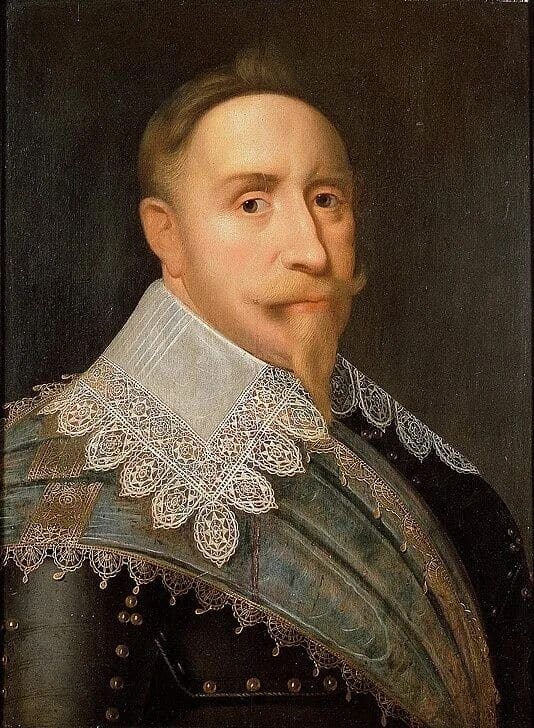
The Empire stood on the brink of collapse. Ferdinand was forced to recall Wallenstein, who performed what seemed a miracle by raising a new army in only a week. In September 1632, at the Battle of Fürth, or Alte Veste, he achieved a tactical victory and drove the Swedes out of Bohemia. In the bloody Battle of Lützen in November 1632, the Catholics ultimately withdrew, but their principal objective had been achieved: King Gustavus Adolphus was killed on the battlefield.
Wallenstein himself, however, became increasingly independent and entered into secret negotiations with Ferdinand’s enemies. In 1634, with Vienna’s tacit approval, the great generalissimo was assassinated. Despite this loss, Imperial forces managed to retake Regensburg and in 1634 achieved a crucial victory over the weakened Swedes at Nördlingen.
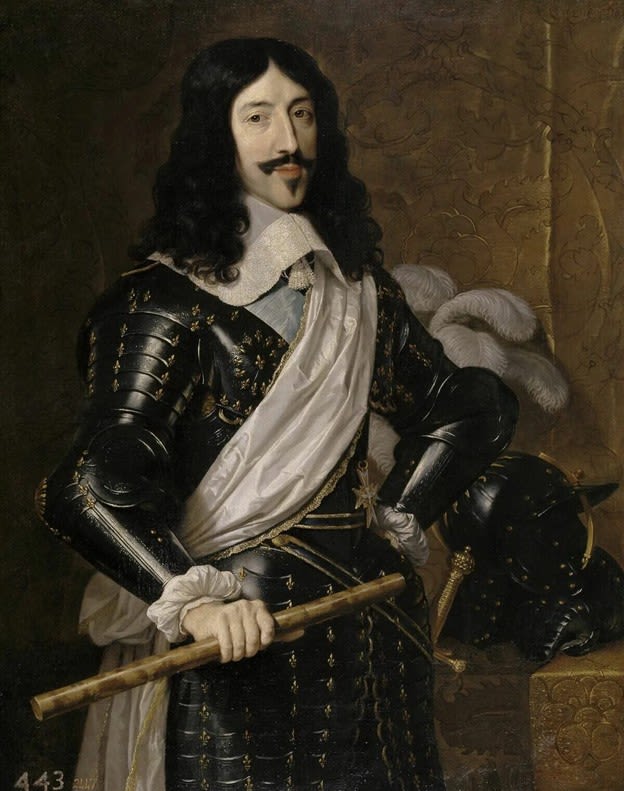
Peace seemed near. Yet the excessive strengthening of Habsburg power prompted the France of Louis XIII and Richelieu to enter the Thirty Years’ War openly on the Protestant side in 1635. In the same year, Ferdinand II signed his final major act of state—the Peace of Prague—which nevertheless failed to extinguish the flames of the continent-wide war.
Ferdinand II, a man who sincerely believed that his hand was guided by the Holy Spirit, died in 1637. He left to his son, Ferdinand III, an empire consumed by seemingly endless war and standing on the threshold of enormous upheaval. The body of the uncompromising emperor was laid to rest in a specially constructed mausoleum in Graz, while his heart was solemnly buried in Vienna’s Herzgruft, the “Crypt of Hearts,” at the Augustinian Church, remaining forever in the capital of the empire that he had so fiercely attempted to reshape into a truly Catholic state.



