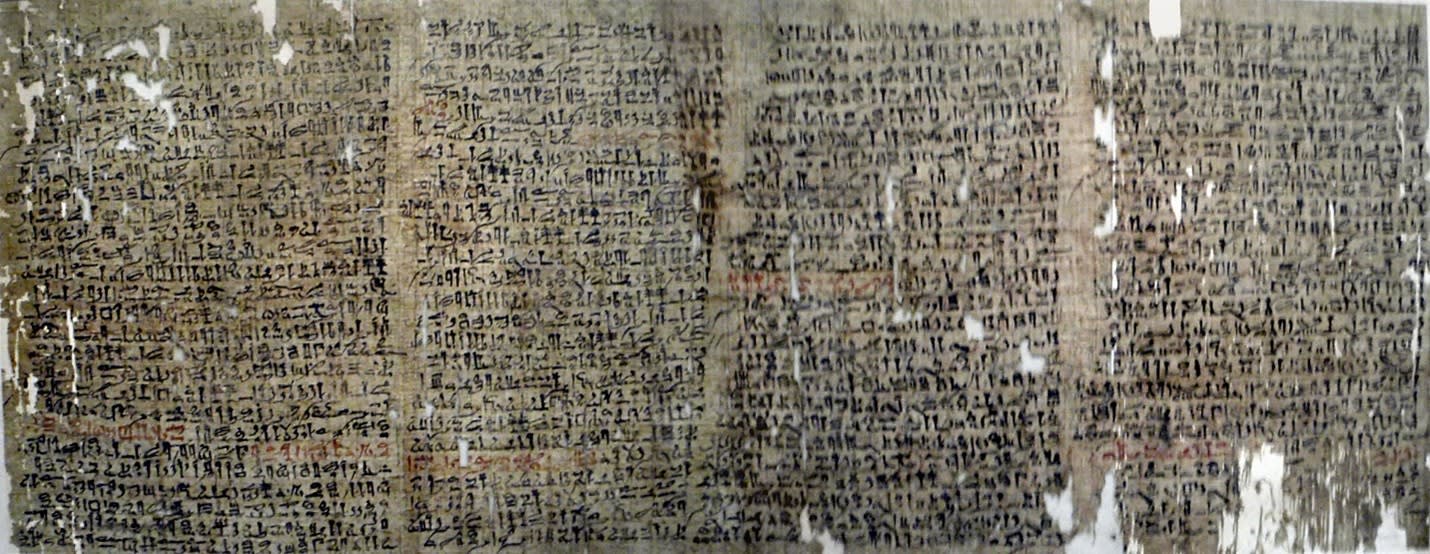
The story of Userkaf’s rise to power is shrouded in myths, the most vivid of which is preserved in the Westcar Papyrus. According to this tale, composed a thousand years after the events described, the great seer Djedi foretold to Pharaoh Khufu (Cheops) the decline of his line. He announced that in the sacred city of On (Heliopolis) the wife of a priest of Ra, Reddedet, would bear three sons by the Sun god himself.
“The eldest of the three children will become the high priest of Ra, and then each of the brothers will in turn take the throne of Egypt,” the prophecy declared.
According to the story, Khufu was deeply saddened by this news, and the birth of the infants — the future pharaohs Userkaf, Sahure, and Kakai — was accompanied by miracles and divine assistance. This legend, despite its mythological nature, reflects a real historical fact: the Fifth Dynasty was closely connected with the Heliopolitan priesthood, and its first ruler, Userkaf, probably did indeed hold a high priestly office before ascending the throne.
Despite legends of hostility between the dynasties, archaeological evidence indicates a smooth transfer of power. Userkaf, whose name means “Powerful is his Spirit,” was not a usurper. Analysis of monuments shows that he legitimized his rights through marriage to Queen Khentkaus, daughter of Menkaure. Thus, the bloodline of the Fourth Dynasty was not broken, and Userkaf became the link between the old and the new dynasty.
His origin remains disputed: Manetho considered the homeland of the dynasty to be the island of Elephantine in the south, while the tales point to the Delta. Archaeological finds suggest that Userkaf may have been the son of Queen Neferhetepes and the grandson of Pharaoh Djedefre. It is important that under the new dynasty the nobles of previous kings (for example, Sekhemkare, son of Khafre) retained their high positions, which confirms the stability of the state apparatus.
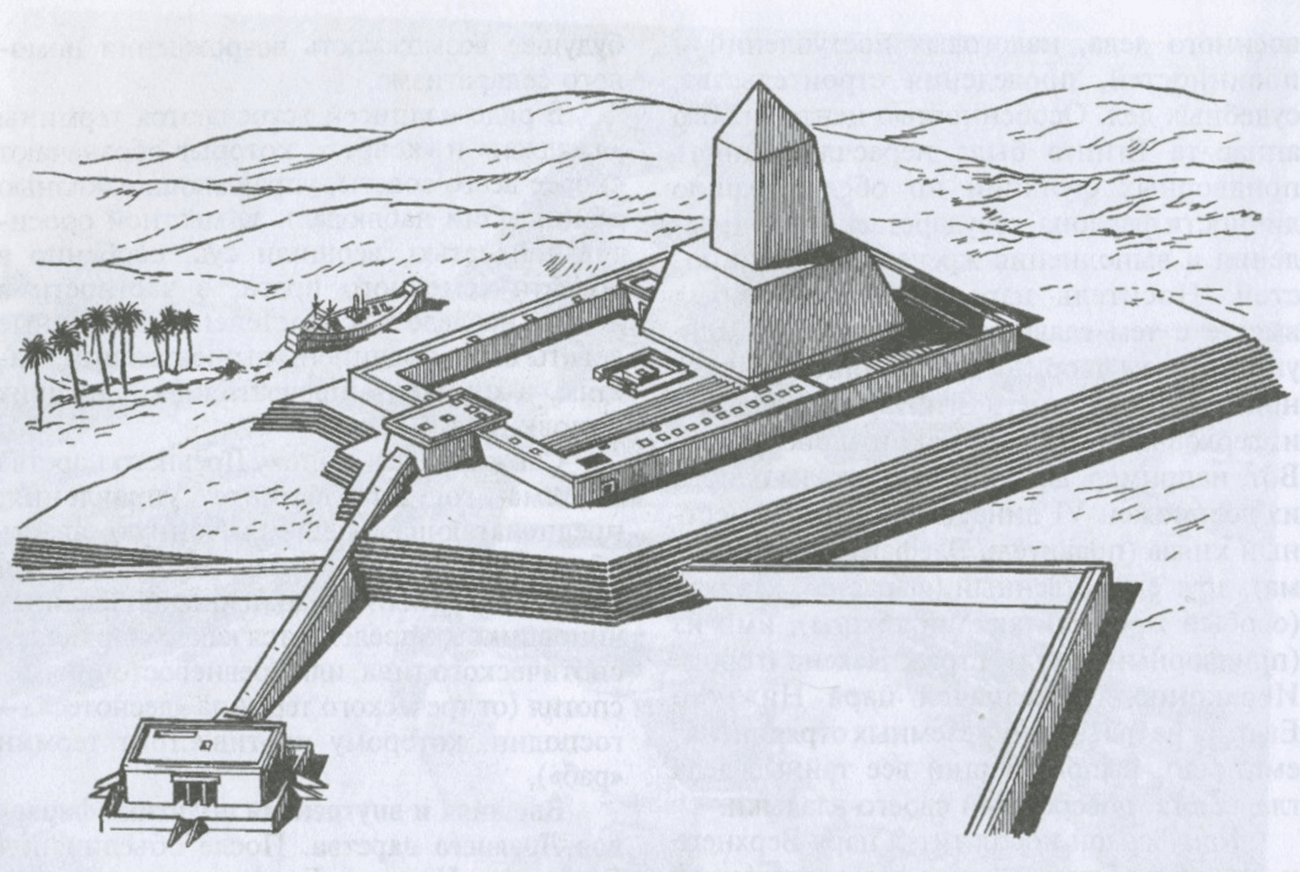
Userkaf’s principal innovation was the construction of solar temples. While the rulers of the Fourth Dynasty devoted all their efforts to pyramids, Userkaf was the first to erect a sanctuary to the god Ra at Abu Ghurab, called Nekhen-Ra (“Enclosure of the Offerings of Ra”).
This was an entirely new type of architectural complex:
Central element: A huge stone obelisk on a pedestal, symbolizing a sunbeam.
Altar: An open courtyard in front of the obelisk for daily sacrifices (according to the Palermo Stone, Userkaf granted the temple two bulls and two geese every day).
Symbolism: The temple was open to the sky, emphasizing a direct connection with the deity, unlike the enclosed funerary sanctuaries of the past.
Userkaf’s interest in the outside world is confirmed by the discovery of a bowl bearing the name of his temple on the Greek island of Kythera, which indicates developed trade relations with the Aegean world.
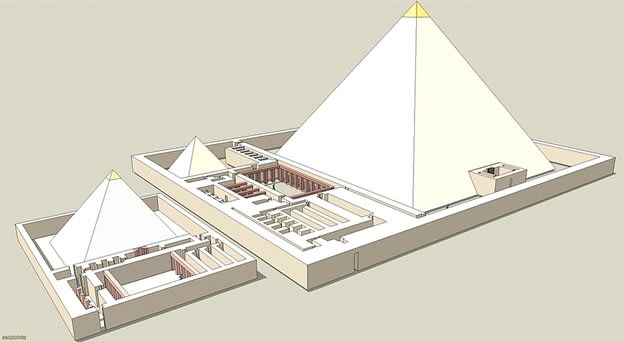
Unlike his predecessors from Giza, Userkaf returned to the necropolis of the Third Dynasty and built his pyramid at Saqqara, near the complex of Djoser. His tomb, called Wab-sut (“Place of Purification”), was far smaller than the great pyramids of the Fourth Dynasty:
Height: 44.53 meters.
The pyramid was built of roughly cut local limestone blocks and faced with a thin layer of Tura limestone. Due to careless masonry, after the removal of the casing the structure partially collapsed and today resembles a shapeless heap of stones.
However, Userkaf’s funerary temple was innovative. It was unusually large relative to the pyramid and for the first time in history was located on the southern rather than the eastern side. In its ruins were found magnificent reliefs depicting the pharaoh hunting in the marshes of the Delta, as well as a colossal granite head of the king 0.75 meters high — the earliest example of such large-scale royal sculpture of the Fifth Dynasty.
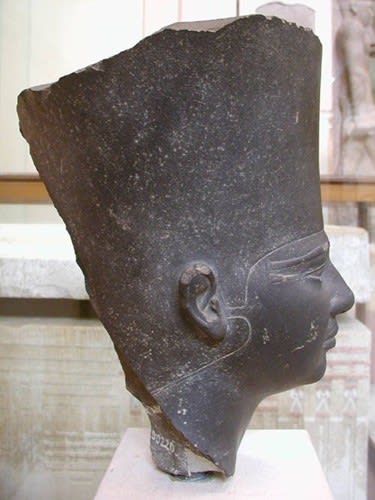
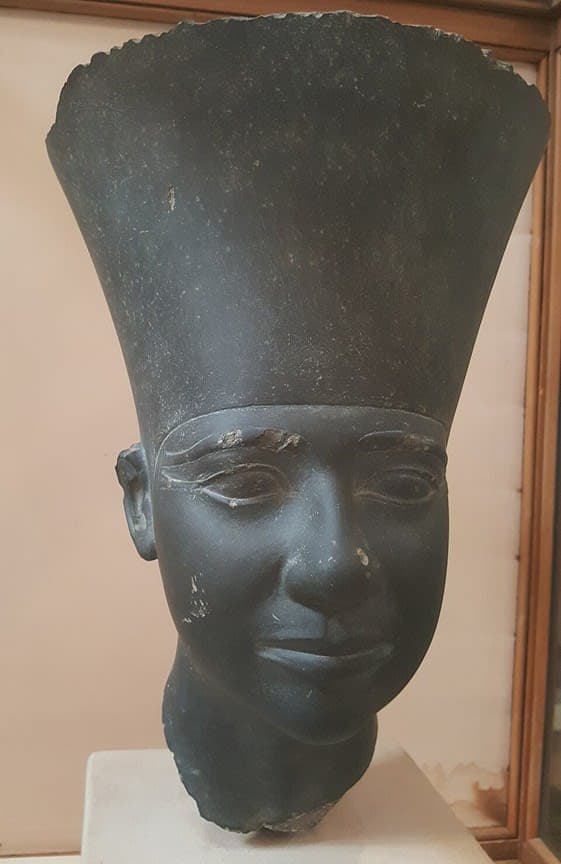
Userkaf’s reign was short — the Turin Papyrus assigns him only 7 years. Nevertheless, this period became a flourishing of a new style in art. A masterpiece of this era is considered the head of a statue of Userkaf made of graywacke, found at Abu Ghurab. The sculptor depicted the king without a beard, wearing the red crown of Lower Egypt, with barely visible painted mustaches, which gives the portrait remarkable realism and softness.
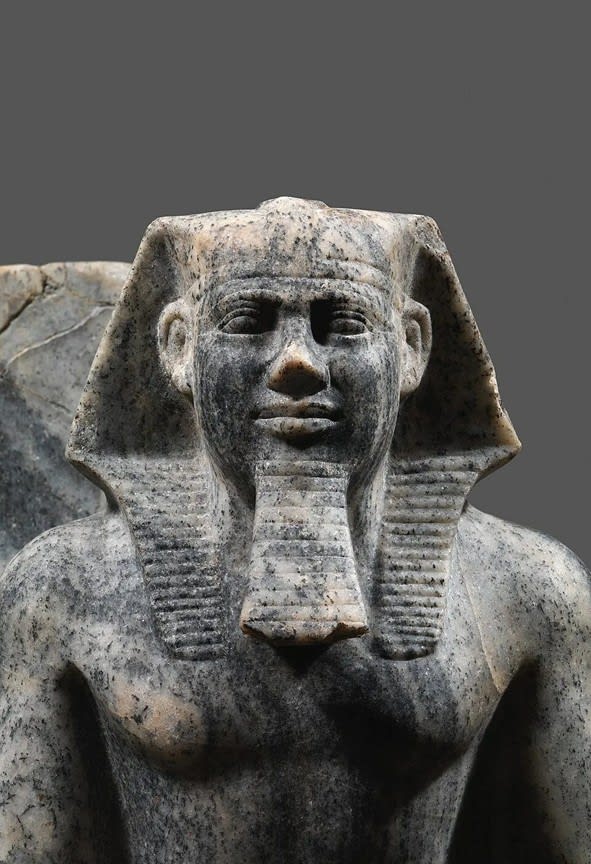
Userkaf remained in history as a ruler “beloved by the gods,” who successfully guided Egypt from the era of titanic construction to an era of spiritual service to the Sun. He strengthened the southern borders at the First Cataract of the Nile and left a prosperous state to his sons — Sahure and Neferirkare.


