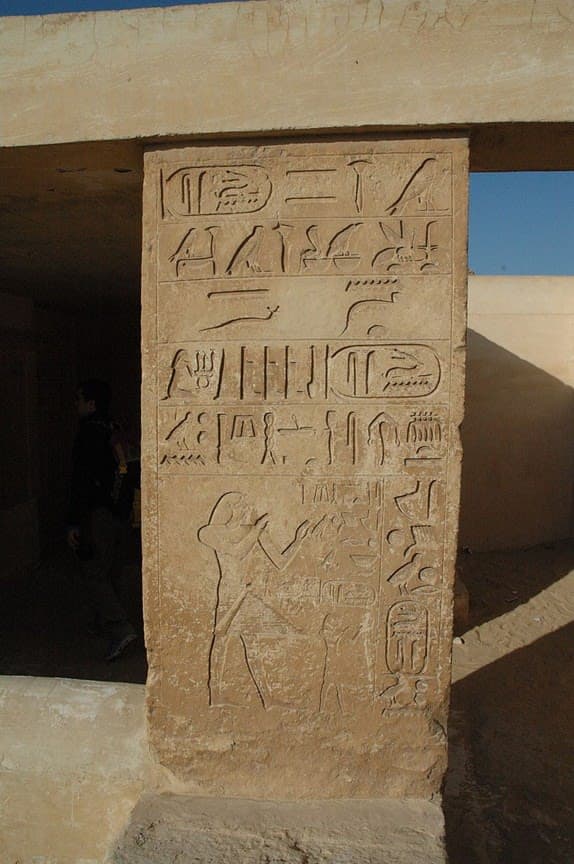
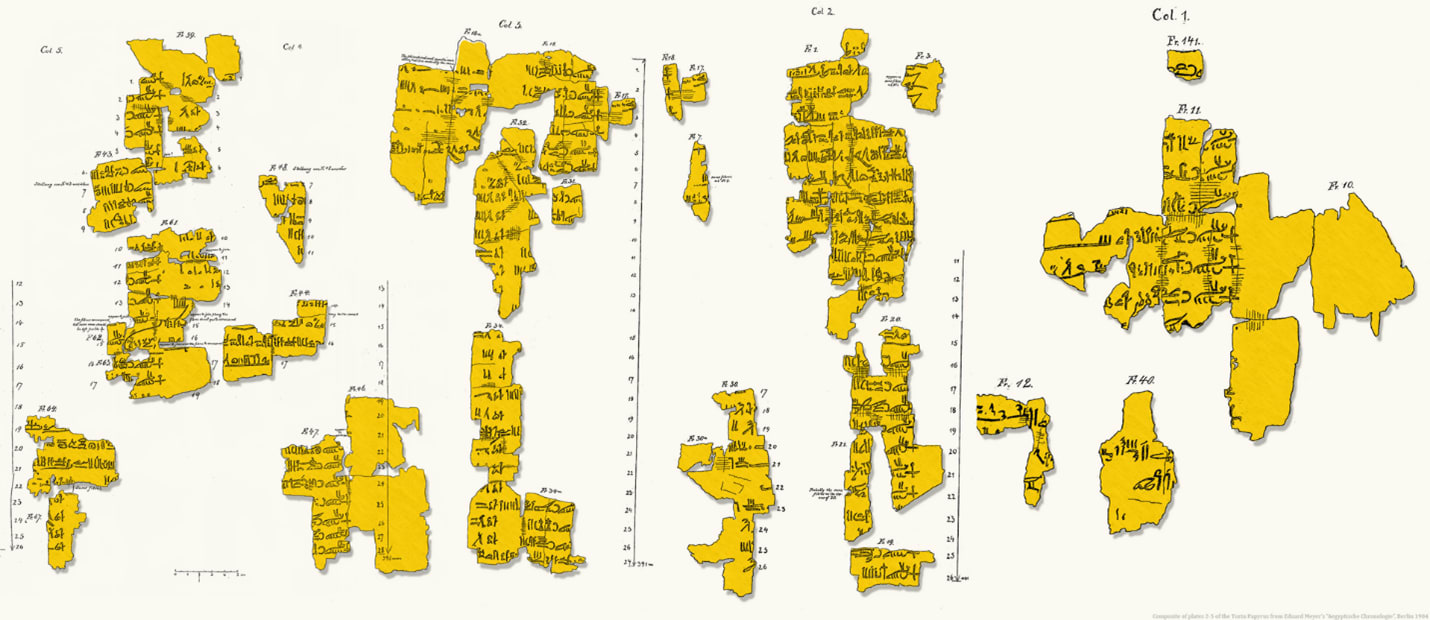
The question of how long exactly Unas held power over Egypt has turned into a real detective investigation. Manetho attributed to him 33 years of rule, and the Turin Papyrus — 30 years. However, modern archaeology introduces its own corrections, considering these figures exaggerated. The main argument of archaeologists is the records of the “cattle counts” — a kind of tax census. The latest attested date of Unas’s reign is the 8th count. Even if we assume they were conducted once every two years, we obtain about 16 years of rule.
Another strong argument in favor of a shorter reign is the fate of the official Nikau-Isesi. He began his career under Djedkare Isesi, outlived Unas, and died already under his successor Teti. If Unas had ruled for 30 years, Nikau-Isesi would have been a very old man, yet examination of his mummy showed that he was no more than 45 years old at the time of death. This leads historians to conclude that Unas’s reign was brilliant but not as long as ancient chroniclers believed.
Upon ascending the throne, the pharaoh adopted the Horus name Wadjtawy (“Prosperous in the Two Lands”), symbolizing the flourishing of Egypt under his rule. Although the authority of the pharaoh toward the end of his reign began to weaken noticeably under pressure from local nomarchs, Unas actively defended the interests of the country.
On the island of Elephantine, inscriptions survive in which Unas is called “lord of foreign lands,” indicating his control over trade routes through the cataracts of the Nile.
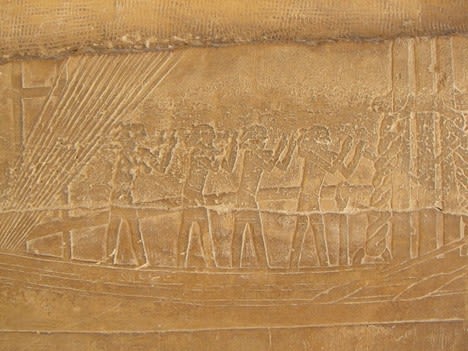
Evidence of brutal battles with nomadic Bedouins (Shasu) has been preserved. Reliefs from his funerary complex depict not only fighting but also boats filled with Asiatic captives.
An alabaster vessel bearing the name of Unas, found in distant Byblos in Lebanon, confirms that the authority of the Egyptian king was recognized far beyond the Nile Valley.
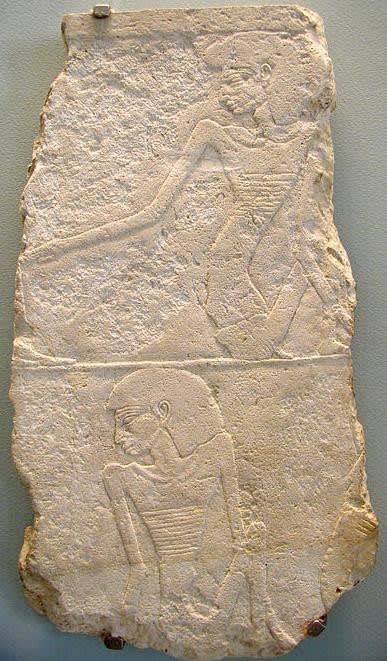
Of particular interest are unique reliefs depicting emaciated, starving Egyptians. This is an extremely rare subject for official art, suggesting that during his reign the country may have faced severe drought and famine.
Unas’s principal legacy was his pyramid at Saqqara. Although by size it was the smallest of the Fifth Dynasty (67 by 67 meters), its internal content permanently changed the history of religion. It was here that the “Pyramid Texts” first appeared in Egypt.
Before Unas, all spells had been recited orally by priests. Unas was the first to order the entire corpus of magical formulas to be carved directly onto the walls of the burial chamber. These texts, executed in elegant blue-green hieroglyphs, were intended to guarantee the king eternal life among the “imperishable stars.” In them the pharaoh appears as a powerful being who does not know death:
“The king has not died; he has become one who rises on the horizon… O high one among the imperishable stars! You shall never perish.”
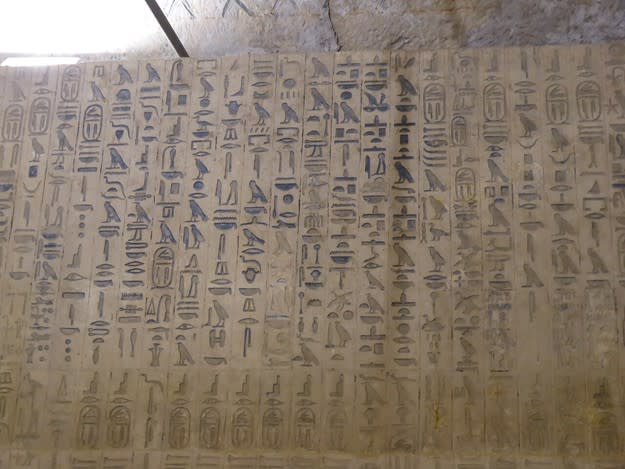
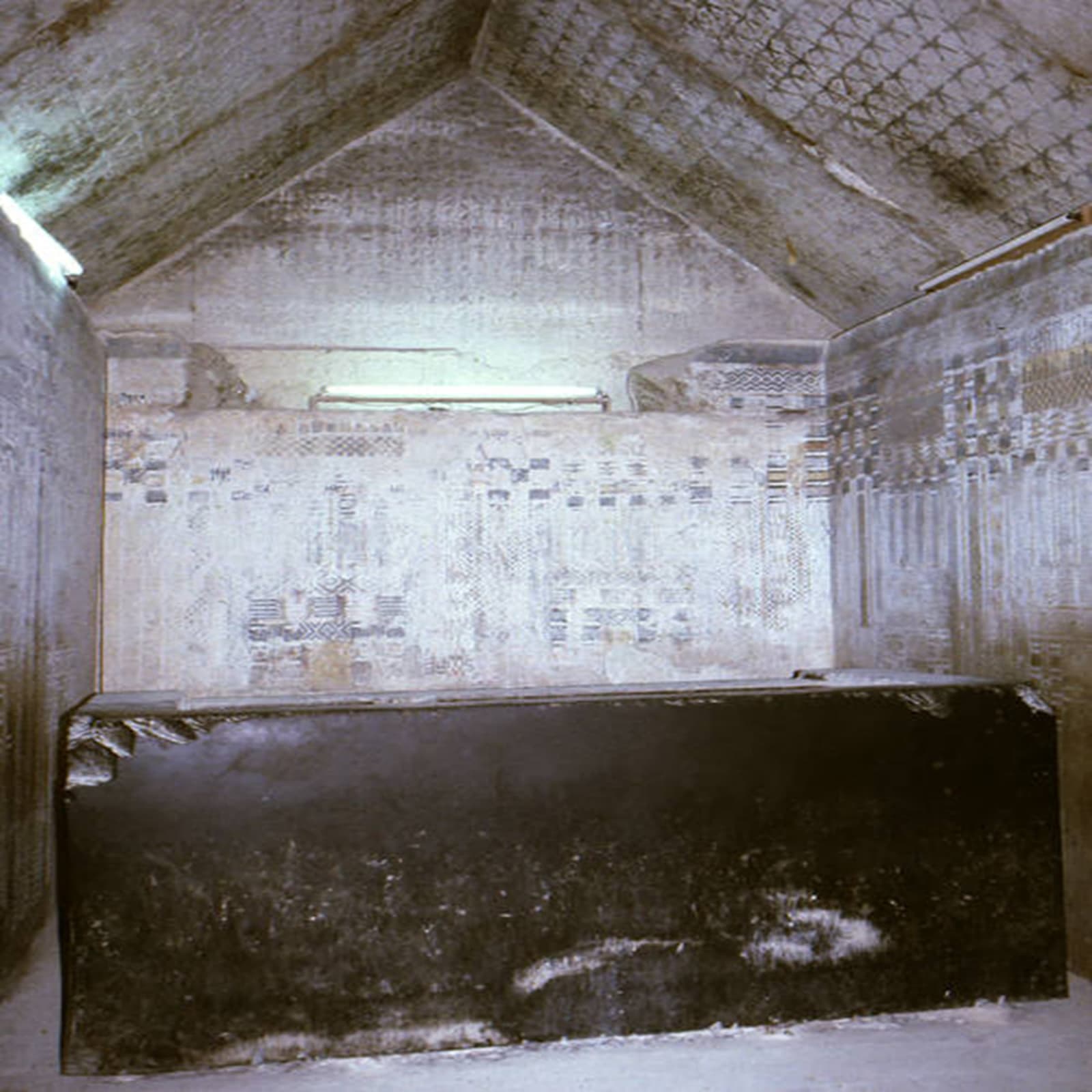
Inside the pyramid, despite its external ruin, the black basalt sarcophagus is perfectly preserved. Although robbers plundered the tomb in antiquity, archaeologists found fragments of bones and a right arm, which most likely belonged to the pharaoh himself.
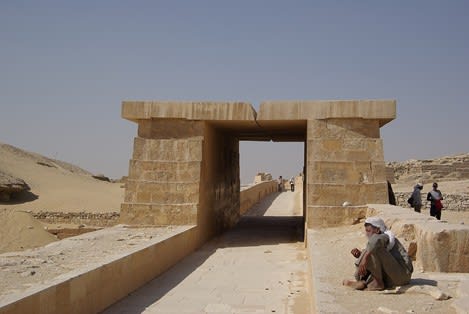
The funerary temple of Unas became a bridge between the traditions of the Fifth and Sixth Dynasties. Here old palm-form column capitals coexist with new architectural solutions, such as a hall with five niches for the five royal names.
The most impressive element of the complex was the paved causeway 670 meters long, connecting the valley temple with the upper pyramid. The walls of this causeway were a true stone encyclopedia of Egyptian life:
Scenes of hunting in the desert;
Transportation of enormous granite columns from Aswan by ship;
Workshops of sculptors and agricultural labor.
Interestingly, nearly a thousand years after Unas’s death, Prince Khaemwaset (son of Ramesses II) carried out a restoration of this monument, leaving an inscription on the southern side of the pyramid — one of the earliest pieces of evidence of cultural heritage preservation in history.
Unas became the last king of the Fifth Dynasty. In the Turin Papyrus his name is separated from subsequent rulers by red ink, which usually signified a change of dynasty or origin of the pharaohs. Nevertheless, there was no hostility or abrupt break between Unas and his successor Teti (founder of the Sixth Dynasty).
On the contrary, we see remarkable continuity: Teti’s wife, Queen Iput I, was apparently a daughter of Unas, and his vizier Kagemni retained his post under the new ruler. The death of Unas marked the final shift away from the cult of solar temples toward deeper and more mystical funerary rituals that would dominate Egypt for many centuries.


