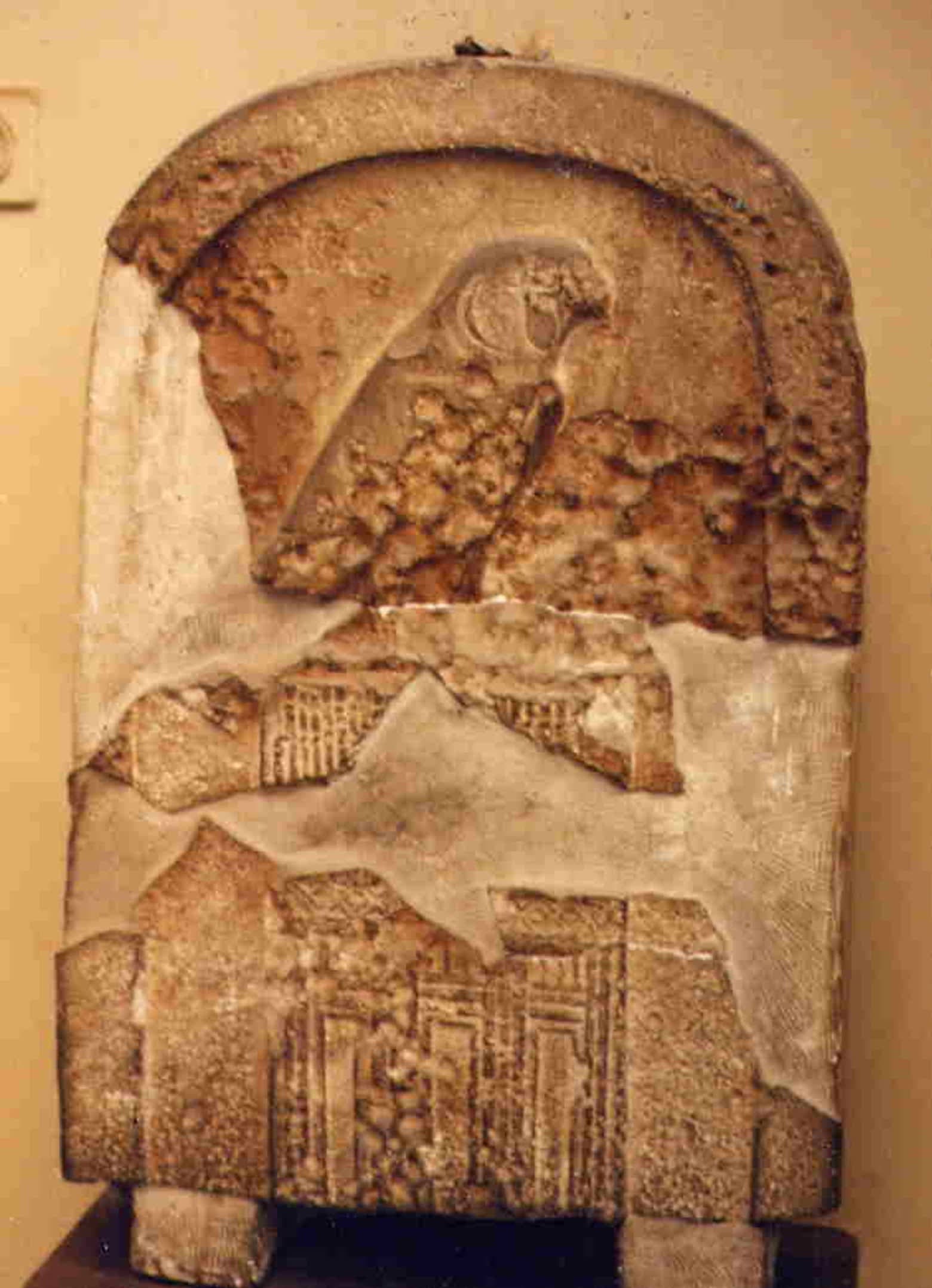

If Narmer laid the foundation and Hor Aha erected the walls of Egyptian statehood, then the third pharaoh of the First Dynasty — Djer — was the ruler under whom this young empire attained its true greatness and wealth. His reign, dating approximately to the turn of the 31st and 30th centuries BC, was marked not only by territorial expansion but also by an unprecedented flourishing of crafts and art.
In modern Egyptology this ruler is known by his “Horus name” — Djer. A single letter in the hieroglyphic spelling generated decades of scholarly debate. The eminent Soviet Egyptologist Yu. Ya. Perepelkin long sought the most accurate translation of the Egyptian word Dr. At first he provisionally rendered it as “Binder,” drawing a parallel with how the falcon Horus holds a sheaf of straw. Later the scholar proposed “Restrainer,” but ultimately settled on the concise Russian word “Grip,” while admitting that it only partially conveyed the deeper meaning of divine authority at that time. The German scholar Wolfgang Helck suggested the interpretation “Protector,” seeing in the hieroglyph not a bundle of straw but a kind of ritual apron characteristic of the scripts of the ancient city of Buto.

Determining the exact dates of a ruler from such remote antiquity is difficult. The chronological framework of his reign varies depending on the researcher: from about 3100 BC to later dates around 2870 BC (according to E. Hornung). However, most scholars agree that Djer occupied the throne for an exceptionally long period — about 41–47 years.
The principal information about his activities comes from the Palermo Stone and its Cairo fragment. These annals record the first ten years of his reign as a sequence of sacred rituals: “Service to Horus,” festivals in honor of the gods Sokar and Desher, and the “birth” (creation of statues) of Anubis, Thoth, and Neith. Notably, these records contain the earliest elements of future royal titulary: the name “Ni-nebu” (“Golden”) and the personal name “Iteti,” enclosed in a cartouche — a bold anachronism for that era that became standard only centuries later.

Djer was a determined warrior who sought to secure Egypt’s borders and control trade routes.
His forces advanced southward into Nubia as far as the Second Cataract of the Nile. Evidence of this is the famous rock inscription at Gebel Sheikh Suleiman (near Wadi Halfa). It depicts the king’s serekh before which stands a captive Nubian holding a bow, while another prisoner is tied to an Egyptian boat sailing above the bodies of fallen enemies.

The annals mention the “year of the defeat of the northeast.” It is believed that Djer’s expeditions reached the Sinai Peninsula, rich in copper and turquoise (ornaments of which were found in his tomb), and even southern Israel (En Besor), where traces of Egyptian presence have been discovered.
Djer’s reign became a “golden age” for early craftsmen. The level of material processing reached remarkable heights:
Metallurgy: Hundreds of copper tools — knives, saws, awls, needles, and chisels — were found in his tombs, indicating an industrial scale of metalworking.
Jewelry: A masterpiece of the era is a flint knife with a gold handle found at Abydos, as well as the first known three-dimensional royal statue from a temple on Elephantine.
Medicine: The priest Manetho referred to Djer by the name Atotis and claimed that the pharaoh was a skilled physician who even wrote treatises on anatomy. Ancient papyri from the time of Ramses II mention recipes for hair-growth remedies and treatments for diseases that trace back to the First Dynasty.
Following tradition, Djer built two tombs. The northern one, at Saqqara, is striking for its complexity: a deep burial chamber with seven storage rooms, decorated with niches and panels. Nearby was found the tomb of Queen Her-Neith, the probable consort of the pharaoh.
However, the southern burial at Abydos (Umm el-Qaab) became the site of one of the most somber rituals of antiquity. Around the king’s grave, archaeologists discovered 338 additional burials of servants and women from the harem, and nearby another 269 graves of courtiers. All were sacrificed to accompany their ruler in the afterlife.
In this same tomb archaeologists made an astonishing discovery: a mummified hand embedded in the wall, still wearing four magnificent bracelets of gold, lapis lazuli, turquoise, and amethyst. Tomb robbers, who had plundered royal vaults for centuries, for some reason left this treasure untouched. Later, in the Middle Kingdom, Djer’s tomb became a place of pilgrimage — Egyptians believed that it was the burial site of the god Osiris himself.

Djer left behind a powerful and economically prosperous state whose borders extended far beyond the Nile Valley, while its culture laid the groundwork for the future age of the great pyramids.


