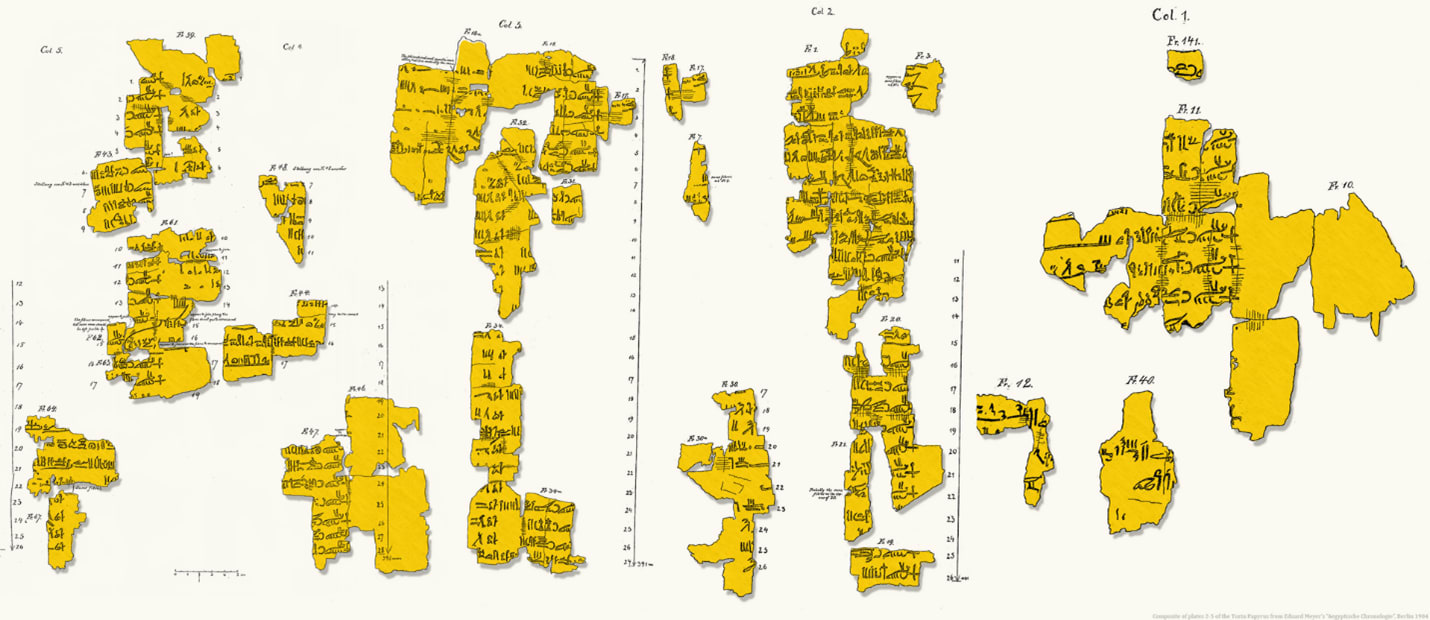
Determining the exact length of Djedkare Isesi’s reign remains a matter of scholarly debate, yet all sources agree that his era was long. The Turin Papyrus preserves only the ending of the figure — 8 years, which allows Egyptologists to suggest a reign of 28 or even 38 years. The ancient historian Manetho, who called him Tancheres, attributed to him as many as 44 years of rule. Archaeological evidence confirms these impressive figures: the latest recorded date refers to the “22nd cattle count,” which, under the traditional biennial cycle, yields 44 years of reign. An important indication of the pharaoh’s longevity on the throne is the celebration of the Heb-Sed jubilee, in honor of which an elegant alabaster vessel with an inscription was produced, now kept in the Louvre.
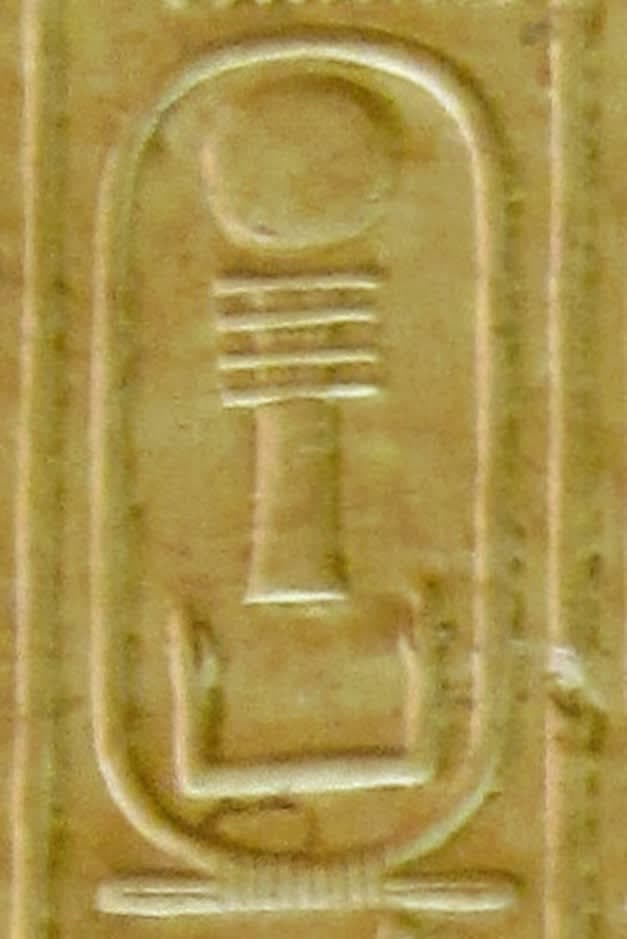
Djedkare Isesi entered history as a reformer of royal titulary. He became the first ruler to adopt the famous title Sa-Ra (“Son of Ra”), which was placed before his personal name Isesi. This emphasized the physical descent of the pharaoh from the solar god. His throne name, Djedkare, translates as “Enduring is the spirit of the sun god Ra,” while his Horus name was Djedkhau (“Enduring in his ascent”).
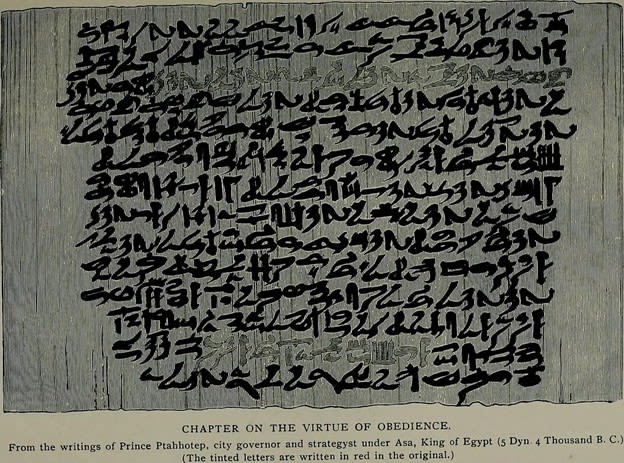
The era of Isesi is characterized by processes of decentralization, when local authorities began to gain increasing power. At the same time, one of humanity’s oldest philosophical works was created — “The Instructions of Ptahhotep.” It is believed that Ptahhotep, the chati (vizier) and possibly the pharaoh’s uncle, composed these teachings to cultivate wisdom and morality. The very appearance of such a work at Djedkare’s court indicates the high level of intellectual and cultural life of the time.

A special place in the history of his reign is occupied by Isesi’s connection with the Palermo Stone. Scholars suggest that these famous annals were extended precisely to the 7th year of his rule. Indirect confirmation comes from inscriptions in the tomb of the vizier Senedjemib, the “chief scribe of the royal archives.” In his records he quotes letters of the pharaoh written “with his own fingers,” in which Isesi praises him for constructing a special building in the palace — possibly the place where the stone slab with the chronicles of the ancestors was kept.
The foreign policy of Djedkare Isesi was remarkably active. The main efforts were directed toward the exploitation of natural resources:
Sinai Peninsula: At Wadi Maghara, reliefs depicting the pharaoh “smiting enemies” have been found. Expeditions numbering more than 1,400 people were sent to obtain copper and turquoise.
Port of Ayn Sokhna: On the shore of the Gulf of Suez, galleries and papyri have been discovered confirming active use of this port for maritime expeditions to the “turquoise mountains.”
Nubia and Punt: In the area of Tomas, graffiti with the cartouche of Isesi have been found, and from the inscriptions of the nobleman Harkhuf it is known that under Isesi an expedition was organized to the land of Yam (beyond the Third Cataract of the Nile). Under the leadership of the treasurer Baurded, a pygmy dwarf from Central Africa was brought to court — a legendary event remembered for generations.
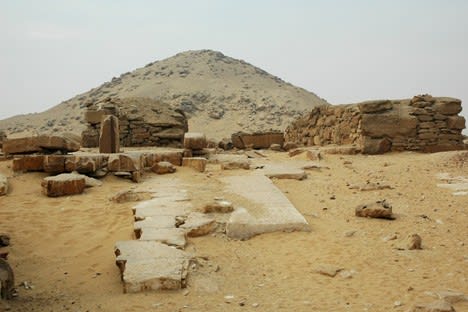
In architectural terms, Djedkare Isesi made a decisive move by transferring the site of his burial from Abusir back to Saqqara. His pyramid, named Nefer (“Beautiful”), is today known as Haram el-Shawwaf (“The Sentinel Pyramid”). With a base length of about 86.5 meters, it was the largest among the pyramids of the Fifth Dynasty.
In 1945, researchers Abd es-Salam and L. Varille entered the structure and found in a broken sarcophagus the remains of a mummy of a man aged 50–60 years. Radiocarbon analysis in the 1990s confirmed that the body indeed belongs to the Fifth Dynasty, and therefore very likely to Djedkare Isesi himself. Notably, the walls of his burial chamber did not yet contain magical texts; this tradition would begin only under his successor Unas.
An important religious change was the absence of a solar temple of his own. While his predecessors actively built sanctuaries in honor of Ra, Djedkare limited himself to restoration work at the temple of Sahure. This is associated with the growing popularity of the cult of Osiris, which began to displace the exclusive dominance of solar religion.
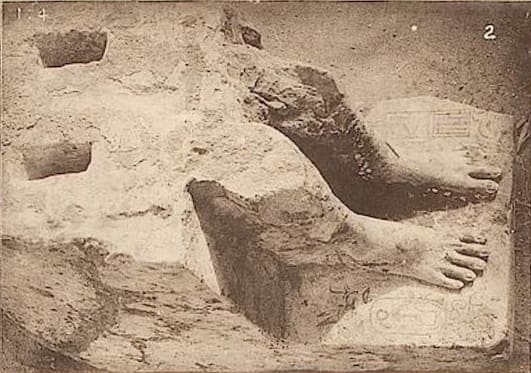
Very few sculptural images of this ruler have survived. The only known monument is a fragment of a seated limestone statue from the temple of Osiris at Abydos, discovered by Flinders Petrie in 1900. Unfortunately, only the lower part of the legs with the inscribed name of the pharaoh has been preserved. Nevertheless, the scale of his activity, recorded in stone and papyri, presents the image of a powerful and wise ruler whose contribution to the development of Egyptian civilization was felt for centuries.


