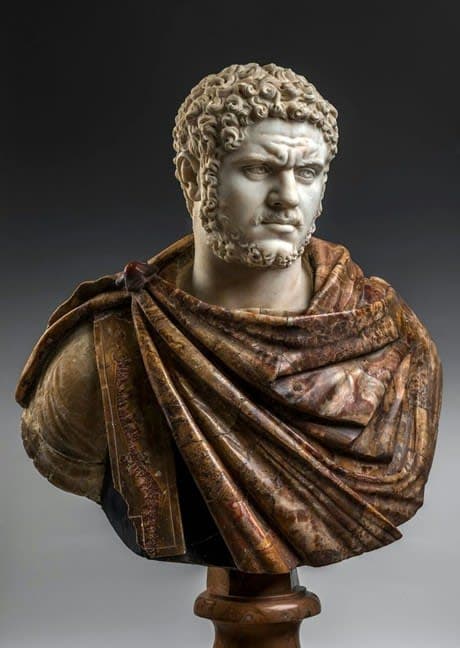

Marcus Aurelius Antoninus, better known by the nickname Caracalla, was born on April 4, 188 CE in the Gallic city of Lugdunum. The son of Emperor Lucius Septimius Severus and his second wife Julia Domna, he was given the name Bassianus at birth, which was changed in 196 CE to the more sonorous Marcus Aurelius Antoninus when his father proclaimed him Caesar. His nickname “Caracalla” (or “Caracallus”) came later because of his fondness for a Gallic hooded tunic which he wore during military campaigns. The garment became so popular among the Romans that it gave him his new name.
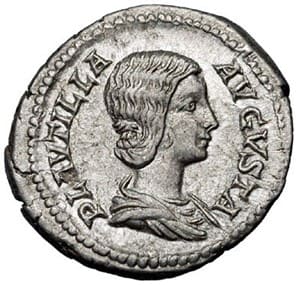
In January 198 CE, after the victory over the Parthians, Caracalla was proclaimed military tribune and Augustus. In 202 CE he became consul and, by his father’s will, married Fulvia Plautilla, daughter of the influential Fulvius Plautianus. Yet the marriage was unhappy: Caracalla hated both his wife and his father-in-law and, apparently, he himself was behind Plautianus’s assassination in 205 CE. Freed from his influence, Caracalla became even more debauched and willful.

From early childhood, there was irreconcilable enmity between Caracalla and his younger brother Publius Septimius Geta, which was further inflamed by courtiers. In 208 CE, to remove his sons from the corrupt atmosphere of Rome, their father Septimius Severus took them on a campaign to Britain to suppress a revolt of the barbarians.
Caracalla accompanied his father as far as northern Caledonia, sometimes commanding troops himself, but his sole goal was to seize supreme power. He persecuted Geta, slandered him, tried to stir mutiny in the army, and even once raised his sword against his father. It was rumored that he hastened the death of Septimius Severus by poisoning him on February 4, 211 CE.
Despite this, the army, remembering Severus’s will, proclaimed both brothers emperors. Caracalla immediately made peace with the Caledonians and returned to Rome with his father’s ashes. Yet on the journey, the hostility between the brothers flared up again. In Rome, each had his own bodyguard and entourage. They even considered dividing the empire, but their mother Julia Domna opposed the idea.
Caracalla’s plans to eliminate his brother repeatedly failed until December 26, 211 CE, when he asked his mother to invite both sons to her chambers for a reconciliation. There, before the horrified Julia Domna, Caracalla’s centurions stabbed Geta to death. He died in his mother’s arms. Caracalla justified the murder by claiming that Geta was plotting a conspiracy and that he had acted in self-defense.

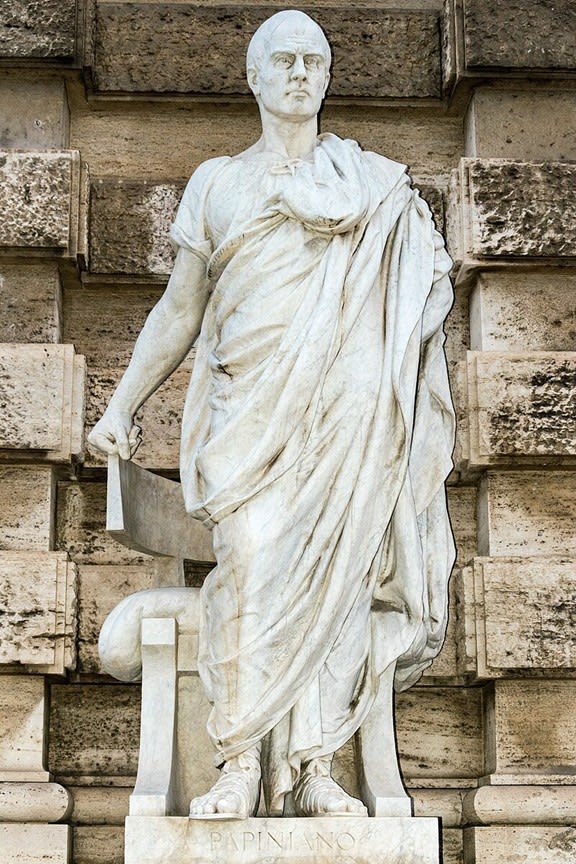
Immediately after the killing, to secure the army’s loyalty, Caracalla fled to the military camp and allowed the soldiers to plunder the treasures accumulated by his father. In return, they proclaimed him sole emperor. All supporters of Geta, including about twenty thousand soldiers and courtiers, were executed. Among those killed was the famous jurist Papinian, a friend of Septimius Severus. When Caracalla asked him to defend the fratricide before the Senate, Papinian replied: “To justify a murder is no easier than to commit one.”
In 212 CE, Caracalla issued the famous Edict of Caracalla (Constitutio Antoniniana), granting Roman citizenship to all free inhabitants of the empire. The decree pursued primarily fiscal aims to expand the tax base and increase the number of citizens eligible for service in the legions.
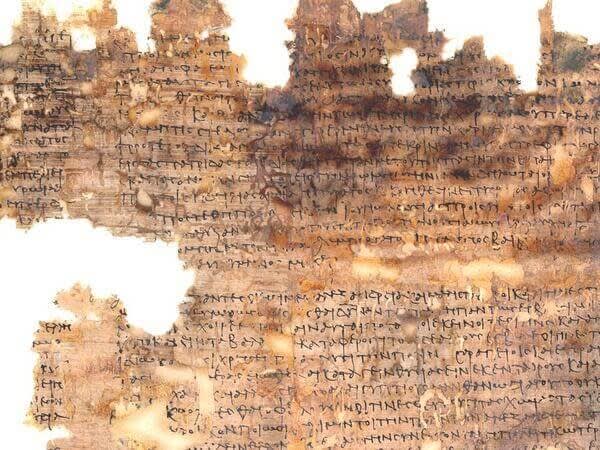
Caracalla’s sole rule was marked by cruelty and financial extortion. He raised taxes, especially on senators, and constantly sought new sources of revenue. In Gaul he fought inglorious wars against the Alemanni, yet assumed the grand titles Germanicus and Alemannicus. In Dacia he campaigned against the Sarmatians and Getae, but soon abandoned the province to its fate and moved into Thrace.
From then on, his actions took on an almost grotesque character: he began imitating Alexander the Great, though only to plunder the population. In Pergamum he sought healing from the god Asclepius, in Ilium he paid homage to Achilles. In 214–215 CE he treacherously captured Abgar, king of Osroene, and annexed his kingdom. In Alexandria, he ordered a bloody massacre, taking revenge on its citizens for mocking his fratricide and for rumors about an incestuous relationship with his mother.
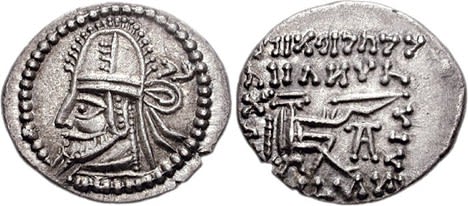
Caracalla then demanded that the Parthian king Artabanus V give him his daughter in marriage. When refused, he ravaged the country, desecrated the royal tombs, and scattered the ashes of the Parthian kings. Artabanus agreed to make peace, but during a banquet Caracalla ordered his soldiers to attack the Parthians; the king escaped with only a few companions.

After this treacherous Parthian campaign, Caracalla sent envoys to the Senate announcing his “victories,” for which he received the title Parthicus Maximus (“The Greatest Parthian Conqueror”). Yet his cruelty and desecration of tombs provoked the Parthians to raise a great army. Realizing the danger, the praetorian prefect Macrinus, wishing to avert a new war, organized a conspiracy against the emperor.
On April 8, 217 CE, while traveling from Edessa to Carrhae, Caracalla stopped by the roadside to relieve himself. A soldier named Justin Martialis approached him and stabbed him to death. Three days after his twenty-ninth birthday, Caracalla died. That same day, Macrinus declared himself emperor.

From Caracalla’s reign have survived the grand ruins of the Baths of Caracalla (Thermae Antoninianae). Interestingly, though a devoted adherent of the cult of Isis, Caracalla persecuted Christians far less than his father did. Leaving no descendants, he remained in history as a cruel tyrant whose rule, in the opinion of many historians, became one of the primary causes of the third-century crisis in the Roman Empire.


