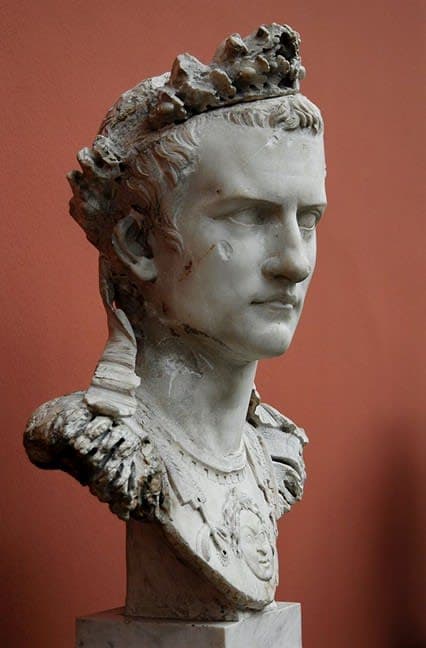
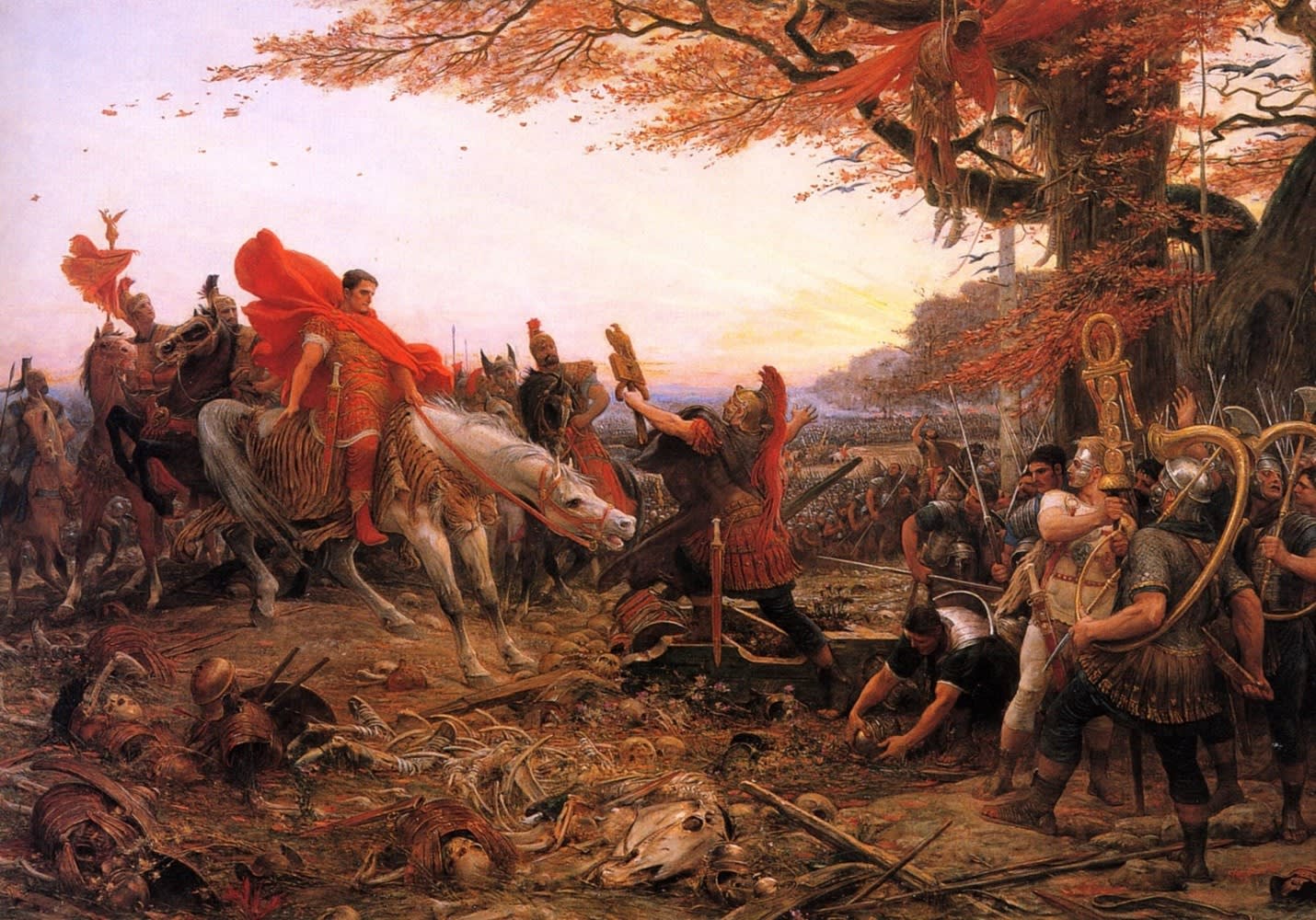
Gaius Julius Caesar Germanicus, better known by the nickname Caligula, was born on August 31, AD 12, to Germanicus and Agrippina the Elder. His father Germanicus was a grandson of the first emperor, Octavian Augustus, and his mother his biological granddaughter. Thus, Caligula was related to two great Roman dynasties, the Julii and the Claudii.
He spent the first years of his life in military camps in Germany, where his father commanded the legions. It was there that the soldiers gave him the nickname “Caligula” (“little boot”) because he often dressed up in miniature soldiers’ gear. Although the legionaries liked the nickname, he himself later emperor detested it.
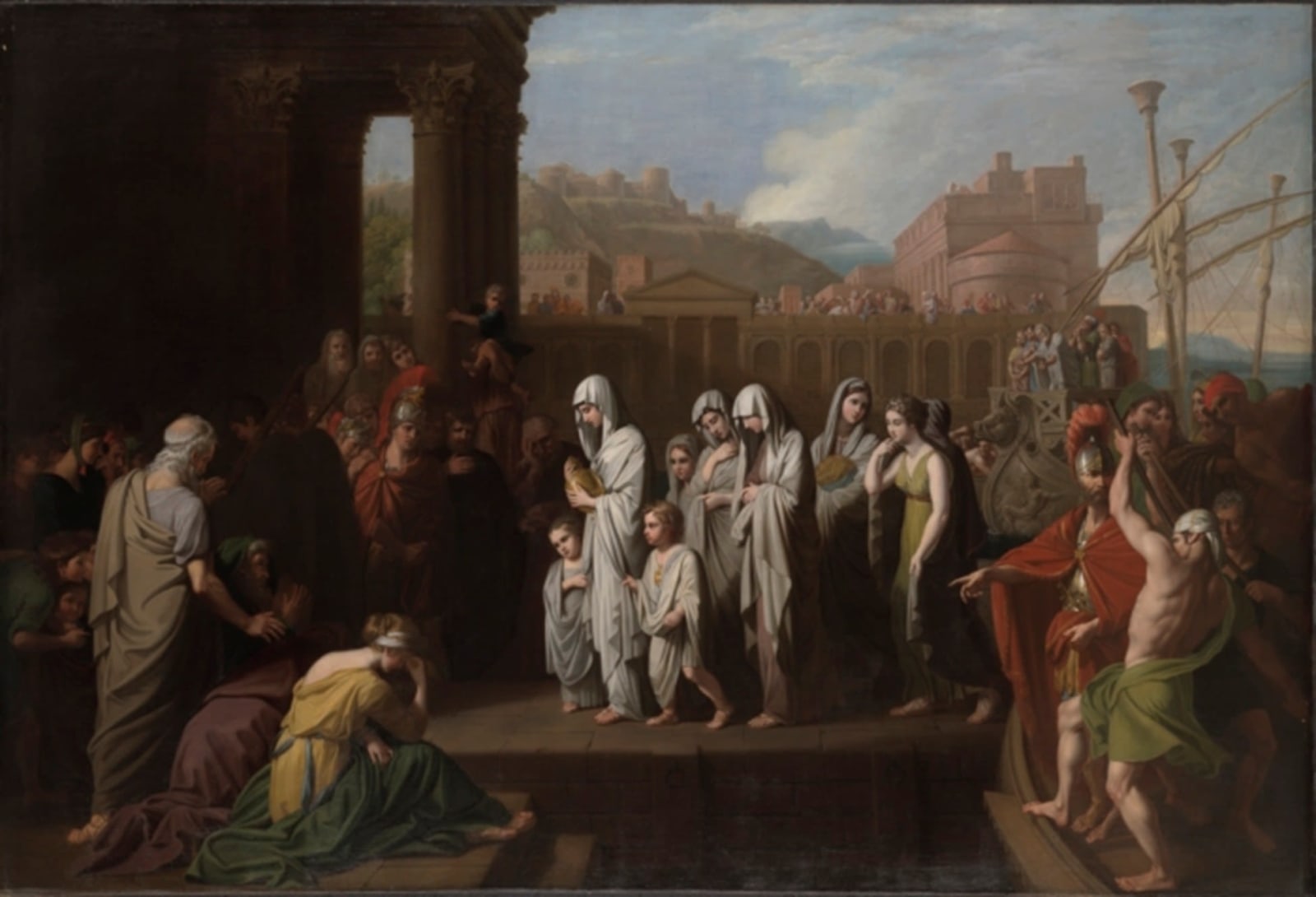
In 17, Germanicus returned to Rome with his family to celebrate a triumph. Soon after he was sent East on an important diplomatic mission, where, in 19, he suddenly fell ill and died in Syria. Before his death he was convinced he had been poisoned by the governor of Syria, Gnaeus Calpurnius Piso, and his wife possibly at the behest of Emperor Tiberius. The death of Germanicus, who was very popular with the people, was one of the central tragedies of Caligula’s life. His mother, Agrippina, returned to Rome but faced the hostility of Tiberius, who considered her too domineering.
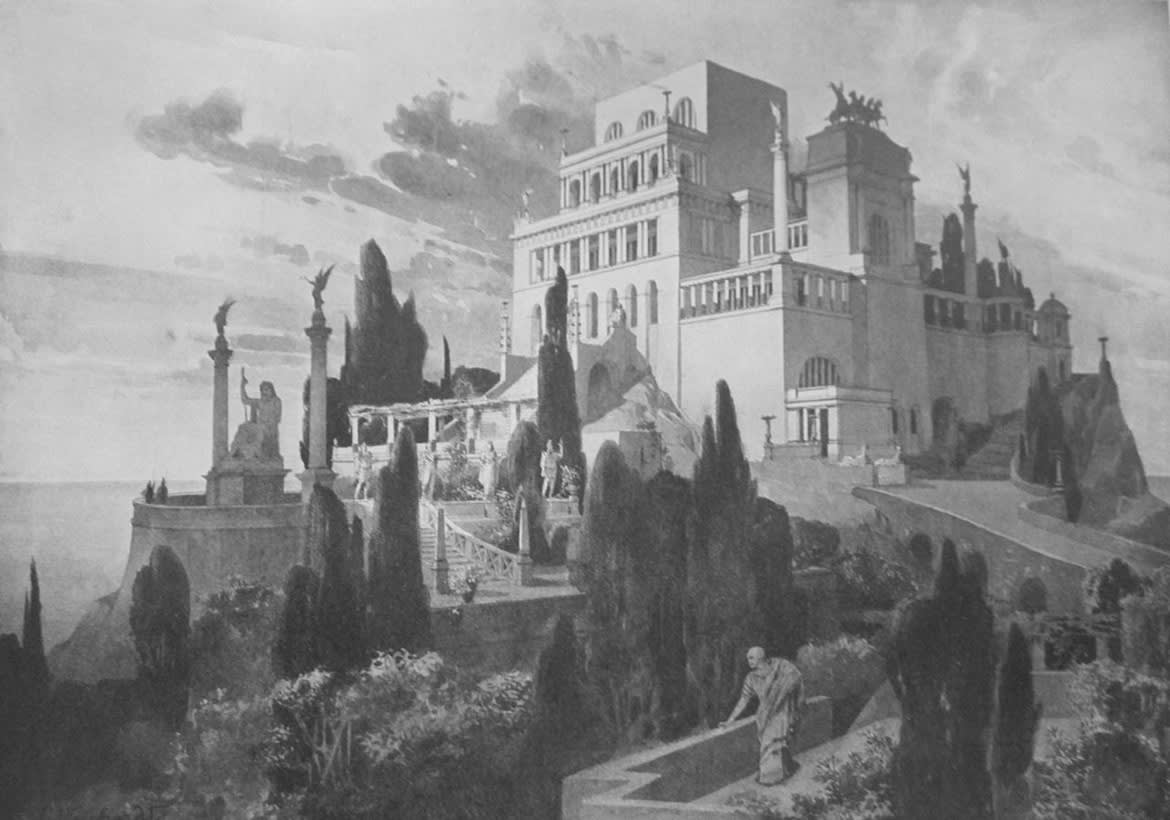
In the following years Caligula and his family became victims of political intrigue. After the death of Tiberius’s son, Drusus the Younger, the praetorian prefect Lucius Aelius Sejanus, who sought power, began eliminating potential heirs. At his instigation Caligula’s mother and elder brother were exiled in 29, and later his middle brother was imprisoned.
Caligula was saved from Sejanus’s repression only by the intercession of his great-grandmother Livia, the widow of Augustus, who wielded immense influence. After her death in 29, Caligula moved into the house of his grandmother Antonia Minor, who later helped expose Sejanus’s conspiracy.
In 31, Tiberius then withdrawn to the island of Capri summoned Caligula to him. This decision was likely driven by the emperor’s desire to protect the last of Germanicus’s descendants from Sejanus. On Capri, Caligula continued his education under Tiberius’s personal supervision. Ancient authors note that on the island Caligula hid his vices to please the emperor, but after gaining power revealed them fully.
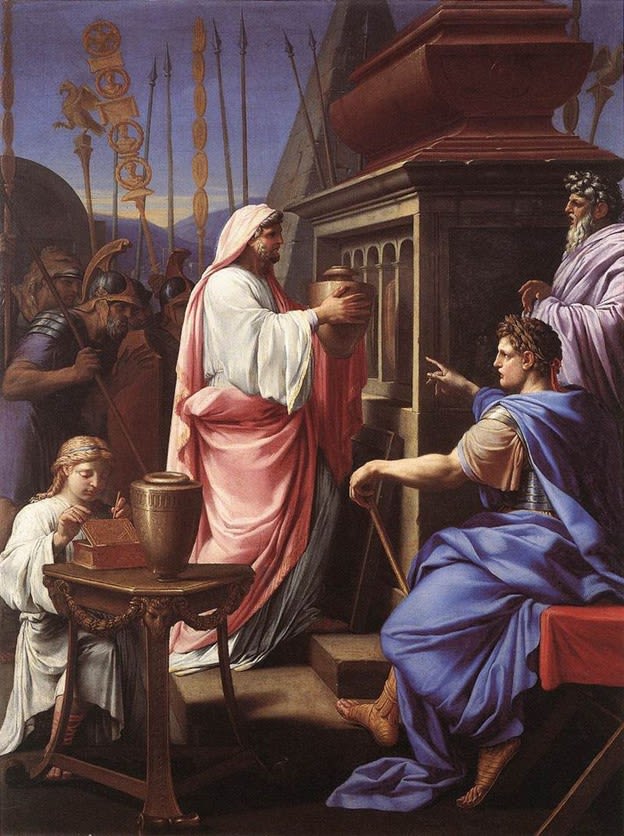
Soon Tiberius, having received information from Antonia Minor, uncovered Sejanus’s plot, and the prefect was executed. The new prefect, Macro, also sought power and began courting Caligula’s favor.
The deaths of Caligula’s elder brothers and his adoption by Tiberius made him one of the main contenders for the throne. The other candidate was the minor Tiberius Gemellus, son of Drusus the Younger. In 35 Tiberius drew up a will naming both heirs in equal measure, creating the danger of dual power a decision still debated by historians.
In March 37, when the 77-year-old Tiberius fell gravely ill, the praetorian prefect Macro moved to ensure a transfer of power to Caligula. He secured the support of the legions and senators and, according to some rumors, took part in killing the dying emperor.
On March 18 the Senate convened in an emergency session, declared Tiberius’s will invalid, and transferred all power and inheritance to Caligula. Unlike his predecessor, who became emperor after prolonged hesitation, Caligula immediately received all the key titles and powers—those of Augustus, tribune, pontifex maximus, and pater patriae.
At the start of his reign, Caligula behaved as a pious and moderate ruler. He brought the remains of his mother and brothers to Rome and buried them in the Mausoleum of Augustus. To avoid conflict, he adopted Tiberius Gemellus but gave him only the hollow title of “Prince of Youth.” These acts, together with his tactful treatment of the Senate, won him enormous popularity in Rome and the provinces, which placed great hopes in him.
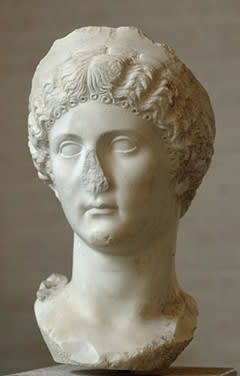
Early in his reign, Caligula pursued a moderate policy, seeking to win over Senate and people. He understood that as a young and inexperienced ruler he needed support.
Unlike his predecessors, Caligula regularly held the consulship in 37, 39, 40, and 41. This departed from Augustus’s unwritten traditions, but for Caligula it was a way to boost his authority and compensate for his political insignificance before coming to power.
One of his first measures was to repeal the unpopular law of treason (lex de maiestate), which his predecessor Tiberius had used against opponents. Caligula had personal reasons: that very law had caused the exile and deaths of his mother and brothers. He proclaimed an amnesty for all convicted under it and publicly burned all documents relating to such cases in the Forum. Historians suspect, however, that he burned only copies and kept the originals.
Caligula also introduced a number of reforms affecting the Senate. He restored the traditional order of speaking during votes, which some see as a way to prevent senators from toadying by merely echoing the emperor’s opinion. He also allowed the publication of reports on the state of the empire, which Tiberius had forbidden.
At the end of 37 Caligula suddenly fell gravely ill. This illness became a turning point in his rule. Ancient authors claim it changed his behavior and policy. People in Rome and the provinces sincerely prayed for his recovery and offered sacrifices. After recovering, Caligula unlike Augustus, who was often ill as well insisted that these vows be fulfilled, which led to the deaths of some citizens.
Immediately after his recovery Caligula acted more harshly. He accused his cousin and co-heir Tiberius Gemellus of conspiracy and forced him to commit suicide. Later, in 38, he ordered his father-in-law Marcus Junius Silanus to take his own life.
In 38 his beloved sister Drusilla died. Caligula was inconsolable and arranged posthumous honors for her, making her the first woman officially deified in the Roman pantheon. Her cult was linked to that of Venus, patroness of the Julian house.
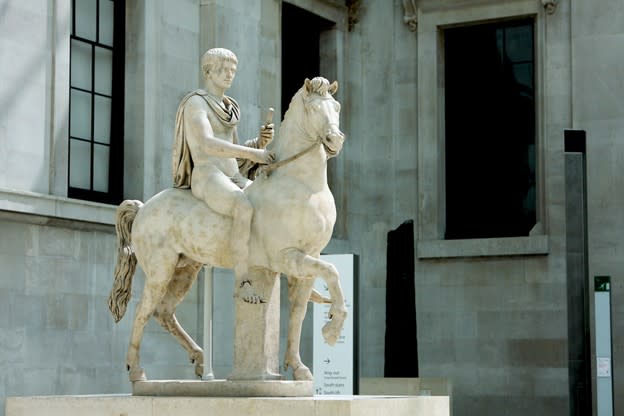
That same year Caligula restored to the people the right to elect certain magistrates, which Tiberius had removed. It is supposed this was an attempt to shift some of the costs of staging spectacles from the treasury to private individuals. The reform did not take root, as Romans had grown unaccustomed to genuine elections; in 40 Caligula returned to the former system of approving magistrates in the Senate.
Caligula’s reign was marked by a series of unpredictable and eccentric acts. In 39 he created a constitutional crisis by departing for Germany while his colleague-consul died. As a result, the Senate was paralyzed for twelve days, since it could not convene without the highest magistrate.
One of the most famous episodes probably exaggerated by ancient historians is the story of his favorite horse Incitatus, whom Caligula supposedly planned to make consul. Modern scholars tend to see this as a joke meant to mock the senators and show that he could make anyone consul.
Supposedly in 39 he ordered a floating bridge built across the Bay of Naples and galloped over it in a chariot. This was likely an attempt to impress his subjects and, according to one version, to refute a prophecy that he would never become emperor.
In September 39 Caligula abruptly left Rome and headed for the Rhine. This unexpected departure was probably connected to a conspiracy reportedly brewing on the Rhine frontier among powerful commanders, including Gnaeus Cornelius Lentulus Gaetulicus. Wishing to catch the conspirators off guard, Caligula covered nearly 1,500 kilometers in forty days. On arrival he immediately dealt with Gaetulicus and others involved, and also with two of his sisters who, it turned out, were implicated.
Caligula then went to Lugdunum (modern Lyon), the most important city in Gaul. He spent several months there staging large-scale gladiatorial games, chariot races, and rhetorical contests. Suetonius writes that losing rhetoricians were forced to wipe their compositions with a sponge or with their tongues something seen as yet another display of the emperor’s madness. Some researchers, however, think this was part of Gallic customs or simply one of Caligula’s jokes.
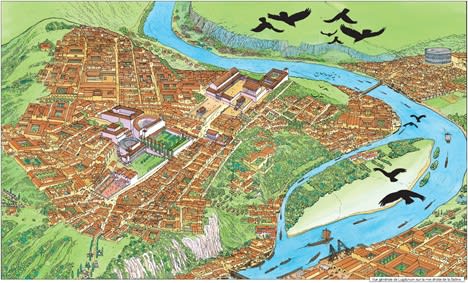
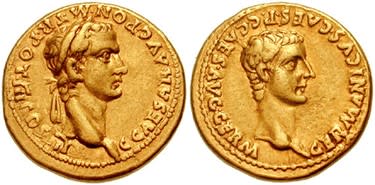
While wintering in Lugdunum, Caligula received embassies from across the empire. He auctioned off his sisters’ property for vast sums and promised Roman citizenship to inhabitants of several Gallic cities, which strengthened their loyalty.
After the winter Caligula moved north to the Pas-de-Calais to prepare an invasion of Britain, but for unclear reasons abandoned it. He returned to Rome in 40.
After returning from Gaul, Caligula completed a reshuffle of his inner circle. His chief advisers now became the Greek freedmen Callistus and Protogenes, as well as his fourth wife, Caesonia. According to Cassius Dio, Protogenes kept special books called “The Sword” and “The Dagger,” where he recorded senators’ behavior and proposed punishments.
In the autumn of 40, a new conspiracy was uncovered, led by four senators. Seneca and Cassius Dio write that Caligula personally watched the torture of the conspirators and their relatives and then ordered them executed. During this period he began to trust his closest associates less and less, which ultimately led to a plot within his own bodyguard.
Alarmed by constant conspiracies, Caligula increased the size of the praetorian guard from nine to twelve cohorts and strengthened his personal security, underscoring his growing paranoia and distrust of the Senate.
Ancient authors paint a portrait of Caligula as extraordinarily extravagant, allegedly driving the empire to bankruptcy. Modern historians refute this. At his death the treasury held enough for the next emperor, Claudius, to pay generous rewards to the praetorians.
Caligula did spend heavily. He paid out large sums under the wills of Tiberius and his wife Livia. Much money went to building works in Rome and the provinces and to games and spectacles. Yet his expenses were not meaningless: large building projects created jobs, while cash distributions stimulated the economy. He even abolished the sales tax introduced by Augustus, which wealthy Italians welcomed.
In 40, however, Caligula introduced a number of new, extremely unpopular taxes. He levied taxes on all foodstuffs, on legal proceedings, on porters’ earnings, and even on prostitutes. Though new to Rome, such measures had long existed in Egypt, suggesting Egyptian financial practices influenced the emperor.
Bequests became a special source of revenue. Suetonius claims he forced wealthy subjects to bequeath part of their property to him; if they refused, he hired false witnesses and confiscated their estates. He also held massive auctions, selling off his sisters’ property and then palace valuables, which brought in huge income.
In coinage Caligula moved the main mint to Rome and tried to adjust the complex multi-metal system of denominations, though his successors abandoned most of these innovations.
Despite his short reign, Caligula left a notable mark on Roman construction. Unlike Tiberius, he was an active builder, and his projects aimed not only to adorn the city but also to serve practical needs.
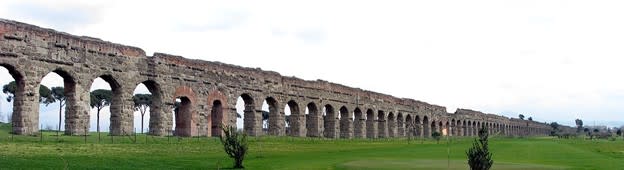
In Rome he began construction of two new aqueducts, the Aqua Claudia and the Anio Novus, to improve the capital’s water supply. To address disruptions in the grain supply he expanded the harbor at Regium, and he also rebuilt the Mamertine Prison.
Caligula was a great lover of spectacles. He laid out a new amphitheater and a circus on the Vatican Field (a hippodrome), for the adornment of which he ordered a huge obelisk brought from Egypt. Set up in the center of the circus, that obelisk now stands in St. Peter’s Square in the Vatican.
He also expanded Tiberius’s palace on the Palatine Hill, adding extensions that connected with the Temple of Castor and Pollux, allowing him to use the temple as a gateway into the palace.
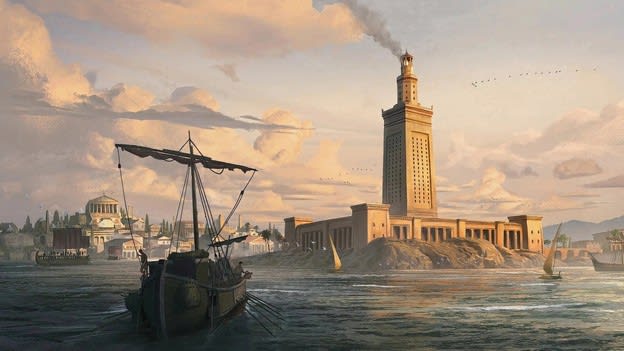
Caligula paid great attention to transport infrastructure. He strictly monitored the condition of the roads and punished overseers severely if they failed in their duties. In preparation for the invasion of Britain he ordered a stone lighthouse built at Boulogne, meant to rival the Lighthouse of Alexandria.
The evidence on Caligula’s foreign and provincial policy is highly contradictory. Some historians see his rule as chaotic and inconsistent; others as fairly reasonable, since many of his decisions were continued by his successors.
One important measure was opening the equestrian order to provincials, which helped integrate the elites of conquered peoples into Roman society.
In the Balkans and Asia Minor Caligula restored the power of client kings who were his friends. He gave Thrace to Rhoemetalces, Pontus and the Bosporus to Polemon, and Lesser Armenia to Cotys. Though influenced by personal ties, these decisions continued Augustus’s policy of using dependent rulers where it benefited Rome.
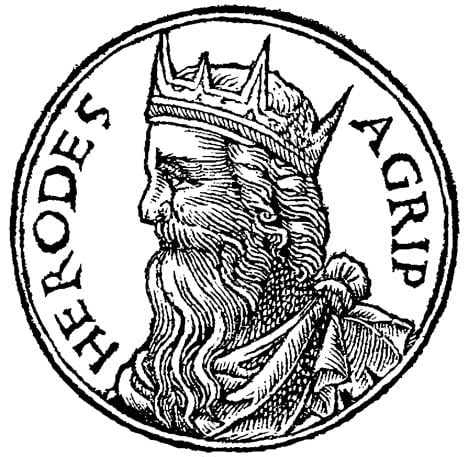
In the eastern Mediterranean Caligula acted unpredictably. He supported the Nabataean king Aretas IV and his friend Herod Agrippa, provoking conflict with other rulers in the region.
The most dramatic episode of his rule in this region was his conflict with the Jews. After they destroyed an altar dedicated to the emperor, he ordered the governor of Syria, Publius Petronius, to set up his statue in the Temple in Jerusalem. Understanding this would spark a revolt, Petronius delayed execution of the order as long as possible. Thanks to Herod Agrippa’s intervention, Caligula eventually rescinded the command.
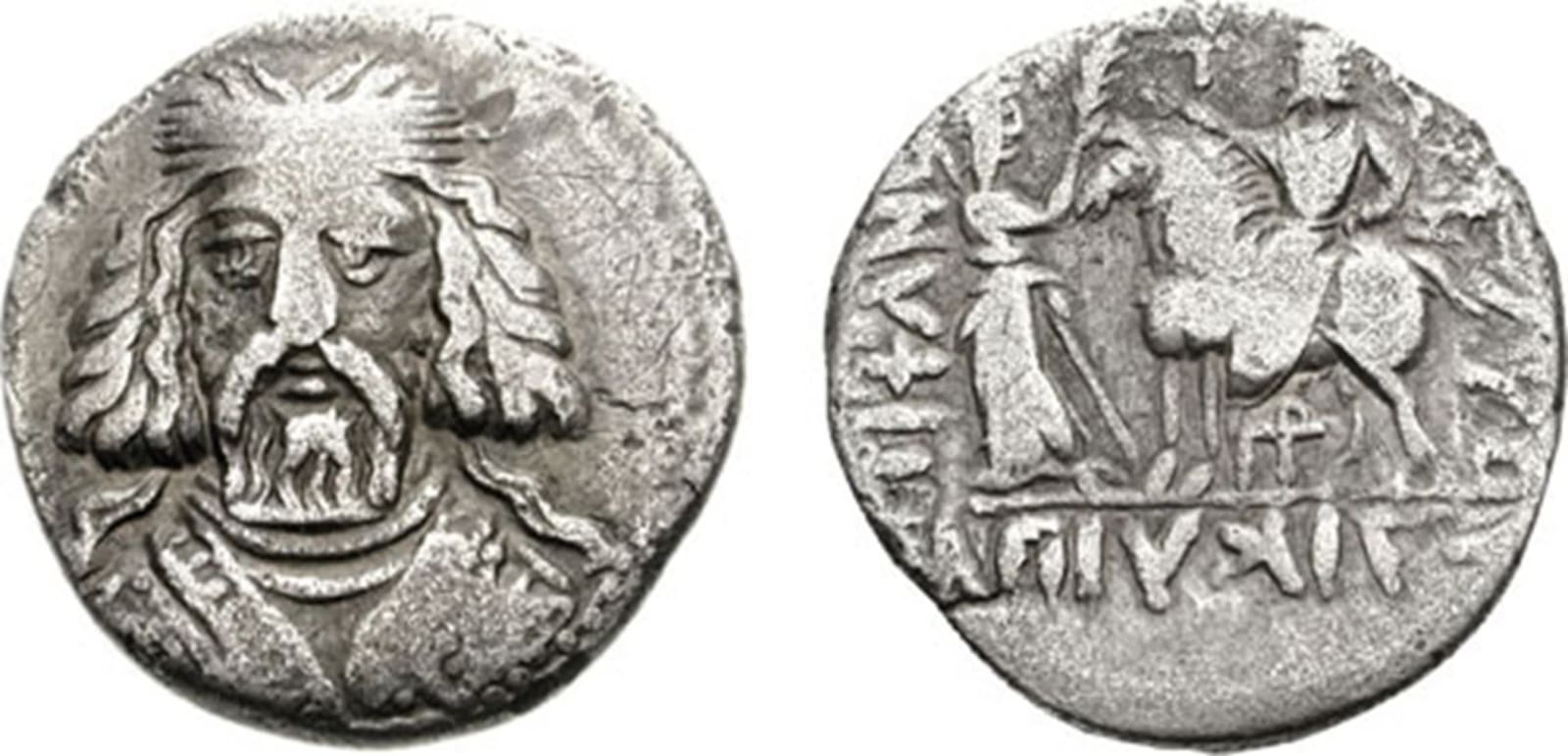
In relations with Parthia Rome’s main rival Caligula showed diplomatic skill. He secured peace with the Parthian king Artabanus III, who, as a sign of respect, sent his son to Rome as a hostage. This allowed Rome to secure its eastern frontier and prepare for future conquests in the north.
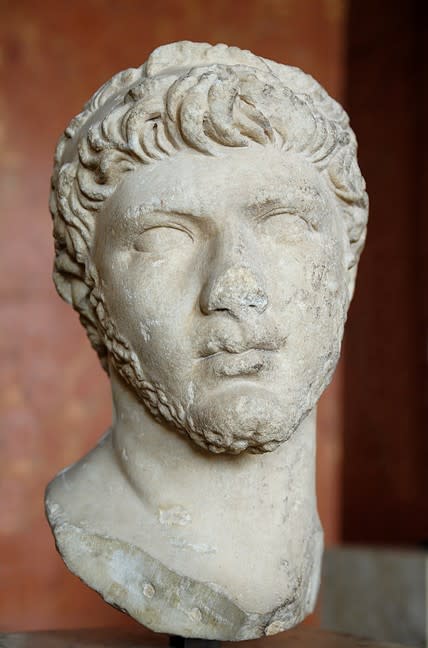
In 40 Caligula expanded the empire’s borders in North Africa by executing Ptolemy, the ruler of Mauretania whom he had invited to Rome, and annexing his domains. The reasons for Ptolemy’s execution he was a distant relative of the emperor remain unclear and are disputed by historians.
The most widespread version, supported by Cassius Dio, holds that the motive was Ptolemy’s wealth. Another version, from Suetonius, claims Caligula flew into a rage when he saw Ptolemy wearing a beautiful purple cloak purple being a symbol of royal power and thus an affront to the emperor’s dignity. A third links the execution to fears that Ptolemy, as a descendant of the Egyptian dynasty, could become a rival.
Even so, the annexation of Mauretania was a rational move. It enabled Rome to protect the province of Africa from the west and control grain supplies. It was also logical, since Roman colonies already existed in the region and were administered from Spain. However, Ptolemy’s execution sparked an anti-Roman uprising led by Aedemon, which was suppressed under the next emperor.
An important step by Caligula was transferring command of the legion in the province of Africa to his legate, thus depriving the Senate of control over its last remaining legion. This was another step toward centralizing power.
In September 39, after dismissing the consuls, Caligula suddenly went to the Rhine. Ancient sources such as Suetonius and Cassius Dio describe this German campaign as chaotic and unsuccessful. Modern historians nevertheless try to find some rational basis in his actions.
The historian John Balsdon suggests Caligula had long planned the conquest of Germany and Britain and that his abrupt departure was prompted by reports of a conspiracy involving the commander of Upper Germany, Gnaeus Cornelius Lentulus Gaetulicus. Upon reaching the Rhine, Caligula immediately dealt with the conspirators and then set about restoring discipline in an army that had long seen no major wars.
For the northern campaign Caligula assembled a huge force, up to 250,000 soldiers. Such preparations may indicate grand plans to conquer all Germany up to the Elbe. He sought to prove himself a worthy heir to great commanders Caesar and Germanicus and to win authority with the army, something he sorely lacked as the first emperor who had not served in the ranks.
Even so, sources agree that Caligula achieved no significant military successes. The absence of battles may be due to Germanic tribes simply fleeing before the superior Roman forces. The emperor, however, was acclaimed imperator (victorious commander) by his troops seven times, though there is no epigraphic confirmation.
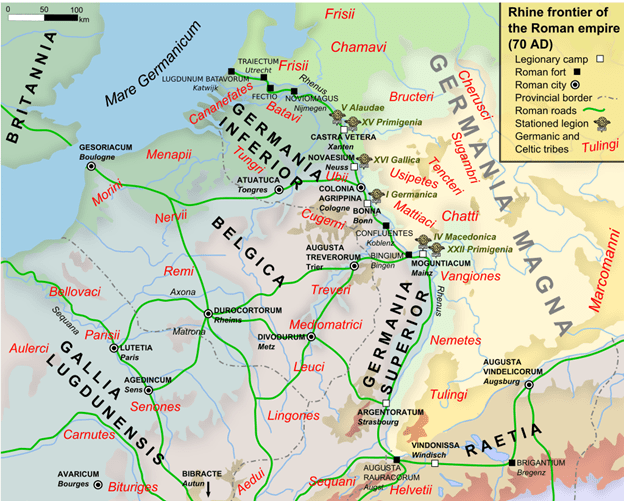
While in Gaul, Caligula learned that Adminius, an heir of a Celtic tribe in Britain, had fled to him. This became a pretext for invading Britain. The emperor was so confident of success that he wrote to the Senate announcing the conquest as an accomplished fact. He also began using the name “Britannicus” as part of his full titulature.
In 40 Roman forces reached the Pas-de-Calais, where a lighthouse and a port for the landing were already under construction. At the last moment, however, Caligula abandoned the invasion. Suetonius writes that the emperor ordered his soldiers to collect seashells, calling them “spoils of the Ocean.”
The reasons for his change of heart remain debated. Some think he feared conspiracies in Rome; others that the expedition was ill-prepared and the soldiers refused to embark. There is also a version that it was merely a military jest or symbolic act meant to intimidate the Britons. Despite the failure, it was Caligula who began the active preparations that ultimately enabled his successor, Claudius, to conquer Britain.
At the end of 40 a new conspiracy formed within Caligula’s inner circle, triggered by his growing mistrust of allies and eccentric behavior. Its leader was the praetorian tribune Cassius Chaerea. Ancient authors such as Seneca note that the emperor often mocked Chaerea for his effeminate voice, which likely pushed the tribune toward the plot. Many senators joined, and the conspirators’ password was “Liberty” (Libertas).
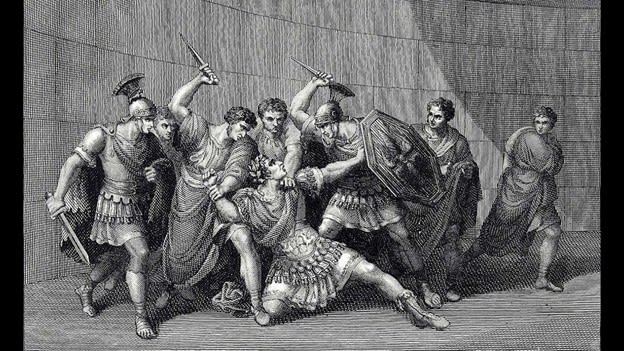
The assassination was set for January 24, 41, during the Palatine Games. The conspirators knew Caligula’s habit of leaving the theater at noon. When he headed through an underground passage to the palace, having left most of his retinue behind, they fell upon him and struck him about thirty times with their swords.
After Caligula’s death, his wife Caesonia and their only daughter, the eleven-month-old Julia Drusilla, were also killed. The emperor’s body was hastily cremated in the Lamian Gardens and buried in a temporary grave. He became the first Roman emperor not to receive a state funeral.
The people apparently greeted the killing without much enthusiasm. Soon after Caligula’s death, senators called for the restoration of the republic, but the praetorians, having found the terrified Claudius in the palace, proclaimed him the new emperor.


