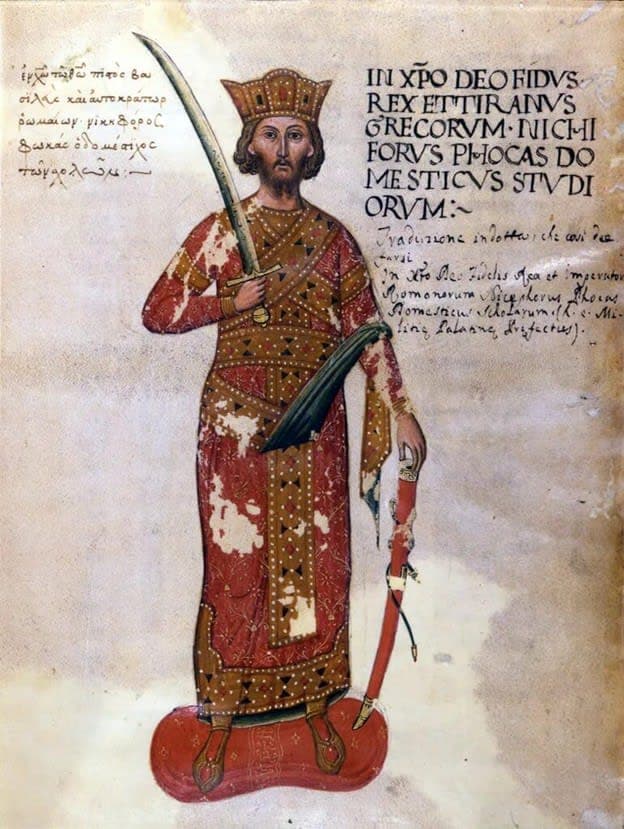
Nikephoros was born in 912 in the harsh land of Cappadocia. He belonged to one of the most powerful aristocratic families of Anatolia — the house of the Phokades, which for generations had provided Byzantium with its finest generals. Nikephoros was the son of the celebrated commander Bardas Phokas the Elder and the grandson of the legendary Nikephoros Phokas the Elder, whose name thundered along the frontiers of the empire. The very soil of Cappadocia, steeped in a military spirit, shaped the character of the future basileus: straightforward, firm, and merciless toward the enemies of Christianity.
His military career in the East was rapid. By 954, he already held the rank of Domestic of the Schools, commanding the elite formations of the Byzantine army. Yet true glory came to him in 960, when Emperor Romanos II appointed him commander-in-chief of the great expedition against Crete. For decades, the island had been a nest of Arab pirates devastating Byzantine coasts. Nikephoros assembled a colossal fleet of 3,000 ships, among whose ranks fought Rus’ mercenaries as well.
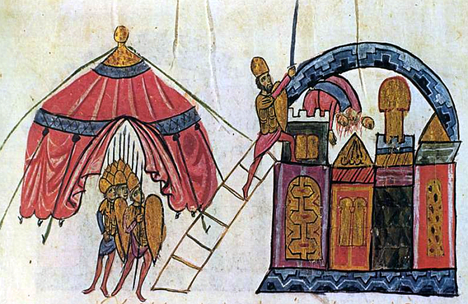
The siege of the island’s capital, Chandax, lasted eight months. Here Nikephoros displayed his legendary severity: in order to break the spirit of the defenders, he ordered that the heads of fallen Arabs be cut off and hurled into the city by stone-throwers.
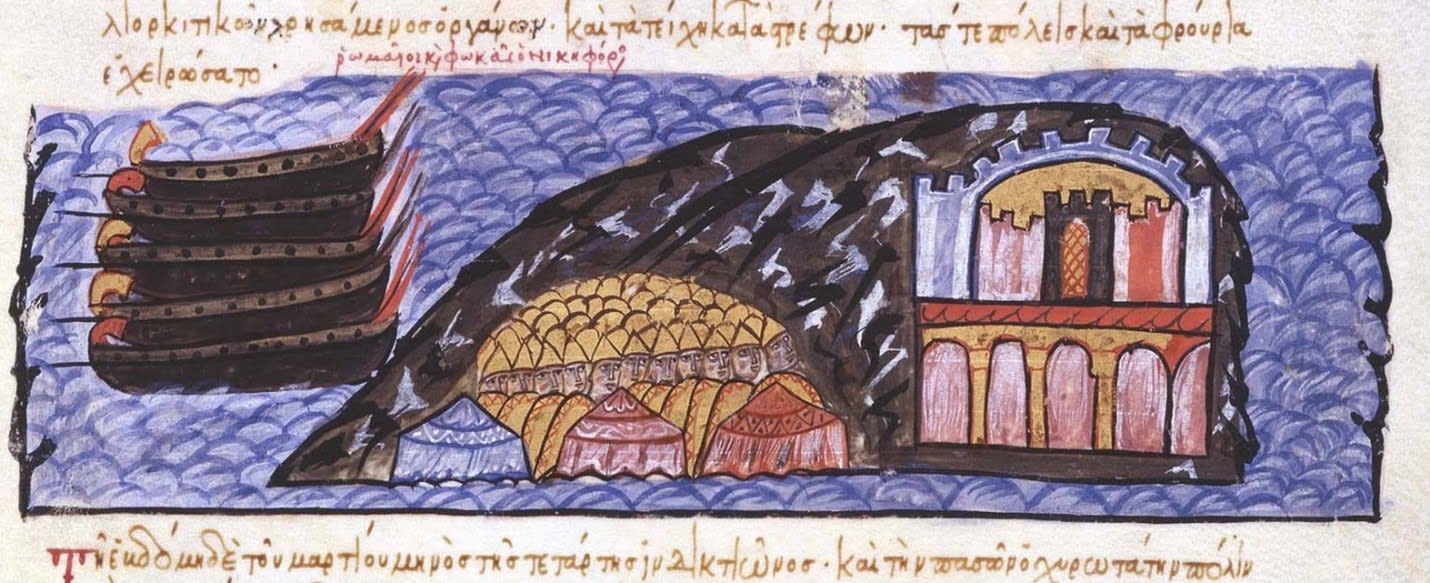
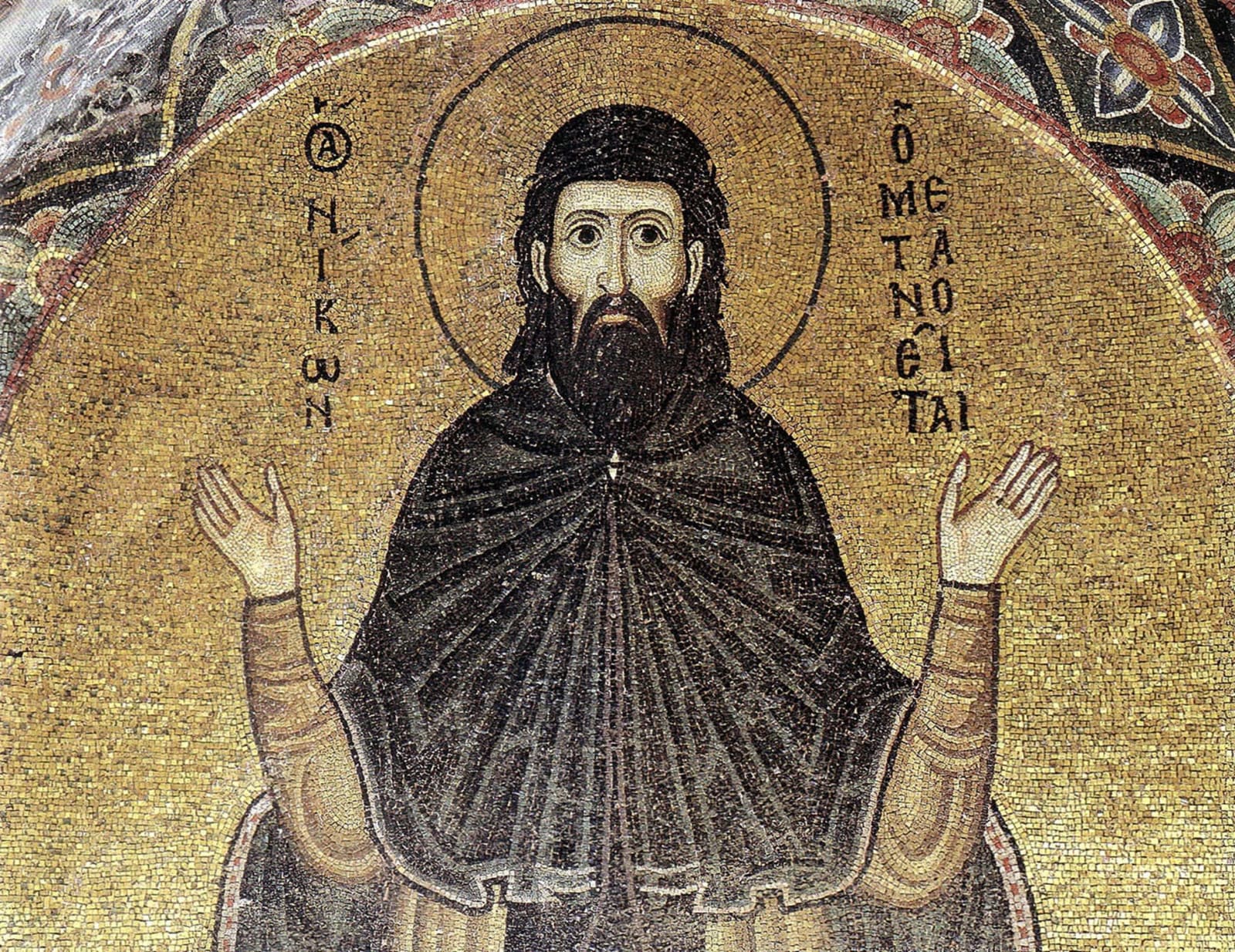
In 961, Crete fell. Nikephoros not only conquered the island, but immediately set about its re-Christianization, summoning Saint Nikon the Metanoeite to restore the faith. His return to Constantinople became a triumph: the people gazed in amazement at the captured treasures and the captive emir Abd al-Aziz. After this, in 962, Nikephoros again marched eastward, where his troops stormed Aleppo, causing the Arabs to tremble at the mere mention of his name.
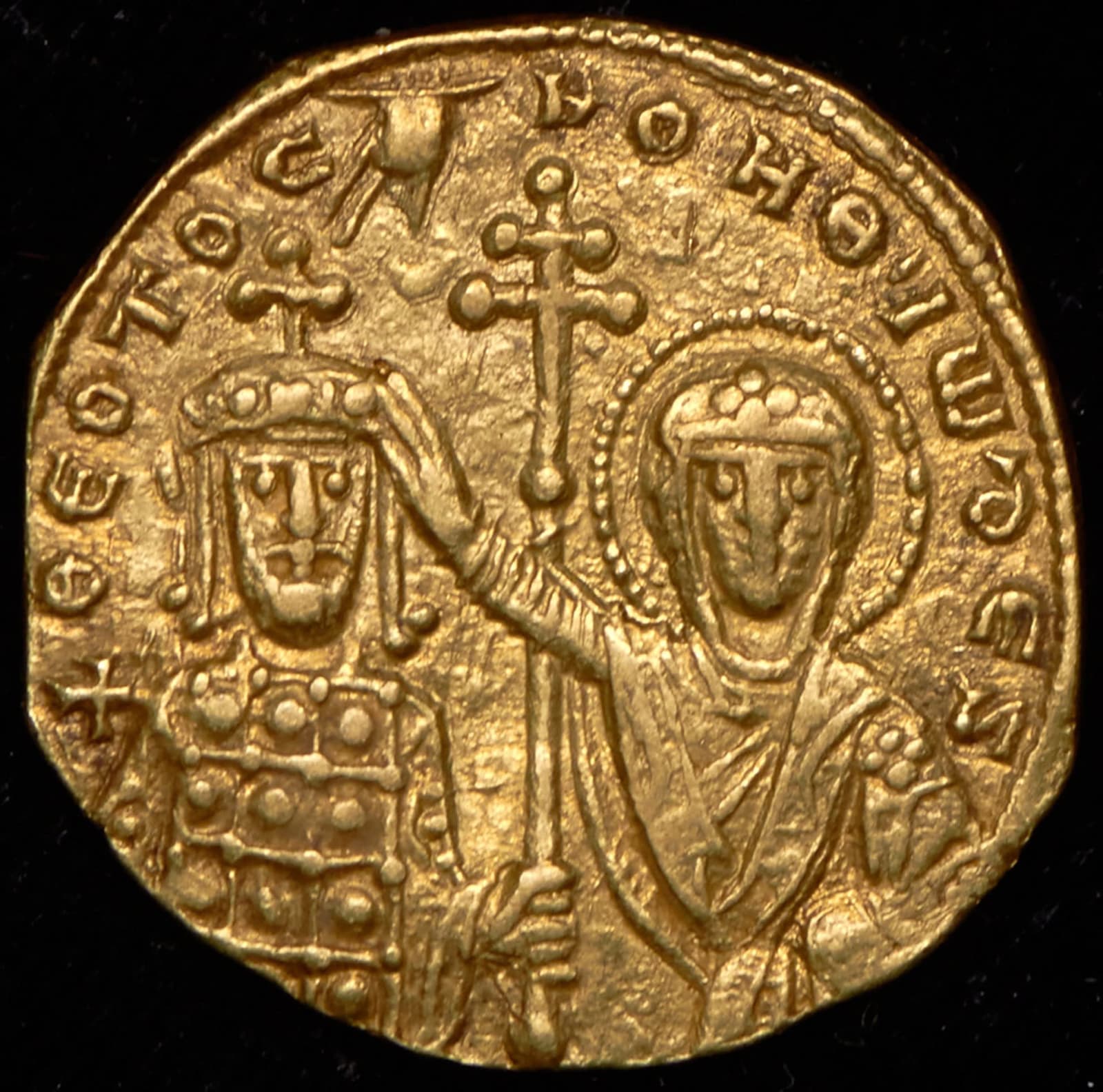
The death of Emperor Romanos II on March 15, 963, plunged the empire into crisis. The heirs, Basil and Constantine, were still children, and power fell into the hands of the regent Theophano and the all-powerful eunuch Joseph Bringas. Bringas, fearing Nikephoros’s popularity, tried to eliminate him. He sent a letter to John Tzimiskes, Nikephoros’s kinsman and subordinate, ordering him to blind the general. But Tzimiskes, instead of carrying out the order, showed the letter to Phokas and persuaded him to act.
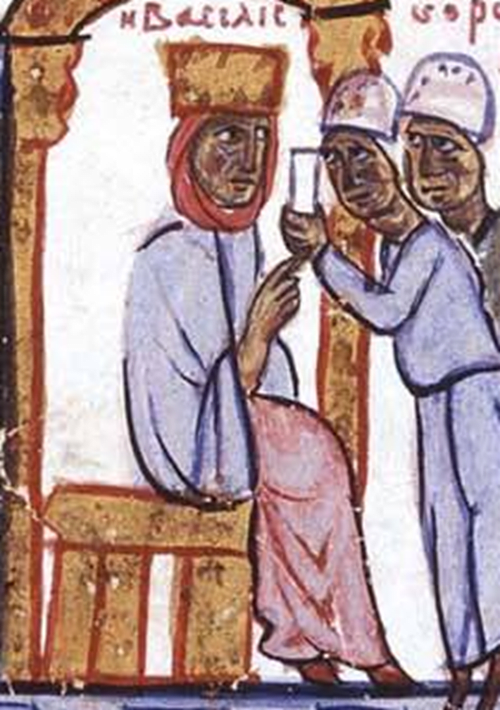
On July 2, 963, in the camp near Caesarea in Cappadocia, the troops proclaimed Nikephoros emperor. Constantinople was thrown into turmoil. Joseph Bringas tried to suppress the unrest by banning the baking of bread and threatening the city with hunger, but the people, led by Basil Nothos, rose in revolt. After bloody street fighting, Bringas’s supporters were crushed, and he himself was exiled. On August 15, 963, Nikephoros Phokas entered the capital in triumph as basileus. To legitimize his rule and protect the rights of the lawful heirs, he married the widowed empress Theophano, thus binding his fate to the Macedonian dynasty.
Even on the throne, Nikephoros remained above all a soldier. His reign became an era of uninterrupted victories in the East:
The years 964–965 saw the recovery of Cyprus for the empire and the capture of the strategic fortresses of Tarsus, Adana, and Mopsuestia.
The years 966–968 were marked by the devastation of Syria. Nikephoros destroyed most of the Arab fortresses, captured Hama and Homs, and reached the Lebanese coast, taking Tortosa and Jableh.
In 969 came the fall of Antioch. Although the emperor himself was in the capital, his generals Michael Bourtzes and Peter Phokas finally captured the “Kingdom of the East” on November 1, 969, restoring to the empire one of its five great patriarchal sees.
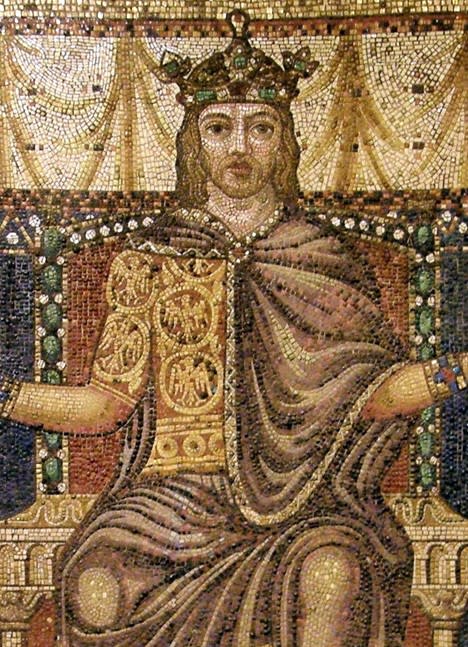
In Italy, Nikephoros faced the ambitions of the German emperor Otto I. Hoping to expel the Arabs from Sicily, he launched campaigns in 964 and 965, but both ended in failure in the Strait of Messina. In 967, in order to free his hands for the struggle with Otto in Calabria, the basileus even concluded a truce with the Saracens. Negotiations with the German envoy Liutprand of Cremona collapsed; the envoy left behind extremely bitter notes about the Byzantine court, describing Nikephoros as a “monster” and a “fox.”
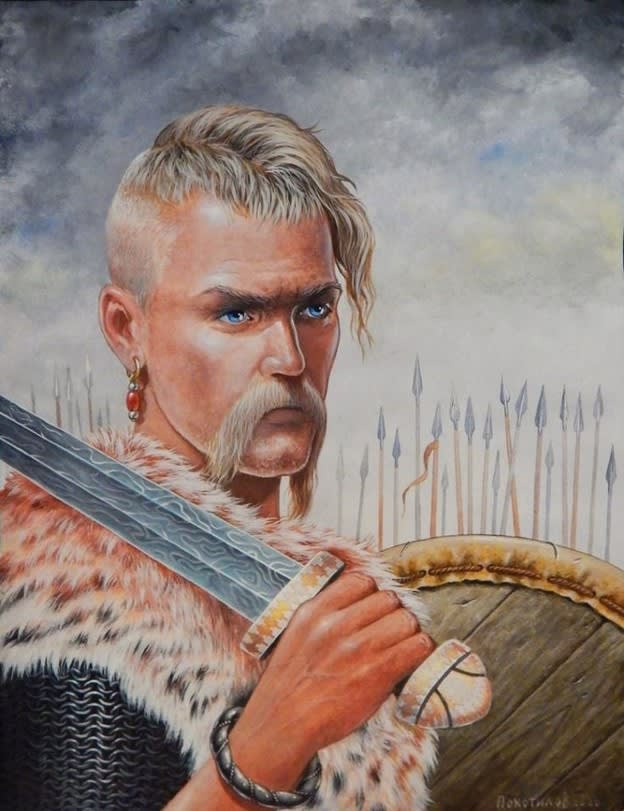
Relations with Bulgaria also worsened. Nikephoros refused to pay the humiliating tribute to the Bulgarians and in 968 committed a fatal diplomatic error: he sent the envoy Kalokyros to Kiev to Prince Sviatoslav Igorevich, proposing that he attack the Bulgarians. Sviatoslav agreed, but his rapid successes on the Danube soon alarmed Nikephoros himself. In 969, probably not without Greek instigation, the Pechenegs besieged Kiev, forcing Sviatoslav to withdraw temporarily.
Nikephoros’s domestic policy was subordinated to one goal — maintaining a powerful army. He introduced a regime of the strictest economy:
Taxes were increased, while the salaries of officials and clergy were cut.
In 964, the emperor issued a novella forbidding the foundation of new monasteries and the expansion of the estates of existing ones. He believed that the wealth of the Church should serve the defense of the state.
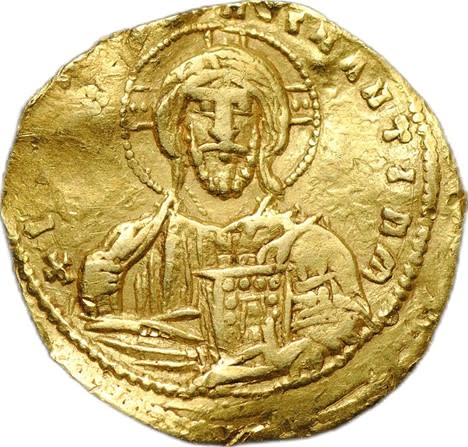
Monetary reform: A lighter tetarteron was introduced, allowing the treasury to save on payments, although taxes continued to be collected in the full-weight histamenon.
The people suffered from crop failures and high bread prices. The chronicles preserve an anecdote about an old man who boasted to the emperor of his strength: in former times he had needed two donkeys to carry bread, whereas under Nikephoros, for the same amount of money, he bought so little bread that he could easily carry it on his shoulder. Only the army was satisfied: Phokas increased the land allotments of the stratiotai, especially those of the heavy cavalry — the cataphracts — and exempted them from taxes.
Nikephoros Phokas was a unique personality: a combination of savage warrior and desert monk. He wore a hairshirt, slept on animal skins, ate no meat, and completely abstained from sexual relations, which deeply irritated Empress Theophano. Leo the Deacon described him as a courageous man, broad-shouldered, with eyes hidden beneath shaggy eyebrows. Liutprand, by contrast, saw in him a “pygmy with a swollen head and mole-like eyes.”
His unpopularity among both the aristocracy and the people, together with the cooling of relations with his wife, led to catastrophe. Theophano joined the conspiracy of her lover, John Tzimiskes. On the night of December 10–11, 969, the conspirators climbed by ropes into the emperor’s apartments. They found Nikephoros asleep on the floor on an animal skin. The murder was monstrous: Tzimiskes and his companions beat him savagely, knocking out his teeth, and then John split his skull with a sword.
The body of the great warrior lay in the snow all day, after which it was secretly buried in a wooden box in the Church of the Holy Apostles. On his tomb were inscribed the words that he had “defeated all save a woman.” Nikephoros II Phokas left behind not only expanded frontiers and the military treatise Strategika, but also an example of how personal valor and asceticism can raise a man to the summit, yet cannot protect him from the betrayal of those closest to him.


