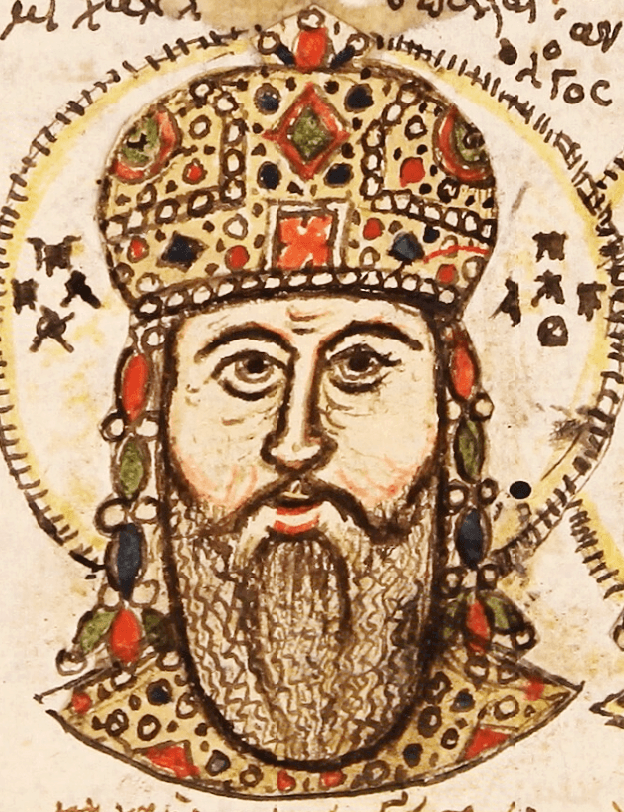
The future restorer of the empire was born in 1224 or 1225, in an age when the Greek world had been split apart after the fall of Constantinople in 1204. Michael belonged to the highest aristocracy, and in his veins flowed the blood of almost all the great houses of Byzantium. He proudly styled himself “Michael Doukas Angelos Komnenos Palaiologos,” emphasizing his continuity with the great dynasties of the past. His ancestor was Alexios I Komnenos himself, one of the most effective rulers of the empire.

Michael’s genealogical tree was his main political capital. His maternal grandfather, the despot Alexios Palaiologos, was married to Irene, the eldest daughter of Emperor Alexios III Angelos. Had fate decided otherwise, and had Alexios Palaiologos not died before his father-in-law the basileus, he would have become the direct heir to the throne. Michael’s mother, Theodora Angelina, married the grand domestic Andronikos Palaiologos, who himself was the great-grandson of Emperor Andronikos I Komnenos. Thus, the marriage of his parents united two powerful branches of the Palaiologos family, creating a figure whose rights to the crown seemed almost indisputable in the eyes of contemporaries.
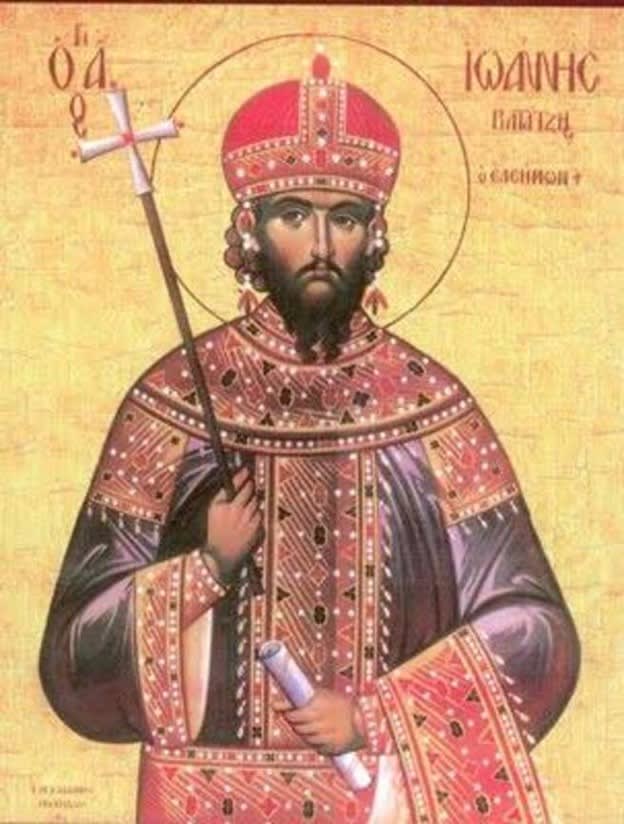
An upbringing in such an environment made Michael extremely ambitious. From his youth, prophecies of a great future accompanied him, only feeding his determination. However, the path to the summit lay through mortal dangers. In 1252, under Emperor John III Doukas Vatatzes, a denunciation was made against the young Michael, accusing him of conspiracy. During the interrogation, he was offered the “judgment of God” — an ordeal by red-hot iron.

Displaying remarkable wit and diplomatic agility, Palaiologos turned to the metropolitan Phokas of Philadelphia with a daring proposal: let the priest place the red-hot metal into Michael’s hands with his own “holy hands.” When the metropolitan refused in horror, calling it a barbaric custom, Michael replied that since he was a “Roman” and descended from Romans, he should be judged according to Roman laws, not barbarian rites. The accusations were dropped, but the authorities’ suspicion did not disappear.
Under the new emperor, Theodore II Laskaris, the situation became extremely tense. In 1256, after learning of the emperor’s order to blind him, Michael fled to the Seljuk sultan of Rum, Kaykaus II. There he not only found refuge, but also led a Greek detachment in battles against the Mongols. Frightened by such an alliance, Laskaris backed down and offered Michael forgiveness. Returning to Nicaea in 1257, Palaiologos received the title of grand constable and was sent to war against the Despotate of Epirus. Despite the meager resources allocated to him, he defeated the enemy, but instead of triumph received a new arrest on charges of sorcery. Only the sudden death of Theodore II in 1258 saved Michael from inevitable execution.
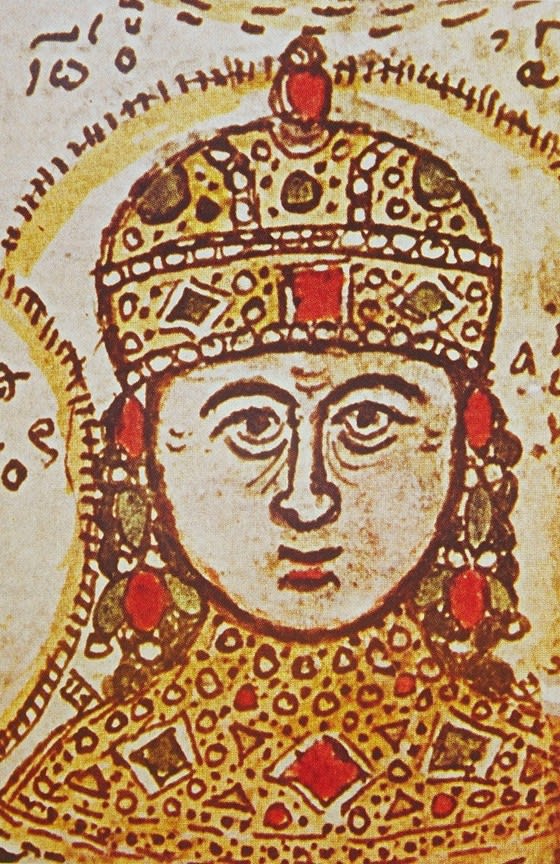
Laskaris’ death left the throne to a child — John IV. George Mouzalon and Patriarch Arsenios were appointed as guardians. But only nine days after the emperor’s funeral, in the Monastery of the Savior at Sosandra, a bloody massacre took place: Latin mercenaries burst into the church and killed Mouzalon and his brothers during the service itself. In the resulting vacuum of power, Michael Palaiologos, who enjoyed enormous authority in the army, became the natural leader.

Using the keys to the treasury entrusted to him by the patriarch, Michael skillfully bribed the capital’s elite. First, he secured release from his oath of loyalty to the Laskarids, and then, through complex manipulations within the hierarchy, obtained the title of despot. Meanwhile, an external threat united Palaiologos’ supporters. The ruler of Epirus, Michael II, allied with Manfred, king of Sicily, and William II of Villehardouin, prince of Achaea, marched against Nicaea.
In the summer of 1259, the decisive Battle of Pelagonia took place. The Nicaean troops under the command of Michael’s brothers resorted to military cunning: they spread rumors of betrayal in the allied camp. Panic forced the Epirote ruler to flee, while the remaining Latins were utterly defeated. The prince of Achaea was captured. This victory finally cleared Michael’s road to the throne.
On January 1, 1260, at Magnesia, Michael VIII Palaiologos was proclaimed co-emperor. To calm the dissatisfied, he made many promises: not to interfere in church affairs, to abolish judicial duels, and not to appoint only relatives to official posts. Patriarch Arsenios reluctantly crowned him, specifying that Michael would rule only until John IV came of age.
However, during the ceremony itself, Michael carried out a symbolic coup. He insisted that he enter the cathedral first, wearing the crown, while the young legitimate heir John walked behind him without a diadem on his head. This was a clear signal: there was now only one real master in the empire. To strengthen his power, Michael rehabilitated disgraced aristocrats and formed kinship ties with the most influential families.
The conflict with Patriarch Arsenios led the latter to withdraw into voluntary exile, but Michael needed a grand success to make the people forget internal disputes. After the unsuccessful siege of Galata in 1260, the emperor focused on diplomacy, concluding an alliance with Genoa against the Venetians in March 1261.
In the summer of 1261, fate gave Michael a truly imperial gift. The commander Alexios Strategopoulos, with a small detachment of 800 cavalrymen, was in Thrace when he learned from local merchants that the main Latin forces had left Constantinople for an expedition to the island of Daphnousia.
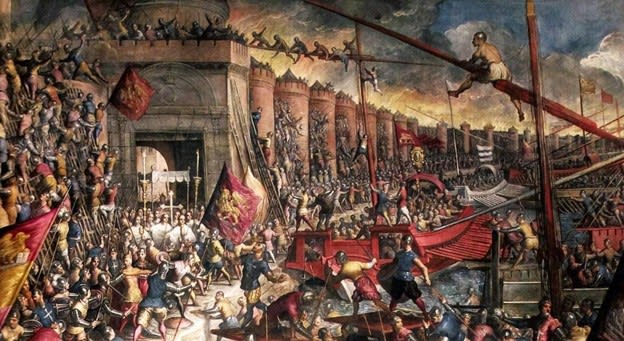
On the night of July 25, 1261, the Greeks entered the city through a secret passage. The burning of the Venetian quarters caused panic. The last Latin emperor, Baldwin II, shamefully fled by boat, abandoning all imperial regalia. Strategopoulos used a trick, dressing local residents as warriors in order to frighten the returning Latin fleet. Seeing a “huge” army on the walls, the demoralized Crusaders sailed away to Italy. The Latin Empire ceased to exist.
Michael VIII learned of this event in a dream in Nicaea. On August 14, 1261, his triumphal entry into the liberated capital took place through the Golden Gate. At the head of the procession, the miraculous icon of the Mother of God Hodegetria was carried. Passing through the cathedral of Hagia Sophia into the Great Imperial Palace, Michael VIII Palaiologos officially proclaimed the restoration of the Byzantine Empire, thus ending the era of exile and beginning a new, final chapter in the history of Byzantium.
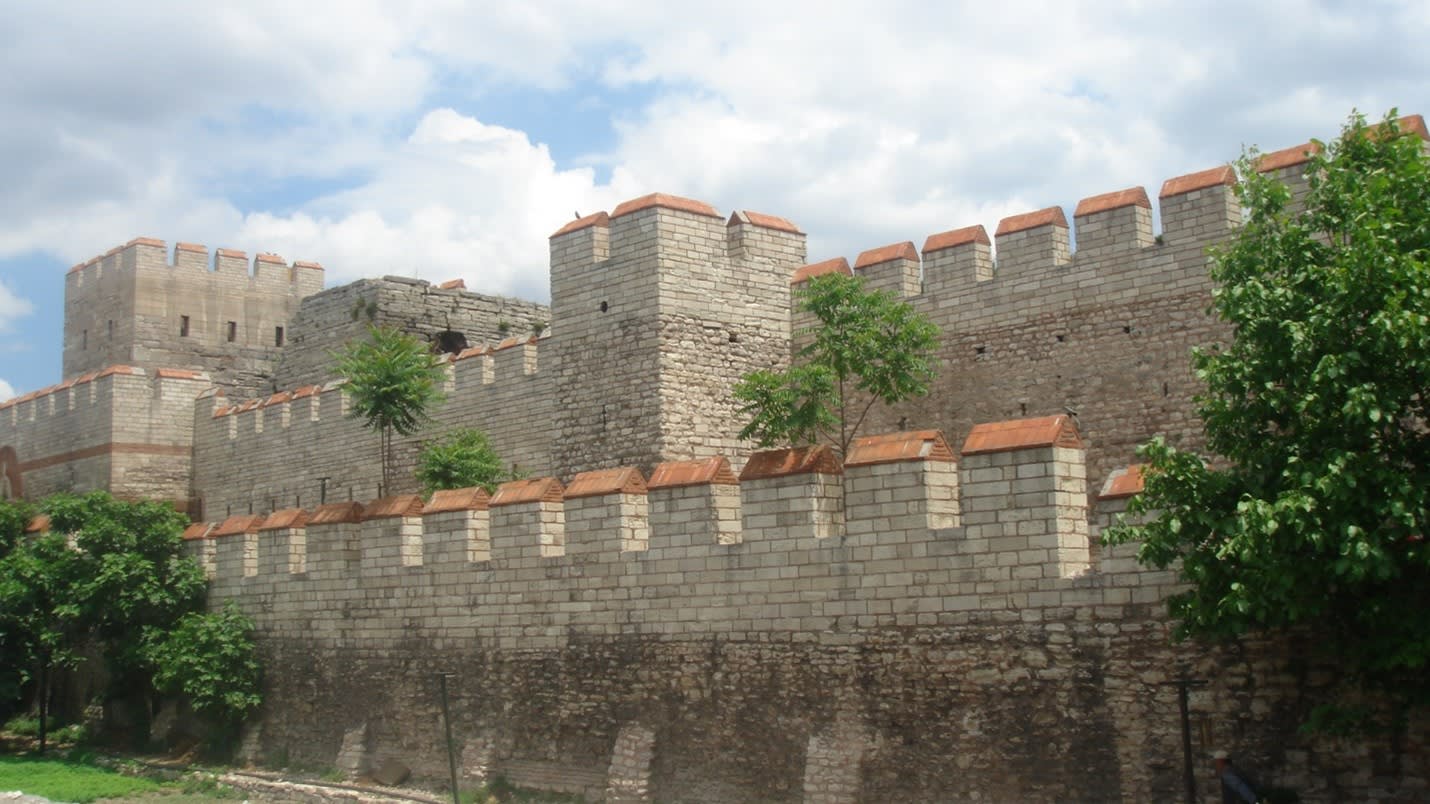
Michael VIII immediately began large-scale works. By his order, the restoration of the city walls began, streets were cleared, and harbors were repaired, laying the foundation for the future Byzantine fleet. To breathe life into the emptied metropolis, the emperor called on rural inhabitants to resettle in the capital and restored monasteries and churches that had been desecrated or abandoned under the Latins.
Michael’s diplomatic game in this period was virtuoso and at the same time dangerous. He spent his days receiving Genoese and Venetian merchants, convincing them that the return of the Greeks would not harm their commercial interests. However, an attempt to negotiate directly with Rome ended in tragedy: the Byzantine embassy was received with dishonor, and one of the envoys, Nikephoritzes, was flayed alive by the Italians. This was a clear signal — the West was not going to forgive the “schismatics” for the loss of Constantinople.
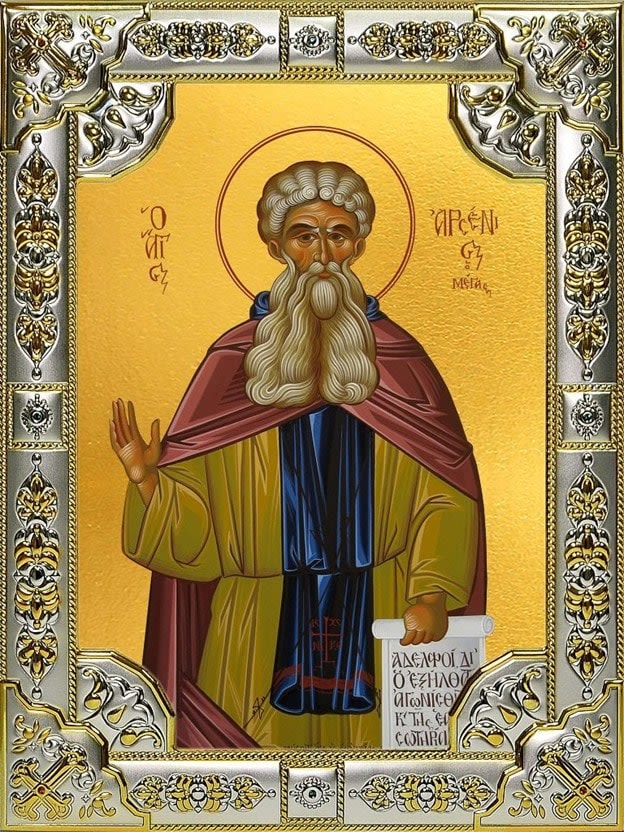
To legitimize his power, Michael needed the authority of the Church. Patriarch Arsenios was brought back from exile. Despite deep doubts and anxiety over the fate of the legitimate heir John IV Laskaris, duty to the Empire prevailed, and Arsenios once again ascended the patriarchal throne. The triumph of the Greeks was emphasized by the honors given to Alexios Strategopoulos: the hero of Constantinople’s liberation was granted the right to wear a crown similar to the imperial one, and to have his name commemorated in the litanies alongside the basileis.
However, behind the brilliance of triumph lay the dark determination of the usurper. To secure power definitively for his own dynasty, Michael in 1261 secretly prepared the ground for his second coronation — this time in Hagia Sophia. Outwitting the patriarch with generous gifts, he secured his coronation as the “lawful emperor,” while the ten-year-old John IV Laskaris was simply “forgotten.”
The denouement came at Christmas, on December 25, 1261. By Palaiologos’ order, the young John was blinded in a fortress tower. Out of “compassion,” the iron was only half-cooled, preserving some remnants of the boy’s sight, but forever depriving him of the possibility of claiming the throne. He was imprisoned in the fortress of Niketion. This act caused a wave of indignation: both the people and the elite were shocked by the cruelty. Michael answered with terror: he ordered his loyal secretary Manuel Holobolos to have his nose and lips cut off for dissent, while the uprising in the Nicaean region raised by the impostor False John was suppressed with such ferocity that Bithynia was literally depopulated.
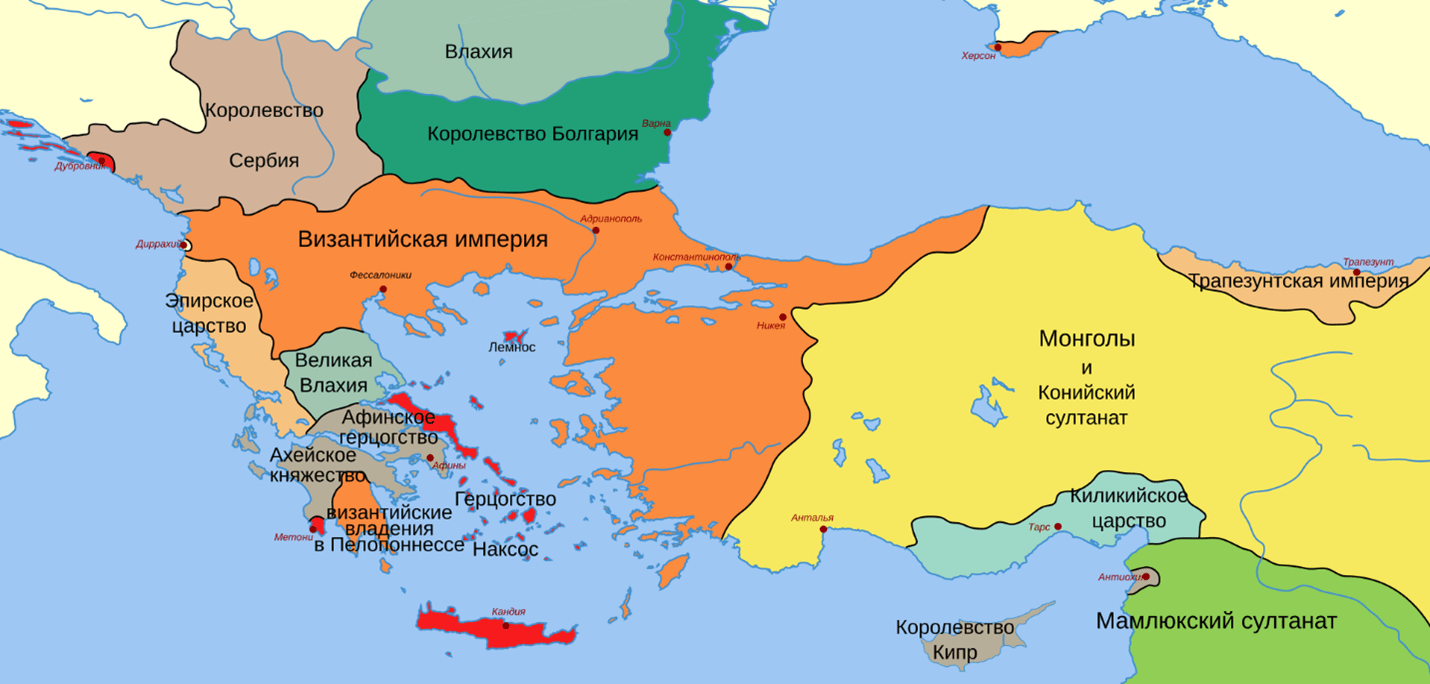
The restored Byzantium was only a shadow of its former power. It faced not only Latin enclaves such as the Duchy of Athens and the Principality of Achaea, but also yesterday’s Greek brothers from Trebizond and Epirus, who refused to recognize Palaiologos’ authority. From the north, the Bulgarians and Serbs threatened; from the east, the Seljuks, recovering after the Mongol blow, pressed forward.
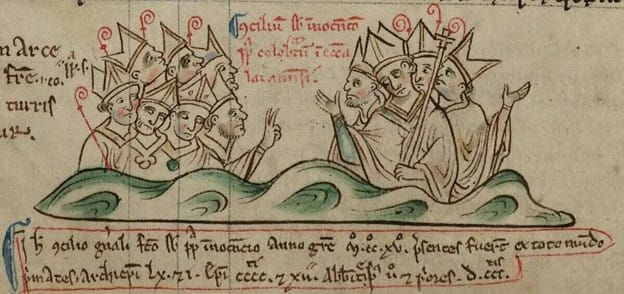
But the main threat was Rome. In the thirteenth century, the papacy reached the peak of its power. The Fourth Lateran Council of 1215 confirmed the supremacy of the pope over all patriarchs, and for the West Michael VIII was nothing more than a “Greek king” and usurper. Any crusade could become fatal for Byzantium. The only way out for Michael was an alliance with the pope at the price of church union — a step that inevitably led to internal schism.

Michael’s domestic policy was aimed at creating a support base among the aristocracy. He generously distributed lands and offices, striving to turn an “elective monarchy” into a hereditary one for his son Andronikos. The imperial army, numbering 15,000–20,000 men, now consisted almost entirely of mercenaries — Turks and Mongols — which required enormous expenses, 24 hyperpyra per mercenary per year. The fleet, created with Genoese assistance, numbered up to 75 ships.
However, for the sake of external support, Michael sacrificed the economy. The trade privileges of Venice and Genoa — taxes of only 2–2.5% — killed Byzantine commerce. The system of frontier defense, the akritai, who had protected the eastern frontier for centuries, was deprived of funding, opening the road to future Ottoman conquests.
The blinding of John Laskaris led to open conflict with the patriarch. In 1262, Arsenios subjected the emperor to minor excommunication. For three years Michael begged in vain for forgiveness. Arsenios’ answer was implacable: “I sheltered a dove in my bosom, and it turned into a serpent.”
In 1265, the conflict entered an open phase. After a series of intrigues and accusations that Arsenios supported conspirators, a council deprived him of his office in 1266. Germanos became the new patriarch, and then the emperor’s spiritual father, Joseph Galesiotes. Only on February 2, 1268, in the church of Hagia Sophia, did the emperor receive the long-awaited forgiveness. But this did not calm society — a powerful schism of the “Arsenites” arose, which would shake the Church for decades.

Meanwhile, in the West, the most dangerous enemy emerged — Charles of Anjou, brother of the French king Louis IX. After his victory at Benevento in 1266 and the execution of Conradin of Hohenstaufen in 1268, Charles became master of Sicily and southern Italy. His goal was Constantinople.
Michael maneuvered on the edge of the impossible. He courted the Venetians through the treaties of 1265 and 1268 in order to set them against the Genoese, and gave his illegitimate daughter Maria in marriage to the Mongol Ilkhan Abaqa, securing an ally in the enemy’s rear. When in 1270 Charles was already ready to sail for Constantinople, Michael managed to persuade Louis IX the Saint to direct his brother’s energy toward the Tunisian Crusade. Louis’ death in Tunis and the long period without a pope gave Byzantium a respite.

Only in 1271 was a new pope elected — Gregory X. He immediately laid out the conditions: support for Byzantium was possible only after official union and Greek participation in a new Crusade to Palestine. Michael VIII faced a choice: lose the throne under the blows of Charles of Anjou, or lose the trust of his own people by kneeling before Rome.
By the early 1270s, Michael VIII was caught in a vise: in the West, Charles of Anjou was relentlessly preparing a fleet to crush Constantinople. Salvation came from an unexpected direction. The new pope, Gregory X, who had spent a long time in the East, proved to be a pragmatist. He understood that the restoration of the Latin Empire was a chimera, while the voluntary submission of the Greeks to Rome would make Byzantium an invaluable shield of Christendom. Without informing Charles, the pope offered Michael a deal: recognition of Rome’s supremacy in exchange for restraining Angevin ambitions.
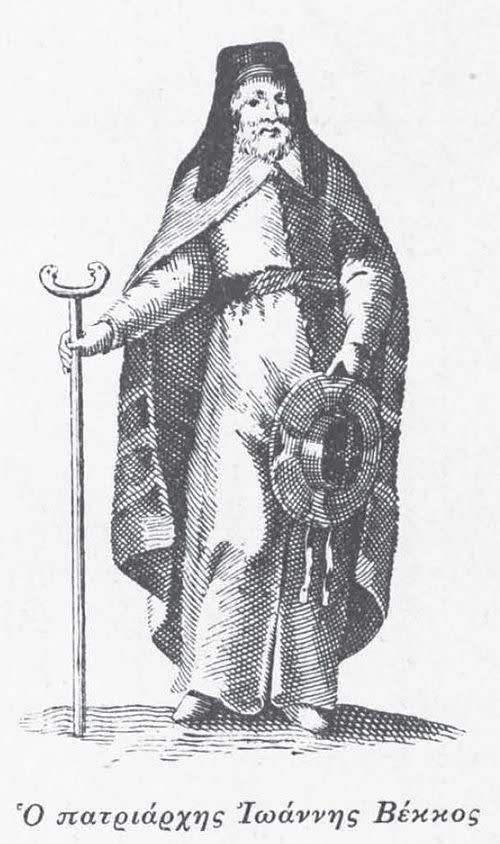
For Palaiologos, this was a “golden bridge.” The emperor responded in enthusiastic tones, ready for any formal concessions for the sake of border security. However, within Byzantium itself, his initiative met fierce resistance. The clergy and the people, remembering the horrors of 1204, regarded the union as betrayal. Even his loyal ally, Patriarch Joseph, headed the opposition. It is characteristic that the future defender of the union, John Bekkos, was thrown into prison in 1273 precisely for denouncing the Latins as heretics. But Michael was implacable. He personally visited the prisoner Bekkos, persuading him to study Catholic doctrines. A “miracle” occurred — or, rather, a subtle political calculation: Bekkos changed his position and became the chief ideologist of rapprochement with Rome.

On May 7, 1274, the Council of Lyon opened. The Byzantine delegation, having survived the shipwreck of one of its vessels, appeared before the pope. On July 6, 1274, the union was officially proclaimed. George Akropolites, on behalf of the basileus, swore loyalty to the Roman See. For Michael, this was a triumph: the pope recognized him as the legitimate emperor and forbade Charles to wage war against the Greeks. Byzantium received the long-awaited respite and immediately went on the offensive, reconquering lands in Albania and the Balkans, defeating Venetian fleets at Demetrias and the Latins in the Peloponnese.
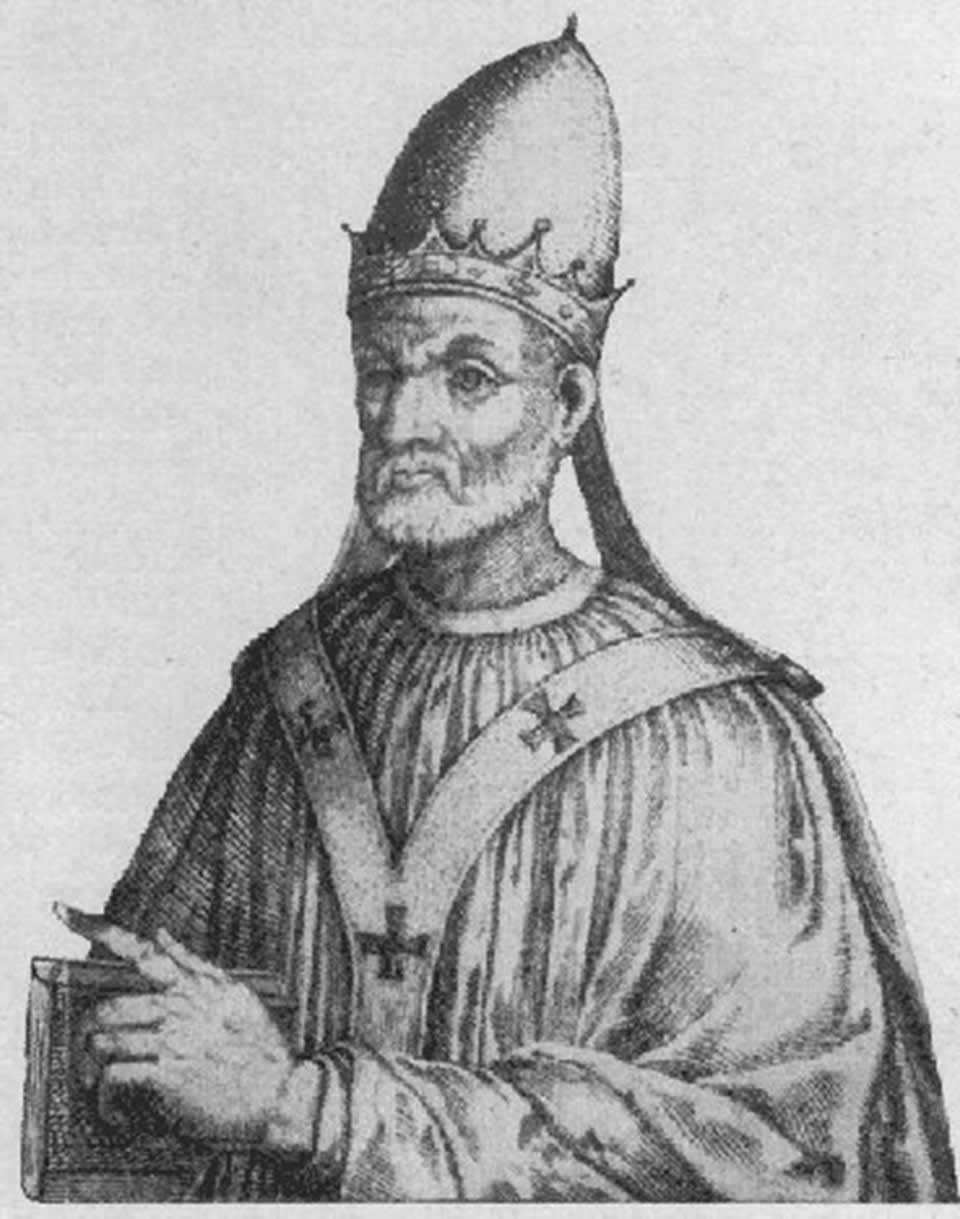
However, the success was fragile. In January 1276, Gregory X died, and Michael lost his main guarantor. A succession of “short-term” popes followed until Nicholas III ascended the throne. He was cautious and even concluded a secret alliance with Michael against Charles of Anjou, but at the same time imposed humiliating conditions on the Greeks: the introduction of the Latin Creed and the repentance of every priest before papal legates.
In Constantinople itself, Michael VIII became an outcast. To prove his loyalty to the union to Rome, he began a campaign of terror against his own people. Opponents, including members of the imperial family, were tortured and blinded. Patriarch Joseph was deposed and sent into exile, and in 1277 John Bekkos ascended in his place. The emperor went so far as to order people executed at the first denunciation of “rejection of the union.” But even this cruelty could not satisfy Rome, which was being incited by Charles of Anjou.
The collapse came in 1281, when Martin IV — a protégé and personal friend of Charles of Anjou — became pope. He did not believe in the sincerity of the Greeks, and on November 18, 1281, he placed Michael Palaiologos under anathema, declaring him a usurper and schismatic. This was the death sentence of the policy of union. Charles of Anjou began assembling a grand armada, joined by Venice, Serbia, and Bulgaria. In the summer of 1282, Byzantium was supposed to fall.

But here Michael’s “secret diplomacy” played out in full force. For many years, he had secretly funneled gold to King Peter III of Aragon, who was married to the Hohenstaufen heiress. On March 29, 1282, on Easter Day, an uprising broke out in Sicily that entered history as the “Sicilian Vespers.” French rule was swept away in a single night under cries of “Death to the French!” Charles’ enormous fleet stationed at Messina was burned. The ambitions of the Angevin house collapsed forever. Byzantium was saved not by the sword, but by Byzantine gold and the cunning of its emperor.
Despite the western threat, Michael VIII did not abandon attempts to restore dominance in the Balkans. He skillfully set his enemies against one another, using the Mongol cavalry of Khan Nogai against the Bulgarians. In 1265, he survived a heavy invasion by the Mongols and Bulgarians, but only a few years later gave his daughter Euphrosyne in marriage to Nogai, turning the fearsome nomads into his own “punitive detachment.” Through delicate marriage alliances, he neutralized Trebizond, forcing its ruler to abandon the title of emperor in 1282.
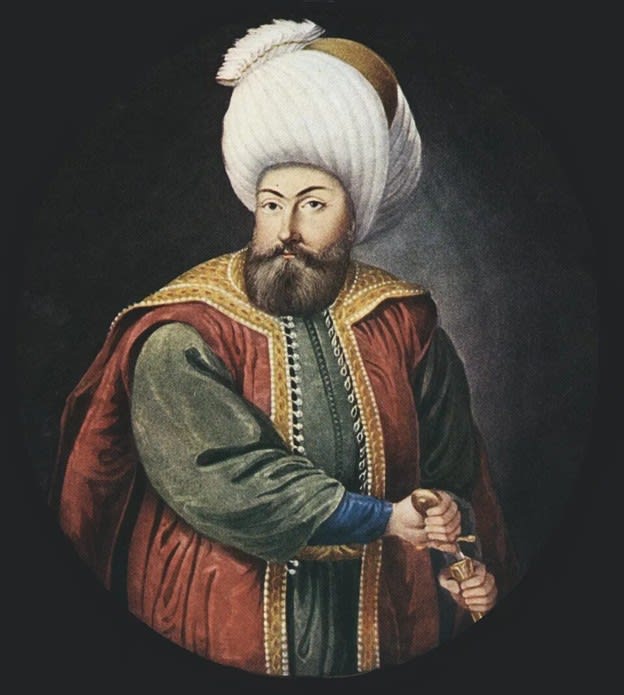
However, in the East the situation was alarming. Having concentrated all resources on the recovery of Constantinople and wars with the Latins, Michael neglected the defense of the frontiers in Asia Minor. Funding for the akritai — the free warrior-guards of the frontier — ceased, opening the way for the first Turkic beyliks. It was in these years that Osman I began his rise, laying the foundation of the future empire that, two centuries later, would bring Palaiologos’ achievement to an end.

The emperor’s life ended suddenly. At the end of 1282, despite his weakened health, Michael set out on campaign against the rebellious ruler of Thessaly. During the crossing of the Sea of Marmara, he was caught in a storm. His illness worsened, and on December 11, 1282, in the small settlement of Allage, the basileus died at the age of 58. His last words were: “Lord, deliver me from this hour!”
The final chapter of the restorer of the empire was tragic. His own son, Andronikos II, fearing the anger of Orthodox zealots, forbade a solemn funeral. The body of Michael VIII, the man who had returned the capital to the Greeks, was secretly buried in the ground without a funeral service, like that of an ordinary sinner. Later, his remains were transferred to Selymbria, but into Constantinople — the city he had revived — he was never allowed to return.
Michael VIII Palaiologos remains one of the most controversial figures in history. For his contemporaries, he was a tyrant, a child-maimer because of the blinding of John Laskaris, and a betrayer of Orthodoxy. For historians, he was the greatest diplomat of his time. He inherited a fragment of a state and left behind a restored Empire that survived for almost another 200 years.
He is reproached for duplicity, but it was precisely this duplicity that allowed him, for twenty years, to hold back the assault of the entire Catholic West and eight Roman popes. As one historian rightly observed, it was easy for his son Andronikos to be a “moral” ruler only because his father had taken upon himself all the dirt and blood necessary to save Byzantium. Michael VIII Palaiologos became the last emperor capable of thinking on the scale of the great Roman Empire, and his death drew a line under the era of the Byzantine renaissance of the thirteenth century.


