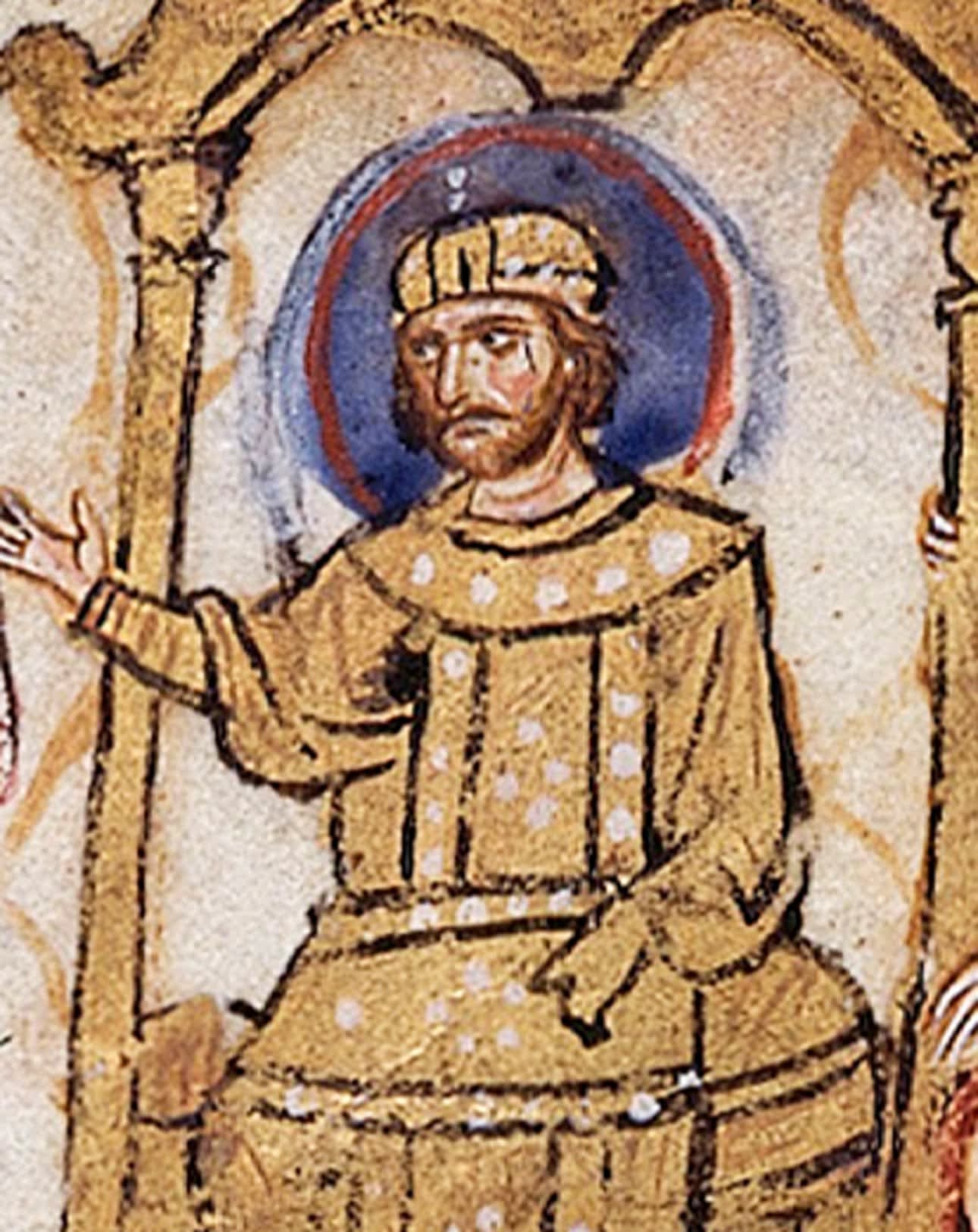
The story of the life of Michael II, who entered the annals under the nickname the Stammerer, is one of the most extraordinary chapters in Byzantine history — the path of an obscure provincial from the lower ranks of society to the founder of the Amorian dynasty. Michael came from the city of Amorium, and his early years were closely tied to military service. During the reigns of Empress Irene and Emperor Nikephoros I, he managed to rise to the position of commander of the guard, and under Leo V he became the head of the strategically important Anatolic theme of Amorium.
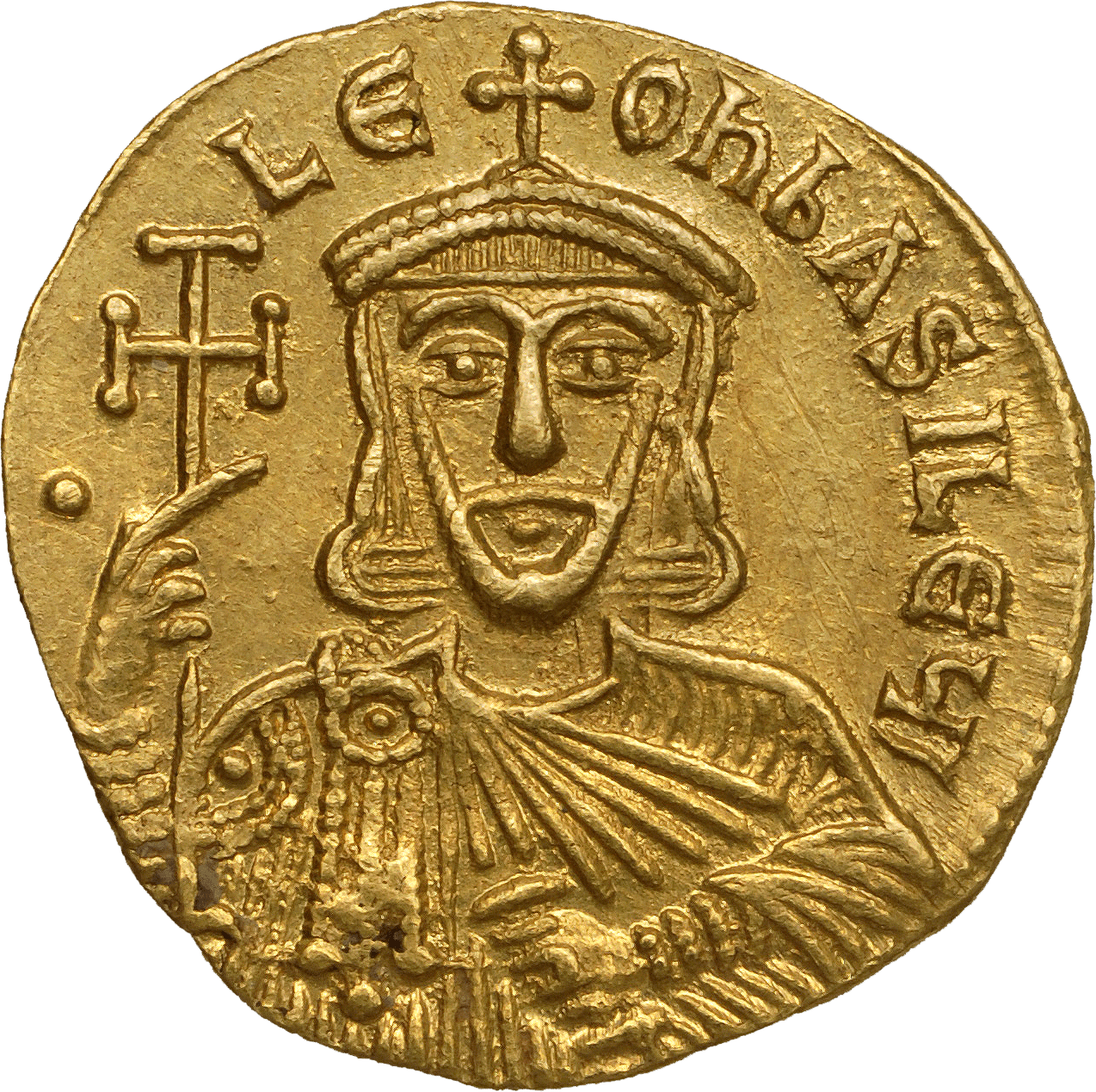
Michael’s fate was inseparably intertwined with that of Leo the Armenian. He became one of the key architects of the coup d’état that brought Leo to power, for which he was generously rewarded with the title of patrician and the prestigious office of commander of the federates. However, this alliance of two ambitious warriors proved short-lived. Michael soon began weaving a web of intrigues against his benefactor, spreading slanderous rumors and making no effort to conceal his contempt for the emperor. When Leo V learned of the betrayal, he ordered Michael thrown into prison, and a death sentence was soon passed upon him. Execution seemed inevitable, but Michael’s supporters, unwilling to accept the destruction of their leader, organized a daring assassination: on Christmas Day in 820, Leo V was murdered inside a church itself, his family was overthrown, and Michael, literally brought out of prison in chains, was proclaimed the new emperor of Byzantium.
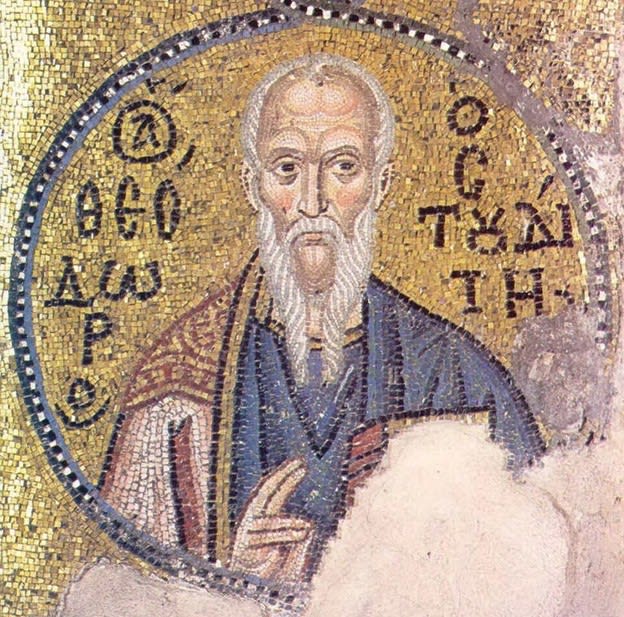
Michael II’s accession coincided with a period of deep religious division. From the very beginning of his reign, he showed himself to be a pragmatist, choosing a policy of religious tolerance. In an effort to pacify society, he proclaimed a broad amnesty for all those who had suffered for the veneration of icons, recalling from exile such pillars of Orthodoxy as Patriarch Nikephoros and the famous Theodore the Studite. Yet his aim was not the triumph of one side over the other, but rather “profound silence” on disputed questions. Michael issued a decree forbidding any public discussion of icons, trying to distance himself equally from the decisions of the iconoclast council of 754, the icon-venerating council of 787, and the later acts of Leo the Armenian in 815.
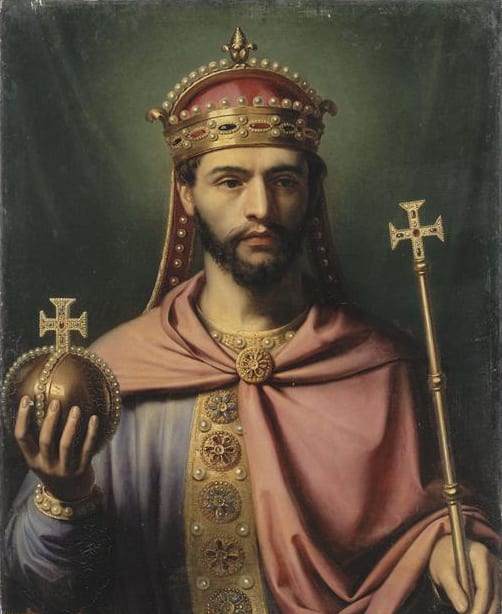
In the winter of 821, after the death of the iconoclast patriarch Theodotos Melissenos, Michael even considered restoring Nikephoros to the patriarchal throne, but the rigid demands of the Orthodox party forced him instead to confirm the iconoclast Antony of Syllaion as patriarch. The emperor’s personal views remained rather iconoclast, as is confirmed by his sharp letter to the western emperor Louis the Pious, in which he criticized the excessive veneration of “idols” instead of the Cross. Nevertheless, no mass persecutions were carried out under him; even the long imprisonment of the future patriarch Methodios is explained more by the political threat that his activity in Rome posed to the foreign policy of Constantinople than by theology. In that same year, 821, Michael secured dynastic continuity by making his son Theophilos his co-emperor.
However, the first years of his reign were overshadowed by the great revolt of Thomas the Slav (821–823). Thomas, proclaiming himself the “miraculously saved” Emperor Constantine VI, the son of Irene, succeeded in gathering enormous forces and was even crowned at Antioch with the support of the Abbasid caliph. It was a full-scale civil war: almost all the Asian themes went over to the rebel’s side, and in December 821 he laid siege to Constantinople.
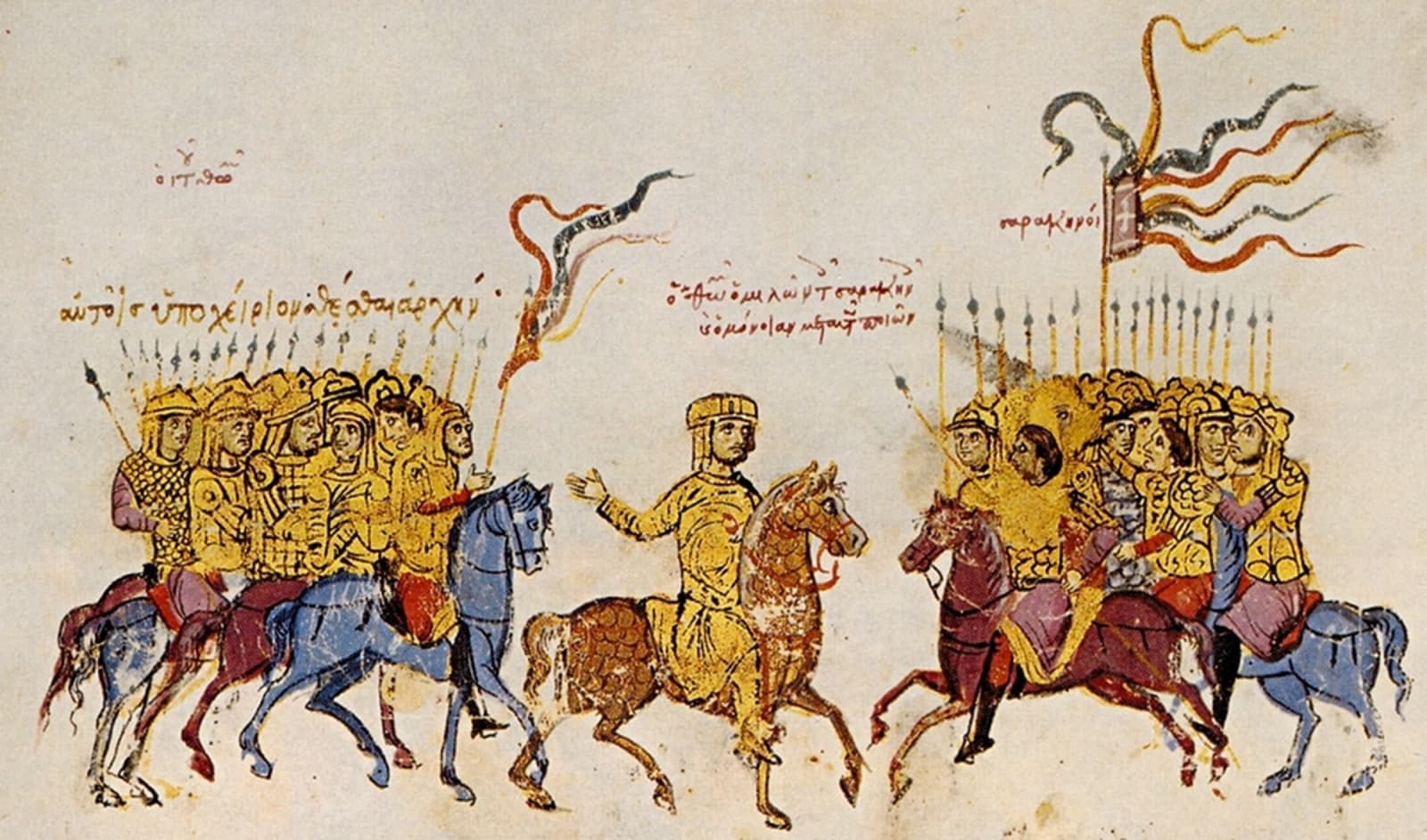
The siege was long and bloody, but by 822–823 fortune had turned against Thomas. With the aid of Bulgarian forces sent to help Michael under treaty obligations, the rebels were defeated and pushed back to Adrianople. After a prolonged siege, the inhabitants of the city handed Thomas over to the emperor. Michael showed grim brutality: by his order, Thomas’s hands and feet were cut off, after which he was seated on a donkey and publicly displayed for mockery.
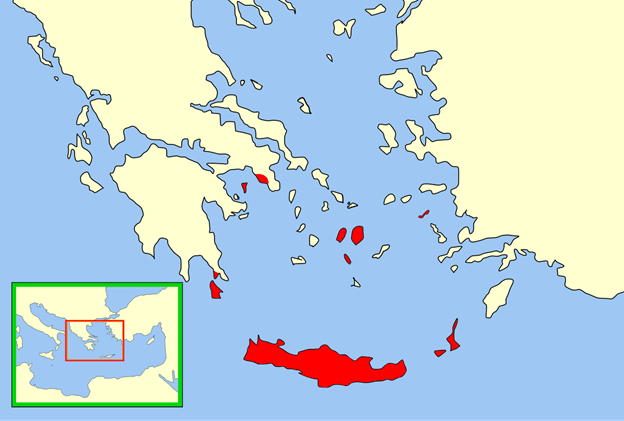
Despite his victory over the internal enemy, the empire’s external position in the West deteriorated. Between 823 and 829, Arab exiles from al-Andalus and Egypt seized Crete and founded there the Emirate of Crete. An even more painful blow came with the beginning of Muslim expansion into Sicily in 827. The pretext was a conflict between Euphemios, the droungarios of Sicily, and the emperor over the commander’s scandalous marriage to a nun; in revenge, Euphemios called in the Arabs, hoping to be recognized as emperor under their protection.
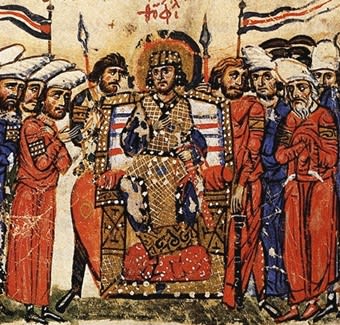
Michael II’s personal life was also subordinated to the interests of the state. After the death of his first wife Thekla around 824, the emperor committed an act that caused a great scandal: he married Euphrosyne, the daughter of Constantine VI and granddaughter of Empress Irene, who at that time was a nun. This marriage had deep significance — by it Michael not only legitimized his power through kinship with earlier dynasties, but also struck a final blow against the rumors spread by Thomas the Slav. Although Michael himself was not distinguished by education, he made great efforts to ensure that his son Theophilos received a brilliant upbringing worthy of the ruler of a great empire.
The earthly path of Michael II the Stammerer came to an end on October 2, 829. He died of kidney disease, leaving the throne to his son Theophilos. The Amorian dynasty he founded, despite all the upheavals, succeeded in strengthening the foundations of Byzantine statehood during one of the most difficult periods of its history.


