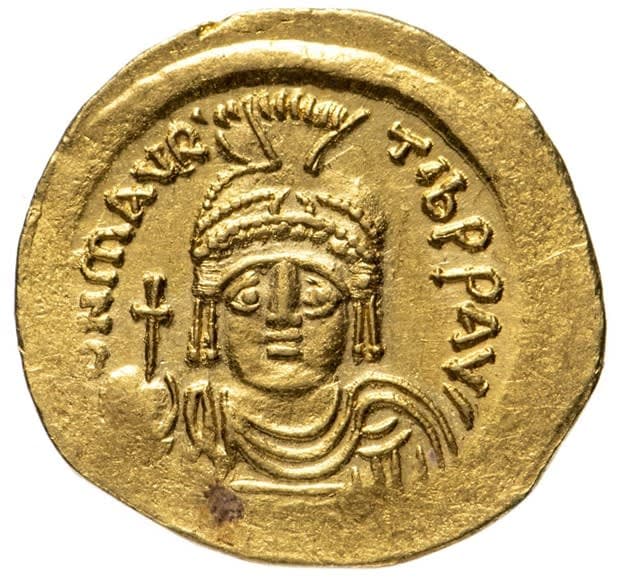
The story of Flavius Maurice Tiberius is a majestic and tragic saga about the last emperor of the age of classical antiquity, a man who combined the talents of a brilliant strategist, a far-sighted reformer, and a deeply devout Christian, yet fell victim to his own principled nature and severe frugality. His life, which began in 539 in the Cappadocian city of Arabissus (modern Afşin), became a bridge between the fading greatness of Justinian and the approaching storms of the Middle Ages. Maurice’s происхождение remains shrouded in historical mist: some scholars see in him a Cappadocian Greek or Latin, while others insist on his Armenian roots, citing family traditions. His father Paul headed the Byzantine Senate, securing for his son and his brother Peter, as well as his sisters Theoctista and Gordia, a brilliant future at the heart of the empire.
Maurice’s path to the throne was not accidental. Arriving in Constantinople with the rank of notarius, he became a trusted associate of Tiberius, then commander of the imperial bodyguard (comes excubitorum). When Tiberius was proclaimed Caesar in 574, Maurice inherited his post as head of the guard. Despite lacking serious combat experience in his youth, in 577 he was appointed magister militum per Orientem, taking upon himself the burden of the long war against Sasanian Persia.
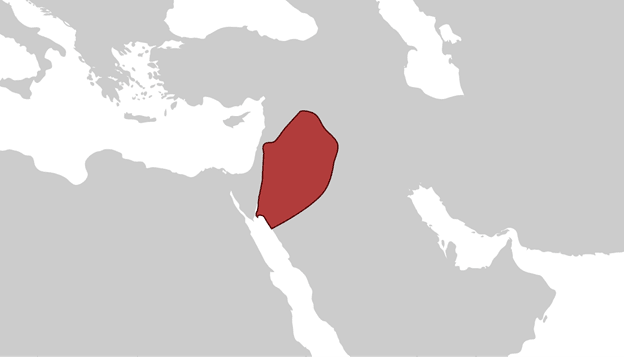
His first campaigns were marked by boldness and scale: in 578, after the end of the truce, he captured the fortress of Aphumon and plundered Singara. In 581, Maurice undertook an ambitious march on the Persian capital, Ctesiphon. However, the expedition, carried out jointly with the allied Ghassanid Arabs under al-Mundhir III, ended in failure — the Persians destroyed the bridges across the Euphrates, forcing the Byzantines to retreat under the harshest conditions. This failure gave rise to deep hostility between Maurice and al-Mundhir; the emperor accused the Arab leader of treason, which ultimately led to the latter’s arrest and the decline of the Ghassanid kingdom. Nevertheless, Maurice’s military fame was secured in June 582, when he won a brilliant victory over the Persian general Adarmahan near Constantina.
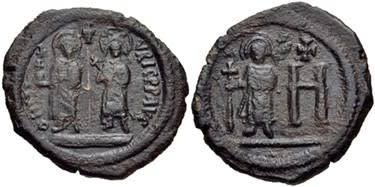
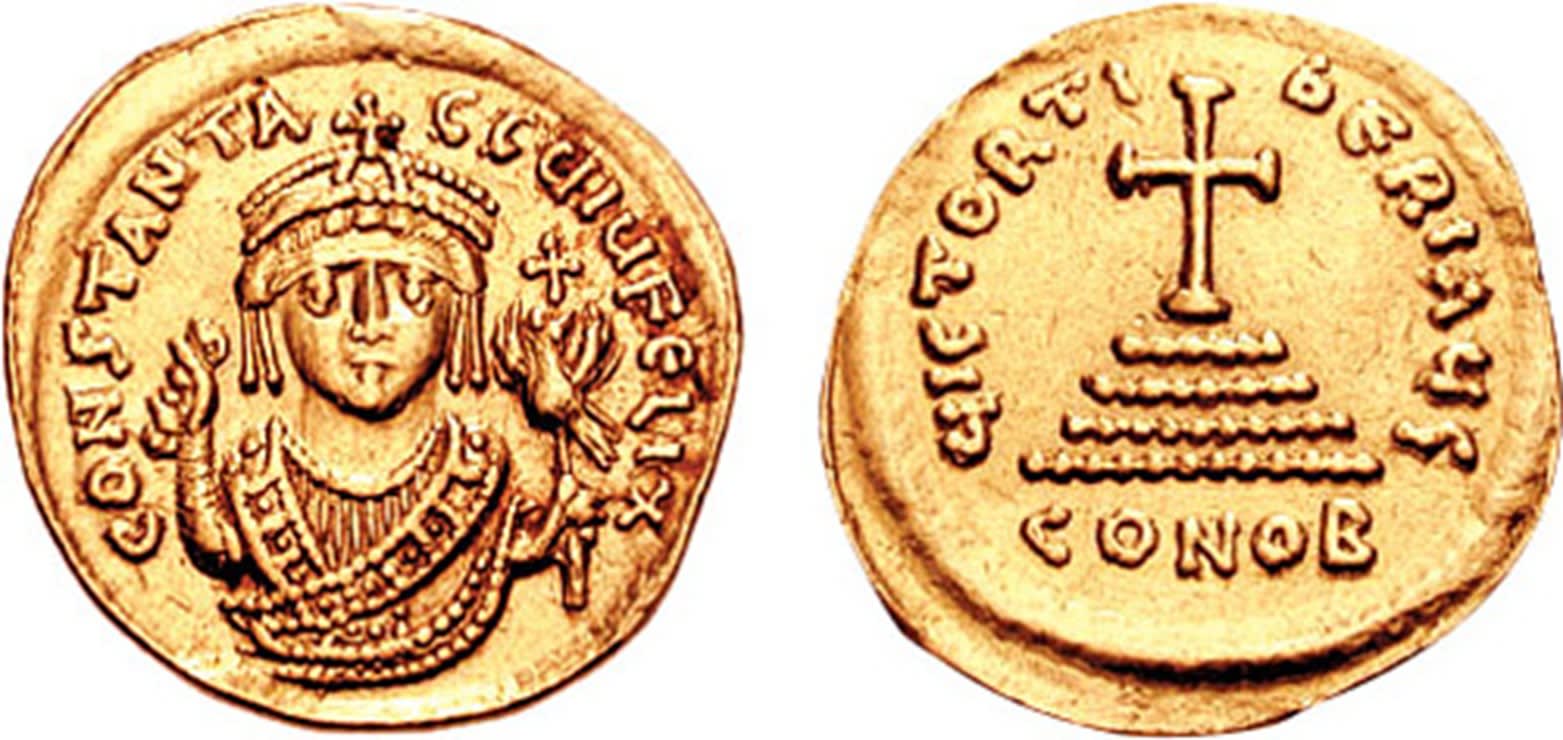
In August 582, Emperor Tiberius II, as he lay dying, faced a difficult choice. At first he intended to divide the empire between Maurice and Germanus, but in the end, on August 13, 582, Maurice was crowned as the sole heir and Augustus. Tiberius’s final words — “May my authority be passed on to you together with this girl” — marked not only the transfer of the throne, but also Maurice’s marriage to Constantina.
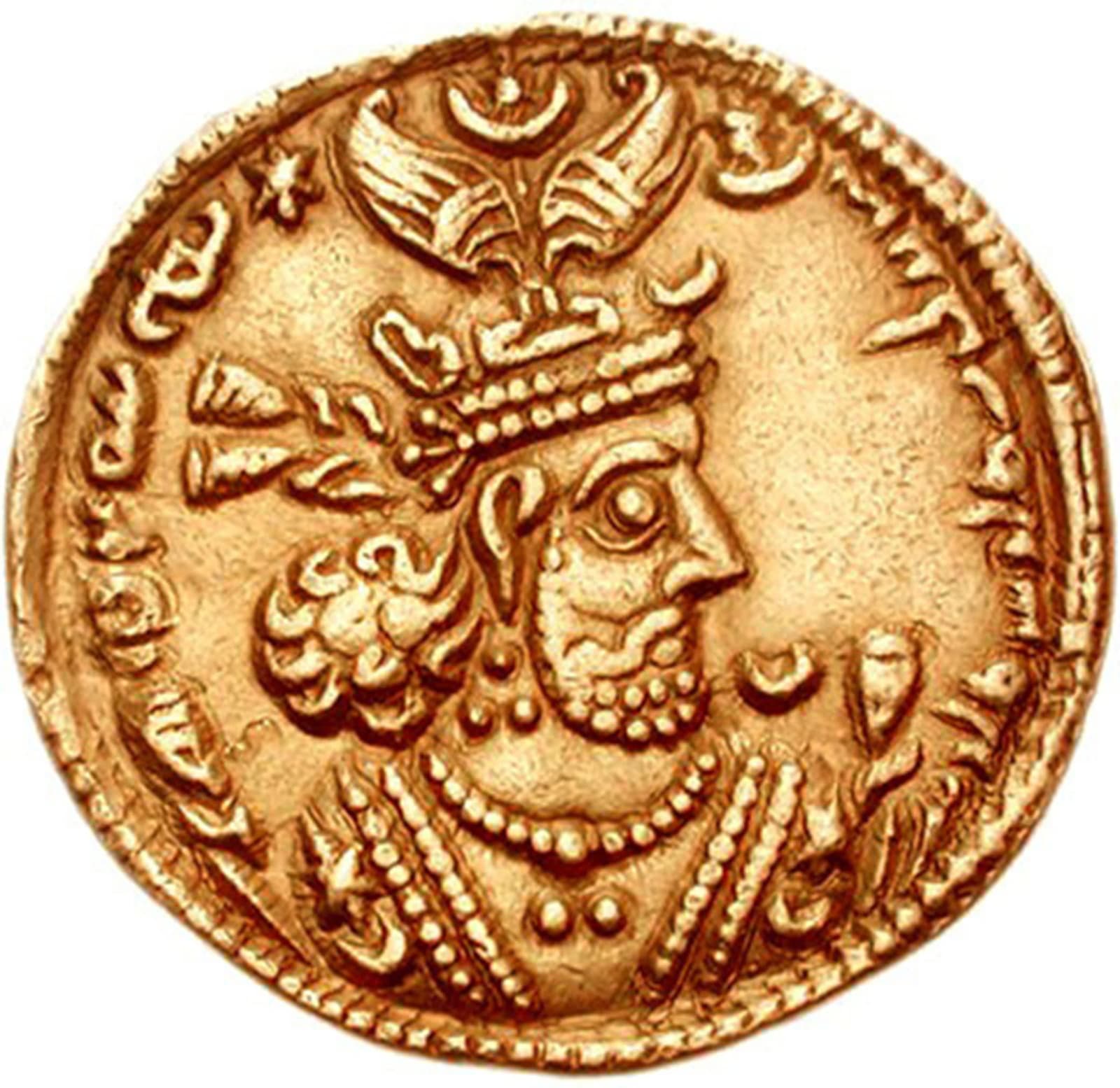
Maurice inherited the empire in a catastrophic condition: the treasury was empty, the Persians were advancing in the East, the Slavs and Avars were devastating the Balkans, and the annual tribute to the Avar Khaganate amounted to the colossal sum of 80,000 gold solidi. The decisive turning point came in 590, when civil war broke out in Persia. The deposed shah Khosrow II fled under Maurice’s protection. Against the opinion of the Senate, the emperor provided Khosrow with an army of 35,000 men. In 591, at the Battle of Blarathon, the rebel Bahram Chobin was defeated, and Khosrow was restored to the throne. In gratitude, the Persian ruler ceded western Armenia to Byzantium as far as Lakes Van and Sevan, including Yerevan and Ani. An “eternal peace” followed, saving the empire millions of gold coins and allowing Maurice to extend the frontiers farther than ever before.
Having secured peace in the East, Maurice personally led campaigns in the Balkans, something emperors had not done for centuries. After the fall of Sirmium in 581, the Slavs began settling the region en masse, threatening even Thessalonica and the Peloponnese. Between 591 and 602, Maurice and his generals — Priscus and the emperor’s brother Peter — conducted a series of punitive expeditions. The Byzantines crossed the Danube, crushing the Slavs and Avars in their own lands in Wallachia. By 602, the Danubian frontier had been restored, and the emperor was seriously planning to destroy the Avar Khaganate, resettling Armenian colonists on the depopulated lands.
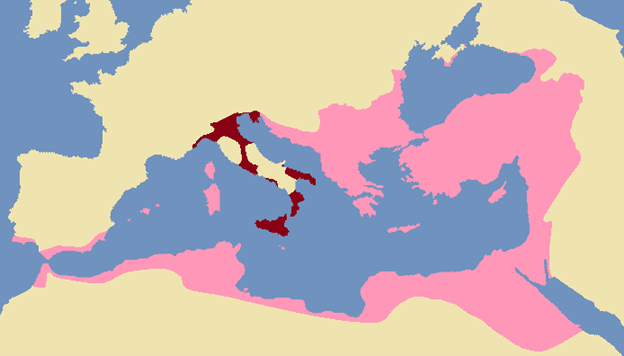
Maurice’s internal policy was aimed at consolidating power. He took a revolutionary step by creating the Exarchate of Ravenna in Italy in 584 and, in 591, the Exarchate of Africa in Carthage. By uniting civil and military authority in the hands of the exarchs, he created autonomous and viable military districts capable of effectively containing the Lombards and the Berbers. This system would later become the foundation of the famous Byzantine themes. Under Maurice, Greek finally became the official language of the empire, displacing Latin. In matters of faith, he showed a tolerance toward the Monophysites that was rare for the time, although he also clashed with Pope Gregory the Great over policy in Italy.
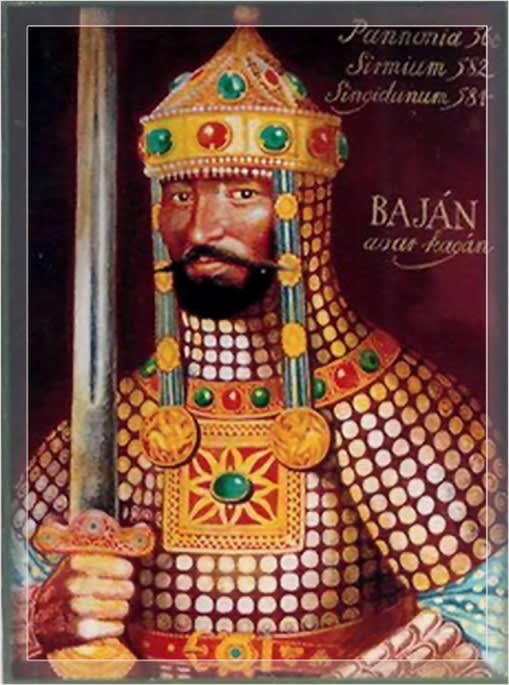
The cause of Maurice’s downfall was his harsh thrift, bordering on recklessness. In 588, the reduction of military pay provoked a mutiny in the East. In 599 or 600, the emperor made a fatal mistake by refusing to ransom 12,000 captives from the Avars; in anger, Khagan Bayan executed them all. The army’s resentment reached its peak in 602, when Maurice ordered his exhausted troops to remain in winter quarters beyond the Danube, on hostile territory.
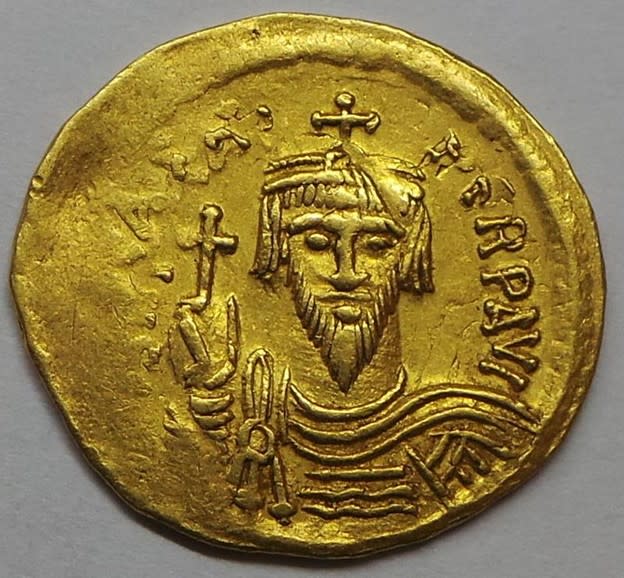
The legions proclaimed as their ruler a rough centurion named Phocas and marched on Constantinople. Disorder broke out in the city, worsened by famine and drought. Maurice fled with his family to Chalcedon, hoping for help from Khosrow II, but he was captured. On November 27, 602, one of the most heart-rending scenes in history unfolded: in the harbor of Eutropius, the emperor was forced to watch the execution of his five sons — Theodosius, Tiberius, Peter, Paul, and Justinian. Before each blow of the sword, he uttered the words of the psalm: “Righteous art Thou, O Lord, and just are Thy judgments.” Maurice himself was then beheaded. His wife Constantina and his three daughters were executed later.
Maurice left behind the great military treatise Strategikon, which remained a model of the art of command for centuries. His death became a catastrophe: Khosrow II, mourning his “adoptive father,” declared war on Byzantium, a conflict that bled both empires dry and opened the way for the Arab conquests. The Church canonized Maurice as a martyr, and legends say that he himself asked God to punish him in this life so that he might receive his reward in the next.
“He understood politics better than people” — this is how historians summarize the fate of this ruler, whose wise reforms might have saved the empire, had he not been unable to show flexibility in time toward those who held the swords in their hands.


