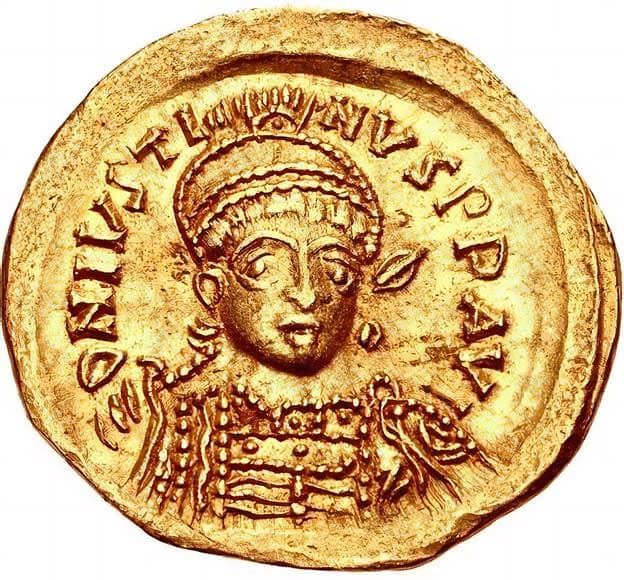
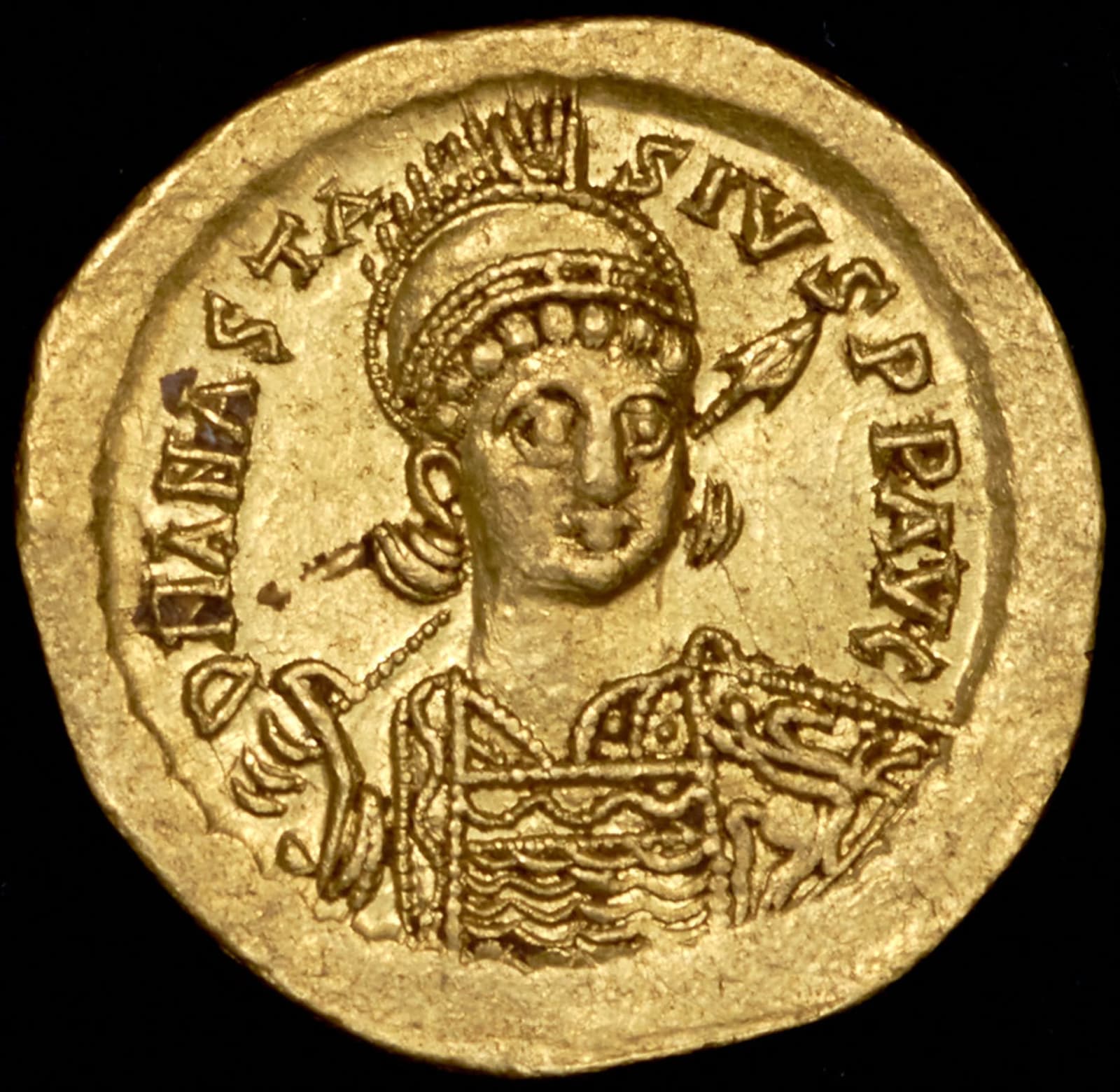
Born in 450 or 452 in the small village of Bederiana, the young man, driven by poverty and the lack of prospects, set out for Constantinople on foot around 470, carrying on his back nothing but dried bread and hope for better fortune. At that time Emperor Leo I was in the process of forming a new elite unit of the palace guard — the Excubitors — and Justin, tall and gifted with remarkable physical strength, was perfectly suited for service. His career advanced slowly but steadily: after outlasting the reign of Zeno, under Anastasius he had already distinguished himself as a dux in the Isaurian War (492–497), and later fought the Persians as a commander under Celer. By the end of Anastasius’s reign, Justin, now an honored veteran, had distinguished himself in suppressing the dangerous revolt of Vitalian, which finally secured for him the status of comes excubitorum and senator.
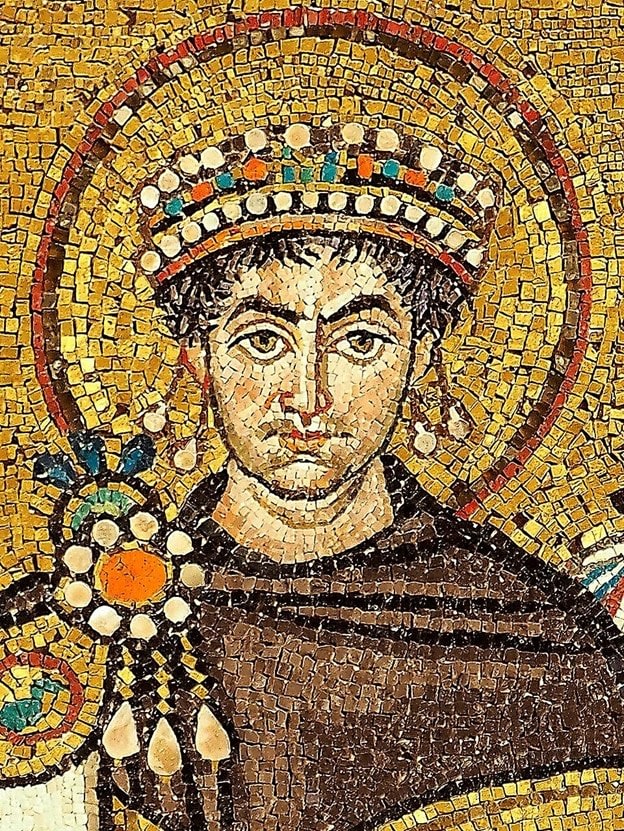
The fateful turning point came on the night of July 8–9, 518, when the eighty-year-old Anastasius died without leaving either children or an official successor. The capital plunged into chaos. The late emperor’s nephews lacked unanimous support, while religious disagreements only added fuel to the fire. The following morning, the Hippodrome filled with a roaring crowd demanding the immediate proclamation of a new Augustus. While the eunuch Amantius spun intrigues, trying to advance his protégé Theocritus, soldiers and senators vacillated between candidates. In the heat of the struggle, one of the officers even split Justin’s lip, yet in the end it was his figure that became the compromise acceptable to both Senate and army.
The ceremony was solemn and severe: standing upon a shield, Justin received the golden chain from the hands of Godila, commander of the lanciarii legion, and then Patriarch John II placed the crown upon his head. Yet the calm was illusory. Barely ten days later, Justin — or, as Procopius of Caesarea claimed, his ambitious nephew Justinian — had to suppress the conspiracy of Amantius. The potential rival Theocritus was brutally crushed with stones in prison, while the leaders of the plot were beheaded. This bloody purge marked the beginning of a new era, in which the real levers of power gradually passed to the emperor’s adopted nephew, Justinian, whom Justin had prudently summoned to the capital while he was still young and given the best possible education in law and theology.
In his Secret History, Procopius portrayed Justin as an illiterate old man who used a special wooden stencil to sign decrees. Although modern historians regard this as a clear exaggeration, it is evident that the emperor relied more on the sword than on the pen. One of his first acts was the restoration of Anastasius’s disgraced officials — Apion, Philoxenus, and Diogenianus — which helped stabilize the administrative apparatus. However, the most dangerous figure remained Vitalian, the recent enemy and influential leader in the Balkans. Justin pursued a policy of feigned reconciliation, making him consul in 520, but soon Vitalian was murdered in the palace itself during the games, and his post as commander of the field army was immediately taken by Justinian. At the same time, the empire was shaken by riots of the circus factions — the Blues and the Greens — which reached such proportions in Antioch that the authorities were compelled to cancel the local Olympic Games.
Justin I’s religious policy marked a sharp reversal from that of Anastasius. On July 15, 518, the crowd in Constantinople demanded a return to the canons of the Council of Chalcedon, and only five days later, at a local council, Monophysitism was effectively criminalized. The famous anti-Chalcedonian leader Severus of Antioch was forced to flee to Egypt.
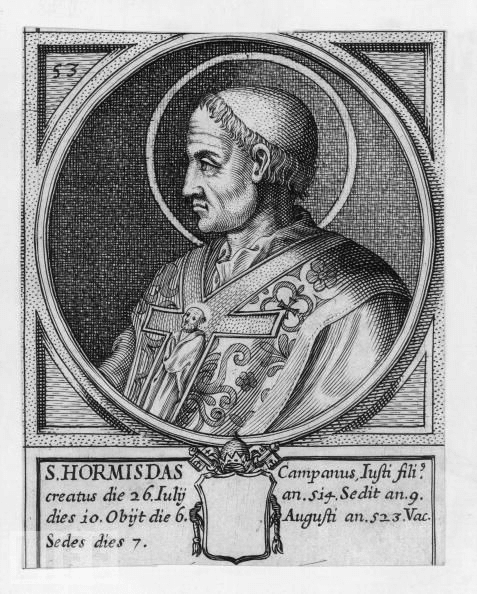
The chief aim of the imperial court became reconciliation with Rome and the ending of the Acacian Schism. On August 1, 518, Justin sent a letter to Pope Hormisdas, and already in the spring of 519 the papal legates triumphantly entered Constantinople. On March 28, the historic signing of the Libellus Hormisdae took place, according to which the eastern bishops recognized the authority of Rome, while the names of heretics were struck from the diptychs. Yet church peace was disturbed by the “Scythian monks” from Lesser Scythia, led by John Maxentius. They advanced the Theopaschite formula: “One of the persons of the Trinity suffered in the flesh.” Justin and Justinian hesitated at first, but later Justinian, sensing political advantage, supported the formula, hoping it would become a bridge between the hostile parties, although Pope Hormisdas long refused to accept any innovation.

In foreign policy, Justin acted as a defender of Christianity far beyond the empire’s borders. In 525 he organized a major military expedition to assist the Christian Kingdom of Aksum (Ethiopia) against the Jewish Himyarite Kingdom in what is now Yemen. The Himyarite king Dhu Nuwas had cruelly persecuted the Christians of Najran, and Justin, providing a fleet of seventy ships and a contingent under Justinian’s leadership, helped the Aksumites crush Himyar. This not only protected fellow Christians, but also secured for Byzantium control over the most important trade routes to India.
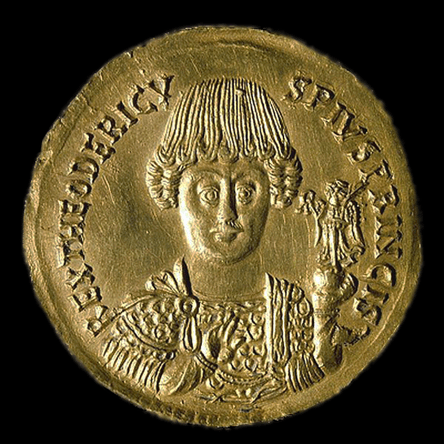
In the north, the emperor maintained a delicate balance with the Ostrogothic Kingdom of Theoderic the Great. In 519, Theoderic’s son-in-law Eutharic was appointed consul, and Justin even formally adopted him in order to strengthen ties. However, by the end of Justin’s reign, in 526, the death of Theoderic in Ravenna triggered a crisis of succession. The Gothic embassy that arrived in Constantinople found the emperor already in the twilight of his life. In the spring of 527, feeling the approach of the end, Justin officially proclaimed Justinian his co-ruler. On August 1, 527, the great “peasant emperor” died, leaving to his heir an empire that was stronger, financially stable, and religiously unified, ready for the great achievements of the age of Justinian.


