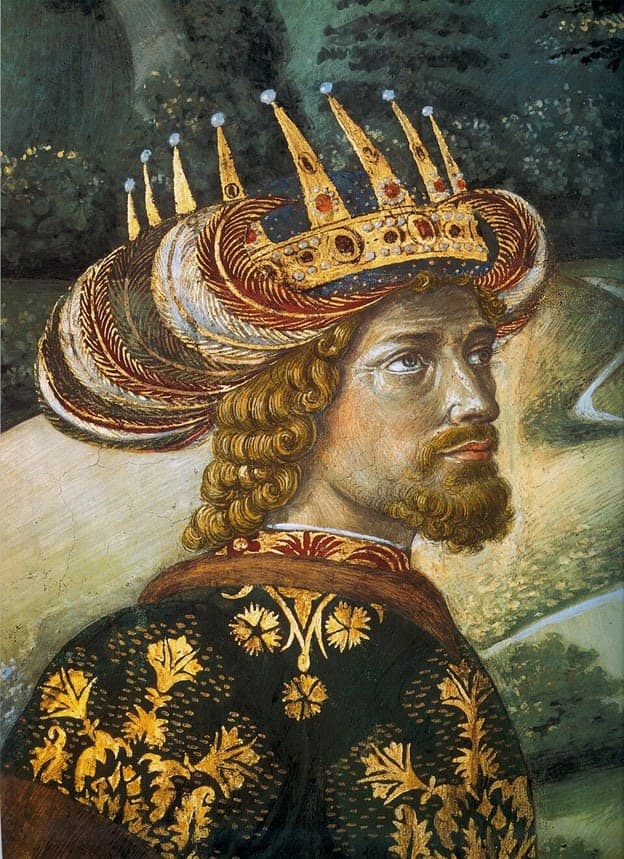
As the eldest son of the outstanding emperor Manuel II and Helena Dragaš, John was prepared from an early age for the heavy burden of rule. His state activity began long before his sole reign: as early as 1421, he was officially recognized as co-emperor of his father, gaining experience in government under the conditions of constant Ottoman threat. After Manuel’s death on July 21, 1425, John VIII became the full and sole ruler of the Romans, inheriting an empire that by that time had effectively shrunk to Constantinople with its suburbs and a few enclaves in Greece.
The first years of his reign were marked by military successes rare for that period. Between 1428 and 1432, John managed to accomplish the almost impossible: nearly the entire territory of the Morea, or the Peloponnese, returned under the authority of the Roman scepter. Only four strategically important ports remained under Venetian control — Argos, Nauplia, Coron, and Modon. This revival of Byzantine influence in the Peloponnese became the last major territorial achievement of the empire before its final fall.

However, on other fronts the situation was catastrophic. The pressure of the Ottoman Turks did not weaken for a single day. In 1430, the empire finally lost Thessaloniki — the second most important city of the state, which came under the sultan’s rule. A year later, in 1431, the despot of Epirus, Carlo II Tocco, recognized himself as a vassal of the Ottomans, tightening the ring around Constantinople even further. After the peace treaty of 1424, Turkish possessions directly bordered the suburbs of the capital, making its capture only a matter of time.
John VIII clearly understood that without large-scale military aid from the Christian West, Byzantium was doomed. He considered the only path to obtaining such aid to be the union of the Orthodox and Catholic Churches under the supremacy of the Pope of Rome. This decision became the central event of his life and the most controversial page of his biography.
In 1437, leaving Constantinople under the administration of his brother Constantine, the future last emperor Constantine XI, John set out for Italy at the head of a representative delegation. The embassy included the patriarch and the most prominent hierarchs of the Church. The emperor spent more than two years in Italy, taking part in the sessions of the Ecumenical Council, which was held first in Ferrara and then in Florence.
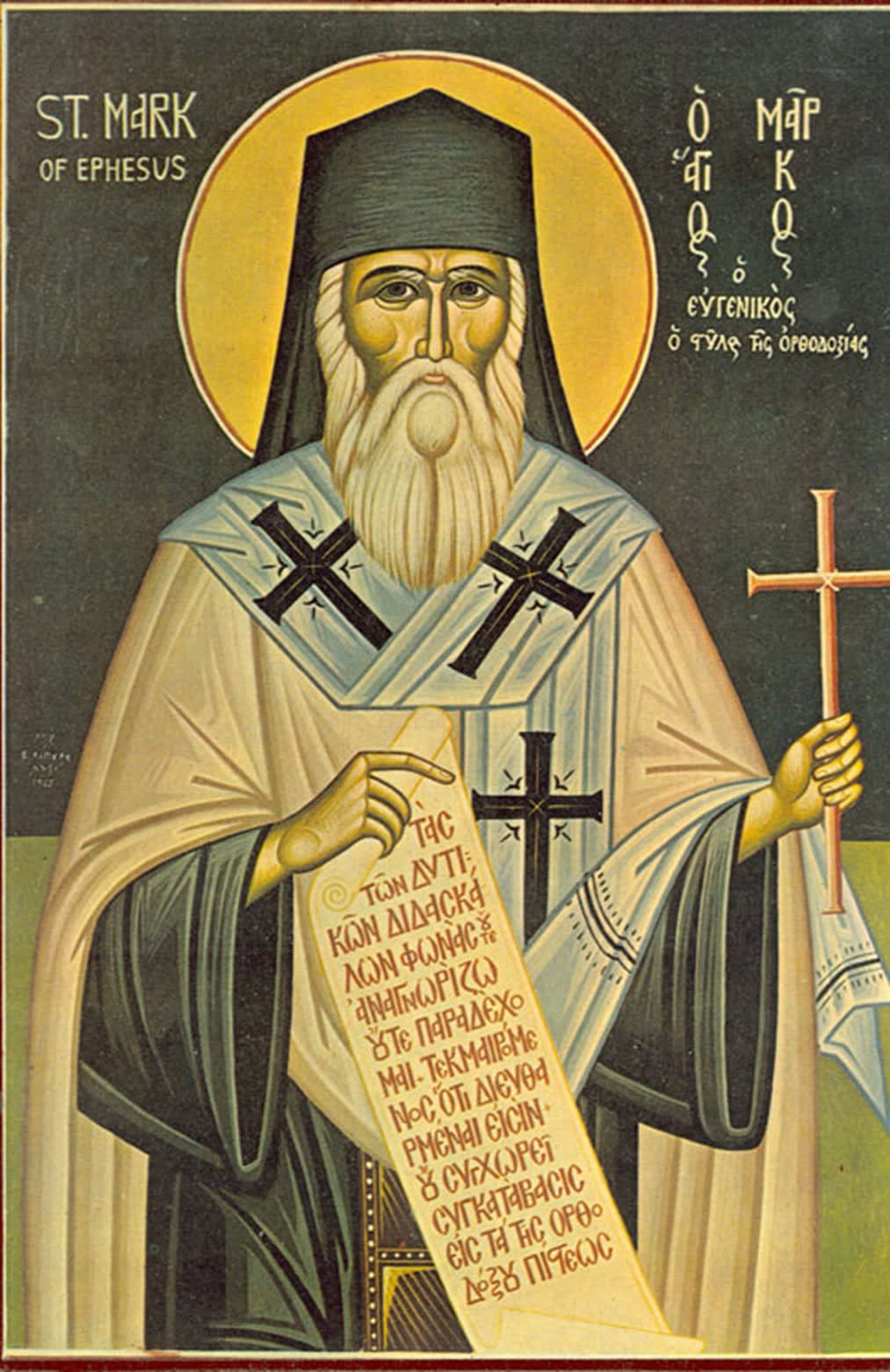
The negotiations were extremely painful. At John’s initiative, the Orthodox delegation was headed by Mark of Ephesus, who had been specially elevated to the rank of metropolitan. Discussions on dogmatic questions often reached deadlock, and the delegates were ready to interrupt the council. However, the emperor, driven by political necessity, showed severity: he forbade the bishops to leave Italy before an agreement was signed. In the end, under enormous pressure, the Orthodox representatives yielded to the Catholics on almost all fundamental dogmatic disputes.
On July 5, 1439, the Union of Florence was signed. For Catholic Rome, it was a triumphant victory; for John VIII, it was the last hope for the salvation of the empire.
The emperor’s hopes that the union would bring peace and support began to collapse immediately after his return. On February 1, 1440, the delegation arrived in Constantinople, but instead of rejoicing it met cold alienation and open hostility. The people and most of the clergy perceived the union as a betrayal of the faith.
Churches emptied, the priests of Hagia Sophia refused to serve with the “Latins,” and the emperor’s name ceased to be commemorated in prayers. Even other Orthodox Churches, including the Russian Church, categorically rejected the decisions of the council. The internal schism paralyzed the city. Only in May 1440 did the emperor manage to place a supporter of the union, Metrophanes of Cyzicus, on the patriarchal throne — and even then only after other authoritative candidates, including Mark of Ephesus, refused the see and secretly left the capital in protest.
The final blow for John came from the fronts. The Crusade summoned by the Pope of Rome in response to the union ended in catastrophe. In 1444, the Christian army suffered a crushing defeat at Varna. Four years later, in 1448, news arrived of the defeat of the united forces at the Battle of Kosovo.
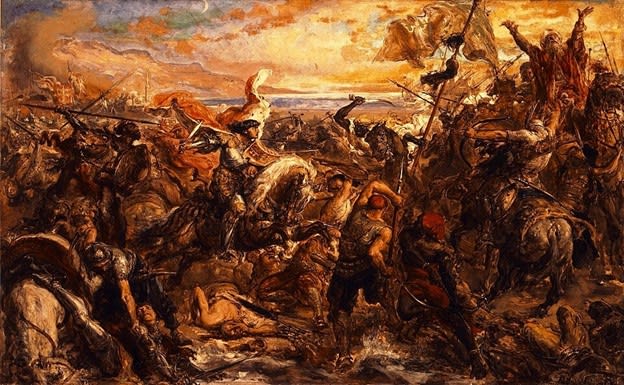

This meant that no help would come anymore. John VIII saw the ring closing around his city, a ring that no one would be able to break. Burdened by the awareness of the inevitable destruction of the state and by the deep internal discord in the Church, the emperor died on October 31, 1448. He died childless, leaving the throne to his brother Constantine. His reign became a tragic attempt to purchase life for the empire at the price of its spiritual identity.


