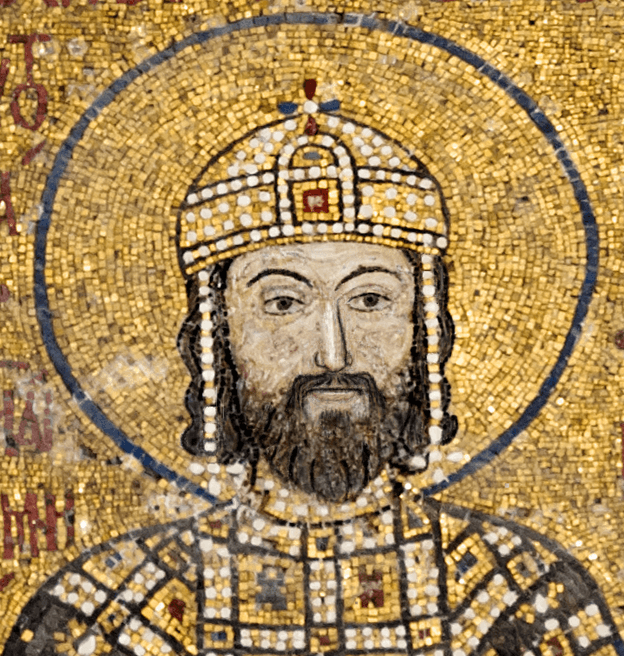

The story of the life and reign of Emperor John II Komnenos is a majestic saga of the restoration of Byzantium’s former greatness, filled with both brilliant triumphs and profound personal tragedies. His path began on Monday, September 13, 1087, when the long-awaited heir was born into the imperial family of Alexios Komnenos and Irene Doukaina. The celebration of this event was unprecedented in its splendor: Alexios I sought at all costs to secure the newborn son’s rights to the throne before the people and the nobility. Baptized within the sacred walls of Hagia Sophia by Patriarch Nicholas III, the infant John was immediately crowned with a diadem, marking his status as the future basileus.

However, John’s very birth became the catalyst for a hidden palace coup. Until that moment, Constantine Doukas, the son of the deposed emperor and the fiancé of Alexios’s eldest daughter, Anna Komnene, had been considered the heir. John’s birth overturned these plans, causing a deep split within the imperial family. Alexios’s wife, Irene Doukaina, sided with her daughter, which led to many years of tension. Nevertheless, in 1092 John was officially crowned as co-emperor, a decisive step in the consolidation of the Komnenian dynasty. His position was further strengthened by international alliances: in 1104 or early 1105 he married the Hungarian princess Piroska, baptized as Irene, which secured the empire’s rear in the face of Venetian and Norman threats. By 1108, according to the Treaty of Devol, even such formidable enemies as Bohemond of Taranto were forced to recognize John as the “purple-born heir” of a great power.

The transfer of power in August 1118 resembled a scene from classical drama. While Alexios I was fading away in the Mangana Palace, threads of conspiracy were being woven around him. Empress Irene and Anna Komnene fiercely tried to persuade the dying ruler to hand the throne to Anna’s husband, Nikephoros Bryennios, presenting John in a bad light. On the night of August 15–16, when the emperor breathed his last, John acted decisively and boldly. According to the chronicles, he secretly entered his father’s bedchamber and removed the imperial signet ring from his hand — according to some historians, with Alexios’s own consent. Immediately arriving at Hagia Sophia, he was crowned by Patriarch John IX and, relying on the loyalty of his brother Isaac, occupied the Great Palace. His caution was justified: fearing assassination, he even missed his father’s funeral, and soon his suspicions were confirmed — his sister Anna organized a plot to murder him. Only the cowardice of her husband, who failed to appear at the conspirators’ meeting, saved the life of the new basileus. Showing mercy rare for that era, John later returned confiscated property to his enemies, focusing on construction rather than revenge.

Hardly had he secured the throne when John II turned his gaze eastward. In 1119–1120 he launched a large-scale campaign against the Seljuks, capturing Laodicea and Sozopolis and thereby restoring control over the strategic routes of Anatolia. But peace did not last long. A threat again emerged in the north: in 1122 the Pechenegs, having recovered from earlier defeats, invaded the empire. The decisive battle took place near the city of Beroia. The emperor, personally taking part in the fighting, was wounded by an arrow in the leg but did not retreat. The outcome of the battle was decided by the Varangian guardsmen, who smashed the Pecheneg wagon fortifications to pieces with their heavy axes. This victory was so significant that a special “Pecheneg festival” was celebrated in Constantinople until the end of the century. At the same time, conflict developed with Kievan Rus’, where Vladimir Monomakh supported a claimant to the Byzantine throne. Only in 1123 did diplomacy prevail: peace was sealed by the marriage of the emperor’s son Alexios to Monomakh’s granddaughter.

Matters at sea were more difficult. John’s refusal to confirm Venice’s trading privileges in 1122 led to a destructive war. The Venetian fleet under Doge Domenico Michiel devastated the islands of Corfu, Rhodes, Chios, and Lesbos. In 1126 the emperor had to make concessions, renewing his father’s “golden bull,” a painful but necessary compromise that allowed him to concentrate his forces in the east.
Between 1130 and 1135, John conducted a series of brilliant campaigns against the Danishmendid emirate. After the capture of Kastamon in 1133, he staged a grand triumph in the capital, where an icon of the Mother of God was carried before him on a silver chariot, while the emperor himself walked on foot, demonstrating humility before God. His victories in Asia Minor allowed the empire to shift from defense to offense, although he bitterly noted that after decades of Turkish rule many local Christians had already grown accustomed to the authority of the sultans. To secure the western borders, John in 1135 concluded an alliance with the German emperor Lothair II against the Sicilian king Roger II, which allowed him to free his hands completely for action in the Levant.

The culmination of his foreign policy came in his campaigns against Cilicia and Antioch. In 1137 the Byzantine army crushed the Armenian prince Leo I, returning the cities of Tarsus and Adana to the empire. Then came Antioch’s turn. By confronting Prince Raymond of Poitiers with the reality of superior force, John secured recognition of the principality’s vassal dependence. In 1138 the allied forces of the Romans and the Crusaders marched against Emir Zengi. The siege of the city of Shaizar brought the emperor rich trophies, including ancient Christian relics lost after the Battle of Manzikert. However, the intrigues of the Latins in Antioch prevented John from finally consolidating his authority in the city, and he was forced to withdraw temporarily.
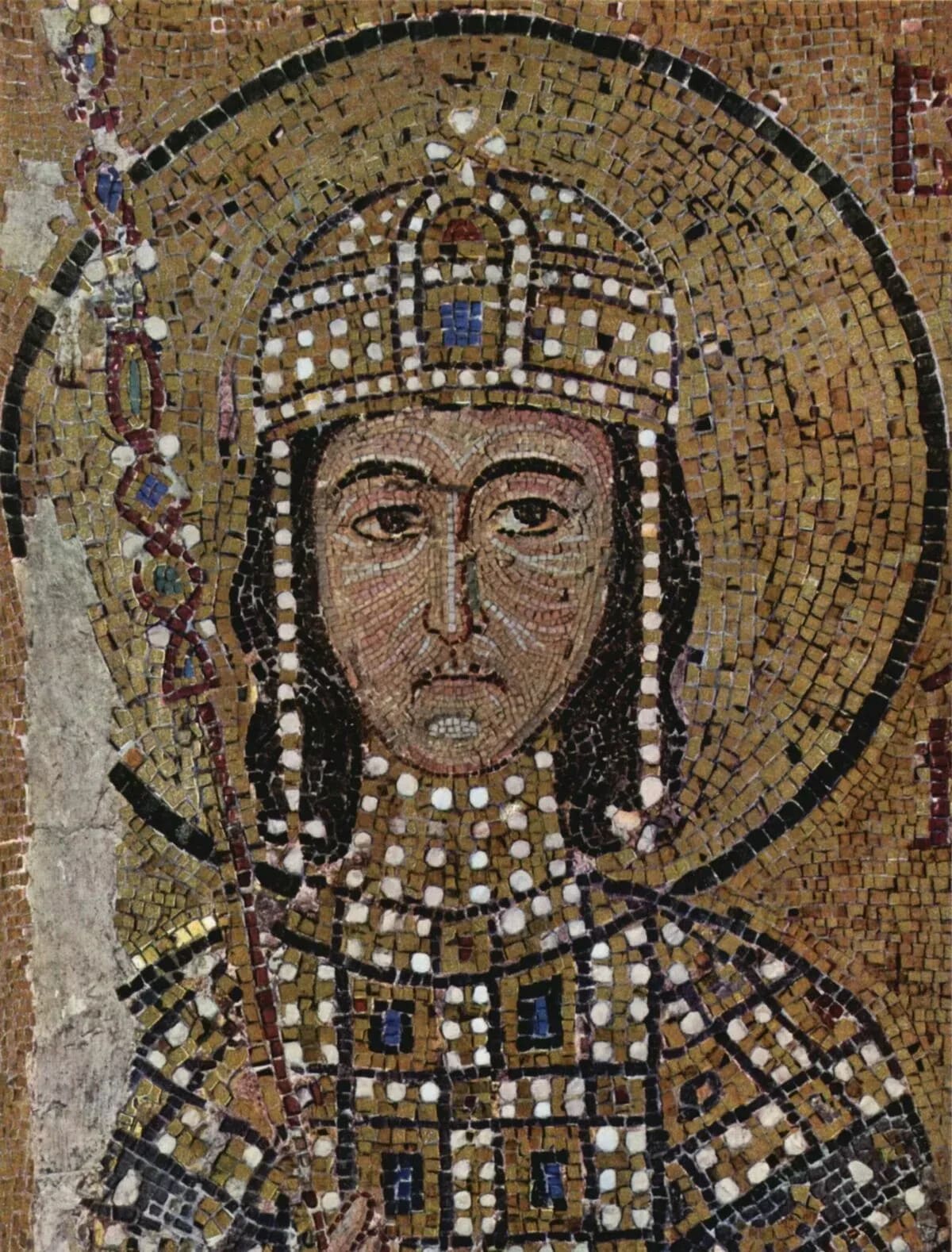
The final years of the emperor’s life were darkened by the bitterness of loss. During the campaign of 1139–1141 against Muhammad Danishmend, he was betrayed by his nephew John, who converted to Islam. In 1142, during the expedition to Attaleia, disaster struck: his eldest son and heir Alexios died of fever, and soon afterward his second son, Andronikos, followed him. These losses broke the spirit of the basileus, but he continued to fulfill his duty as ruler.

The end of this great life came suddenly. In March 1143, while hunting in the mountains of Cilicia near Anazarbos, John accidentally wounded his hand with a poisoned arrow. Gangrene set in. Refusing the amputation proposed by his doctors, the emperor faced the end with courage. On April 8, 1143, after assembling a final council, he transferred power to his youngest son Manuel, seeing in him the firmness of spirit that his elder surviving son Isaac lacked.
John II Komnenos entered history under the name Kaloioannes — “John the Beautiful.” He received this nickname not for his appearance — he was dark-complexioned and unremarkable — but for the exceptional beauty of his soul. During his entire reign, he did not execute a single person or mutilate anyone, something unheard of for Byzantium. He transformed the empire into a powerful military state and restored its authority on the international stage. His legacy was restored borders, a reformed army, and an era of stability that his son Manuel was able to maintain for decades more. John died as a warrior, having spent almost his entire life in a campaign tent, leaving behind the memory of the noblest ruler of the Komnenian house.


