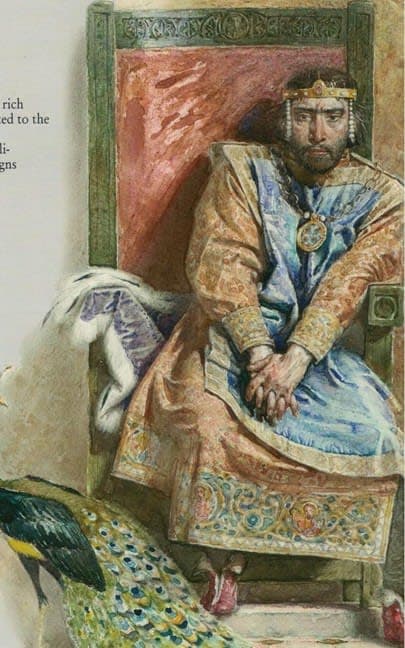
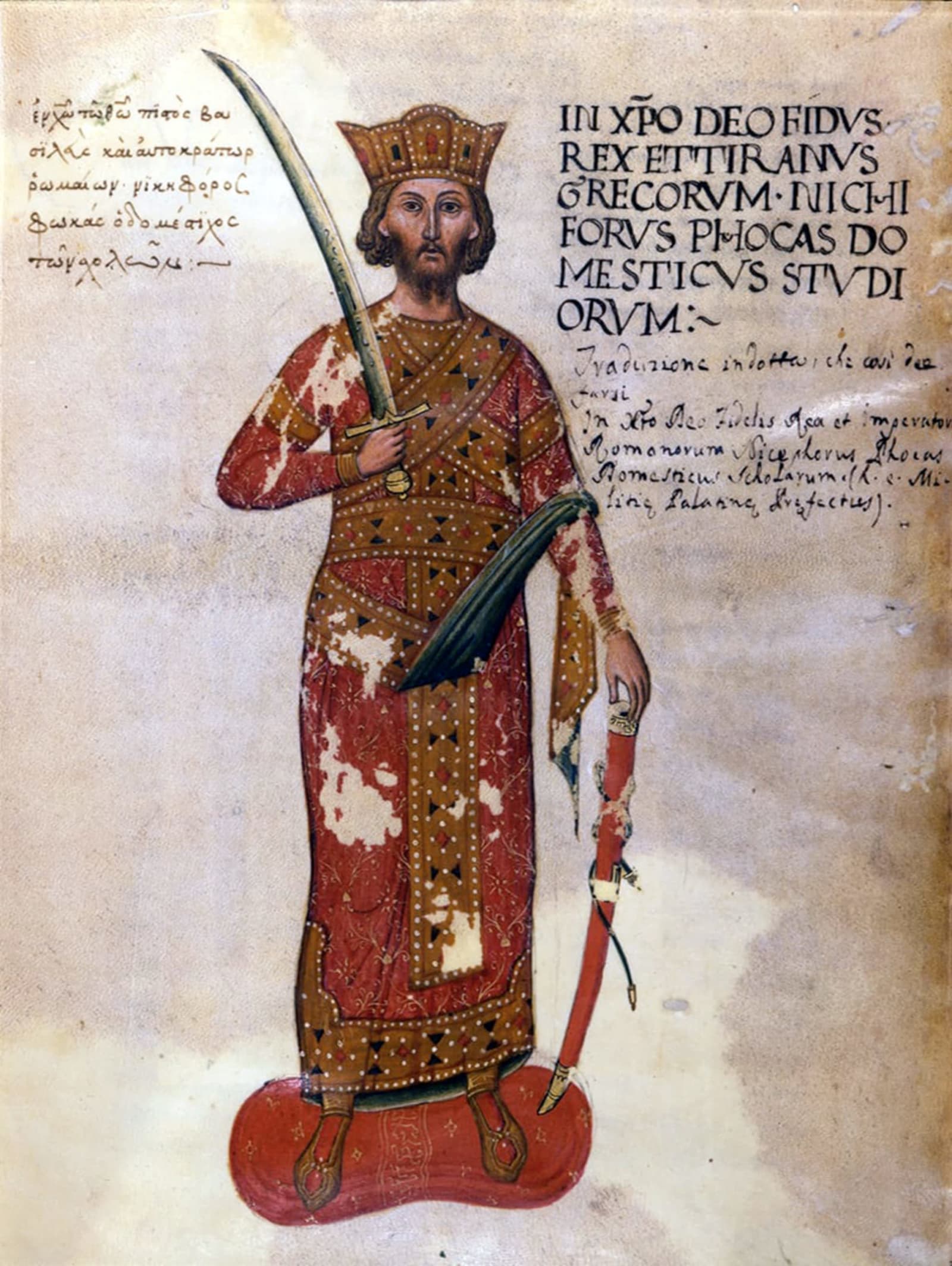
John came from the renowned Armenian family of the Kourkouai — a warrior dynasty that had served the empire faithfully for generations. He received his nickname “Tzimiskes” (from the Armenian tsmshkik — “small,” “short”) because of his slight stature, which, however, was more than compensated for by his immense strength and indomitable spirit. As the nephew of the soldier-emperor Nikephoros II Phokas, John for a long time served as his right hand, but fatal passion and political ambition drove him to betrayal. Entering into conspiracy with his lover, Empress Theophano, John took part in the brutal murder of his uncle on the night of December 11, 969.
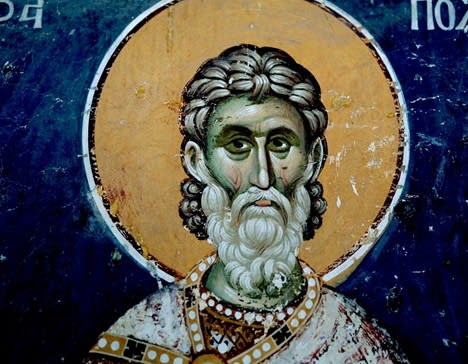
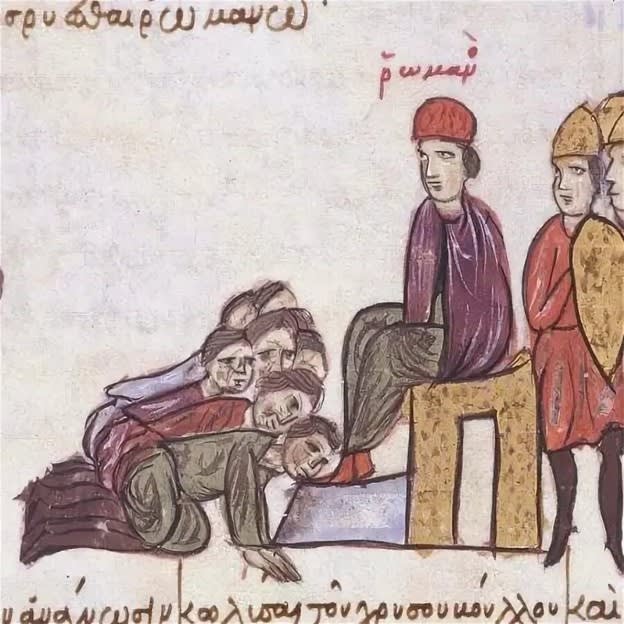
Yet the path to the throne was blocked by Patriarch Polyeuktos. The head of the Church refused to crown a regicide until he had cleansed himself of guilt. Showing a flexibility unusual for a soldier, John repented: he handed over his accomplices for punishment, accusing them of committing the crime on their own initiative, and he removed Theophano from the court. To reinforce the image of a “new man,” John turned to acts of mercy: he distributed his property to the poor and founded a hospital for lepers, where, according to contemporaries, he personally dressed the suppurating wounds of the sick, not shrinking from the dirtiest work.
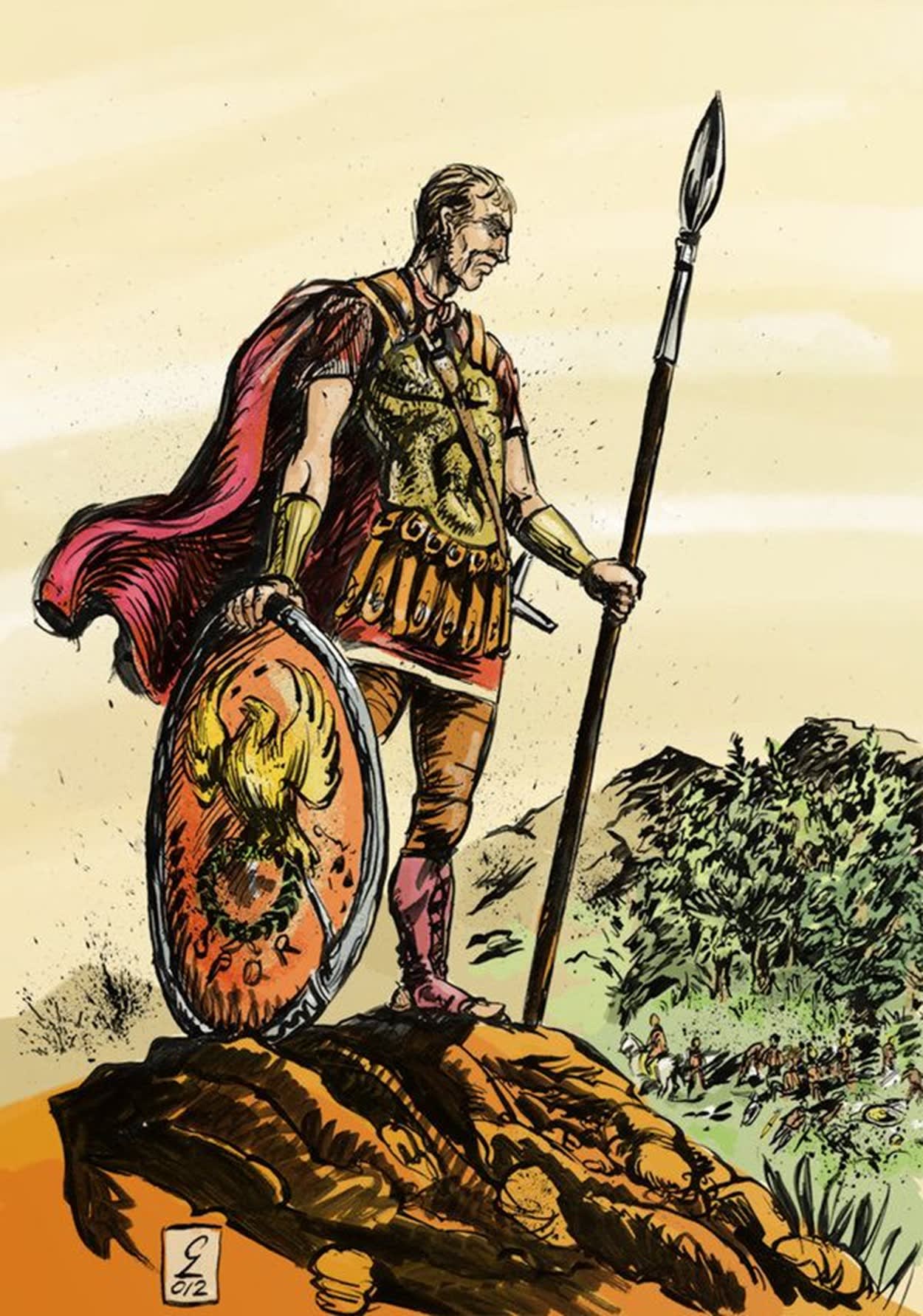
Tzimiskes assumed power at a critical moment. Byzantium was suffering from a three-year famine, its conquests in Syria hung by a thread, and from the north there loomed a terrible shadow — the Kievan prince Sviatoslav, who had seized Bulgaria and set his sights on Constantinople itself.
John acted with great speed. His first task was to restore order within the country, suppressing the famine riots. Then he turned his gaze eastward. The first major victory came in 970 near Alexandretta, achieved by the talented eunuch Nicholas, and this allowed the empire to secure Antioch firmly. At the same time, a revolt broke out in Asia Minor under Bardas Phokas, nephew of the murdered emperor. Tzimiskes entrusted its suppression to another general, Bardas Skleros. Skleros, showing both cunning and skill in bribery, won over part of the rebels and defeated the insurgents; the captured conspirators were blinded by John’s order.
John’s true test awaited him in Bulgaria. Sviatoslav, intoxicated by his victories, wrote letters calling upon the Greeks to depart for Asia. In response, Tzimiskes reminded the prince of the unhappy fate of his father Igor and swore that the Rus’ would not return home.
In the spring of 970, Skleros defeated the Rus’ army in the Battle of Arcadiopolis, but the decisive offensive began in the spring of 971, when John personally led the northern campaign. Events moved rapidly:
On April 12, 971, the Byzantines suddenly approached the Bulgarian capital, Preslav.
On April 14, 971, the city fell after a fierce assault. The treasury of the Bulgarian tsars fell into Greek hands, and the seven-thousand-strong Rus’ garrison was annihilated.
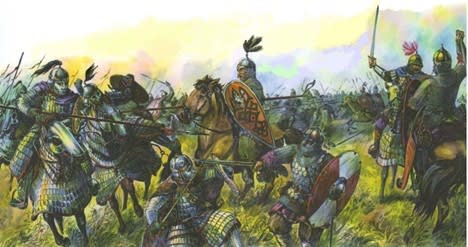
A week later, the armies met near Dorostolon. After a bloody battle, in which Tzimiskes at the crucial moment threw his heavy cavalry into the fight, Sviatoslav retreated behind the walls of the fortress.
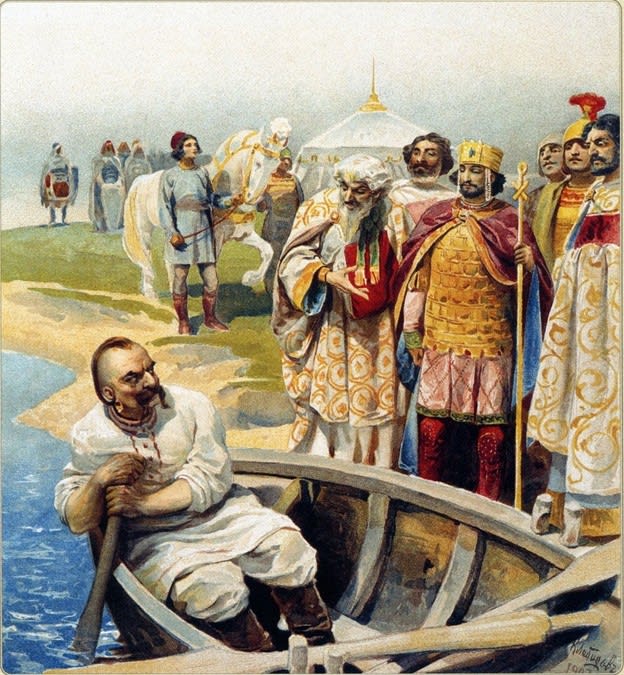
An exhausting siege began. On July 18, the Rus’ made a sortie and killed the magistros John Kourkouas, but they were unable to reverse the course of the war. In the final battle on July 21, the prince narrowly escaped death at the hands of the son of the former emir of Crete. Wounded and drained of strength, Sviatoslav asked for peace. John showed magnanimity: he allowed the Rus’ to depart with their weapons and provisions in exchange for a promise never again to attack the empire. He turned his triumph in Constantinople into a symbol: the crown of the Bulgarian tsar Boris was offered to the Church of Hagia Sophia, signifying the complete destruction of Bulgaria’s independence.
Having secured the north, Tzimiskes directed the full strength of the empire against the Abbasid Caliphate. His eastern campaigns became legendary.
The campaign of 972, during which the cities of Amida, Martyropolis, and Nisibis were taken.
The campaign of 974–975: the emperor marched through Syria and Palestine in triumph. Under the blows of the Romans, Emesa, Heliopolis, Nazareth, and Caesarea of Palestine fell. Damascus itself surrendered to him.
Byzantine standards once again flew in lands where they had not been seen for three centuries. John came close to reaching Jerusalem and Baghdad, and only the lack of water in the desert forced him to turn back. It was during this period that the ecclesiastical tax known as the kanonikon was legalized, filling the treasury for future achievements.
Returning from his second eastern campaign in the summer of 975, John passed by the flourishing plains of Mesopotamia. Looking at the rich estates, he asked bitterly, “To whom do these lands belong?” He was told that all of them were the possessions of the chief minister, the parakoimomenos Basil Lekapenos. In anger, the emperor exclaimed that soldiers shed their blood while all the riches went to a eunuch.
These words became his death sentence. Fearing confiscation, Basil Lekapenos, according to the chronicles, bribed the cupbearer. At the beginning of 976, probably on January 10, John I Tzimiskes died suddenly, not having had time to secure the fruits of his great victories. Before his death, he left all his personal wealth to the poor.
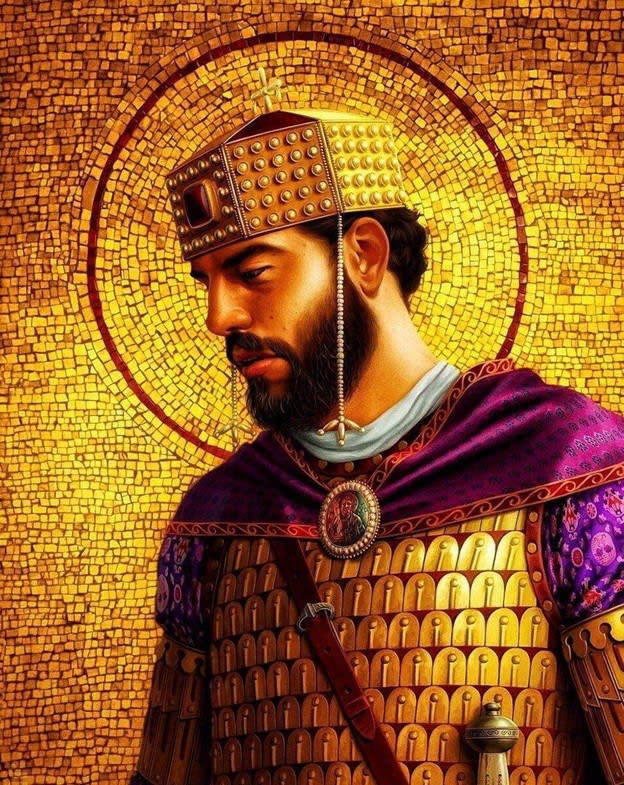
Leo the Deacon has left us a vivid portrait of the emperor: “A white face, blue eyes, fair hair, a reddish beard...” Despite his small stature, he possessed “giant strength” and agility, which allowed him to hurl himself alone into the enemy ranks and return unharmed. He was generous to the point of extravagance and merciful to the point of sanctity, though not without ordinary human weaknesses — he loved feasts and strong wine.
John Tzimiskes left to his nephew and heir, Basil II, a great, renewed, and formidable empire, preparing the ground for the coming “Golden Age” of Byzantium.


