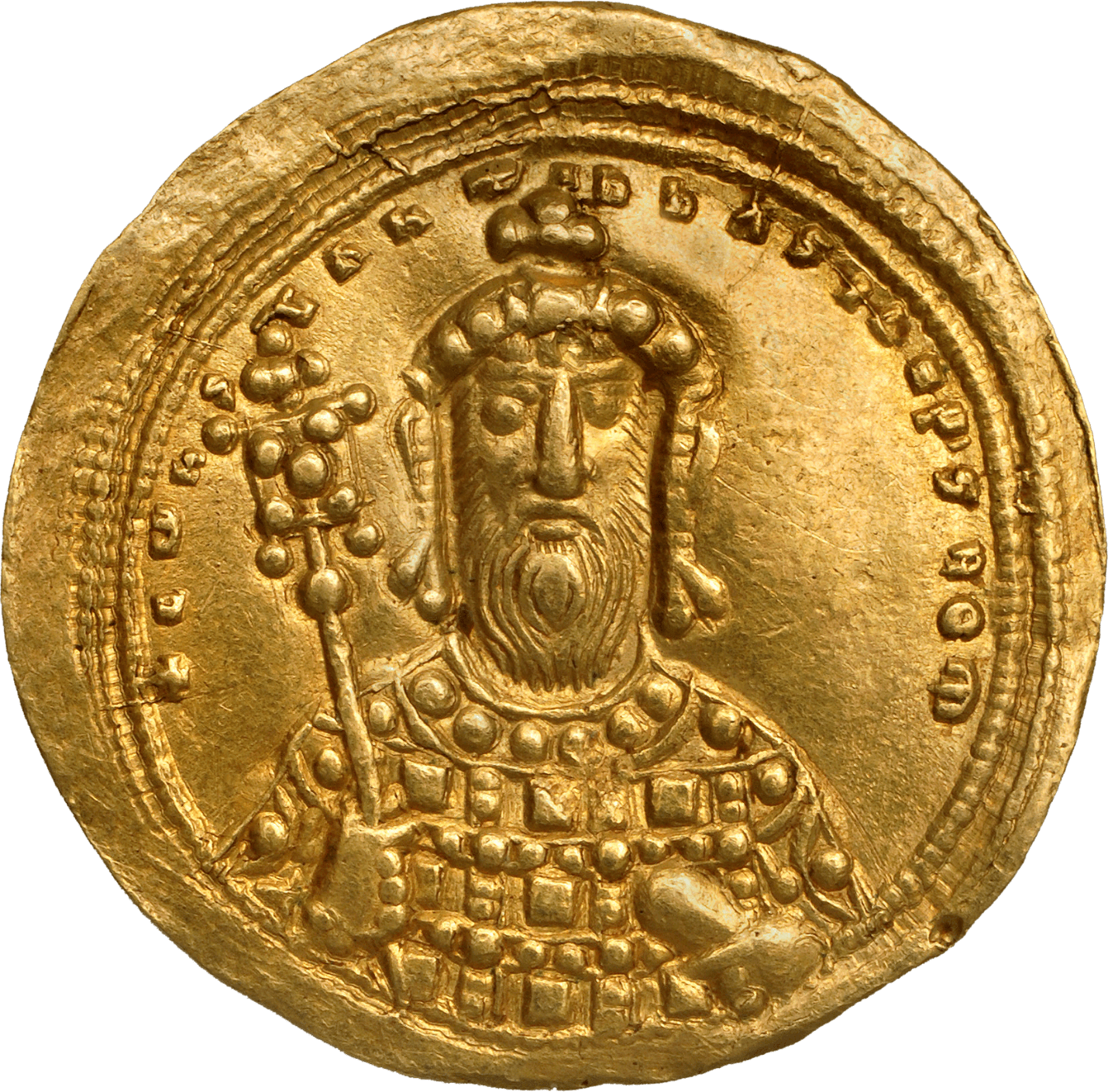

The reign of Constantine VIII became that fatal watershed beyond which the greatness of the Byzantine Empire began its steady decline toward sunset. After the death of his brother, the great warrior Basil II the Bulgar-Slayer, whose rule had left behind a most powerful state with well-established reforms and a victorious army, the burden of power fell upon the shoulders of the sixty-five-year-old widower Constantine.
By that point, he had formally been his brother’s co-ruler for many decades, yet throughout all that time he had preferred to remain in the shadows, enjoying only the privileges of his rank while taking no interest whatsoever in affairs of state. Once he became sole ruler, he did not change his habits: historians describe his life as an endless sequence of “extravagant pleasures,” behind which there lay a complete unwillingness to bear responsibility for the fate of a great empire.
Constantine’s sole rule was marked by unparalleled squandering of the state treasury, which Basil II had filled with such effort. In order to cover the cost of his whims and luxurious lifestyle, the emperor imposed an unprecedented tax burden upon his subjects. His policy lacked all sound judgment: Constantine ordered taxes for all previous years of crop failure to be collected in full, bringing the peasantry to the brink of survival. The situation was worsened by rising levies on the urban population, which inevitably led to social explosion.
In 1026, revolt broke out in Naupaktos. Local inhabitants, driven to desperation by the oppression of the city’s strategos, who collected taxes with particular cruelty, killed the official and plundered his property. The unrest did not remain confined to the common people: discontent also spread among the military elite, who had been accustomed to the iron hand of Basil II and despised the idleness of the new monarch. Before long, conspiracies were formed against the emperor, led by Nikephoros Komnenos and members of the influential Phokas family.


The Byzantine military aristocracy, which Basil II had kept under strict control, quickly realized that the new emperor lacked any moral foundations. The aristocrats began to exert constant pressure upon Constantine, seeking to regain their former influence and privileges. Under this pressure, Constantine took a fatal step — he repealed his brother’s famous land laws, which had protected peasant holdings from being absorbed by great landowners. The highest offices of state began to be filled by random and unqualified men, whose loyalty was bought at the expense of the interests of the empire.
For all his idleness, Constantine was marked by impulsive and pathological cruelty. Consumed by fear of losing the throne, he unleashed repression upon the elite, often on the basis of mere suspicion alone. Those accused of conspiracies or of “improper conduct” were subjected to refined tortures or sentenced to blinding. With particular fury, the emperor persecuted the descendants of Bardas Phokas and Bardas Skleros, seeking to eradicate once and for all the memory of the great generals of the past. It is precisely this period that historians call an “absolute catastrophe” and the beginning of the collapse of the empire’s military strength.

Constantine VIII ruled alone for less than three years. In the autumn of 1028, his health sharply deteriorated. The sources differ on the exact date of his death, giving either November 11 or November 12. Having no male heir, the dying emperor was forced to resolve the question of succession in haste. His initial choice fell upon Constantine Dalassenos, the doux of Antioch, whose family was famed for its unwavering loyalty to the Macedonian dynasty. Dalassenos was summoned from his estates in the Armeniakon theme, with the intention of marrying him to the emperor’s daughter Zoe.
However, while Dalassenos was still on the way, the emperor’s inner circle, fearing a strong and independent ruler, persuaded Constantine to change his decision. The advisers preferred the candidacy of Romanos Argyros, seeing in him a more pliable and manageable figure. Characteristically for Constantine’s entire nature, he agreed to the change without resistance. Romanos was forced to divorce his lawful wife and was hastily married to Zoe on November 12. Only four days after the wedding, Constantine VIII passed from this world, and Romanos was crowned. Thus ended the reign of the last direct male-line descendant of the great Macedonian emperors, leaving Byzantium in a state of deep systemic crisis.


