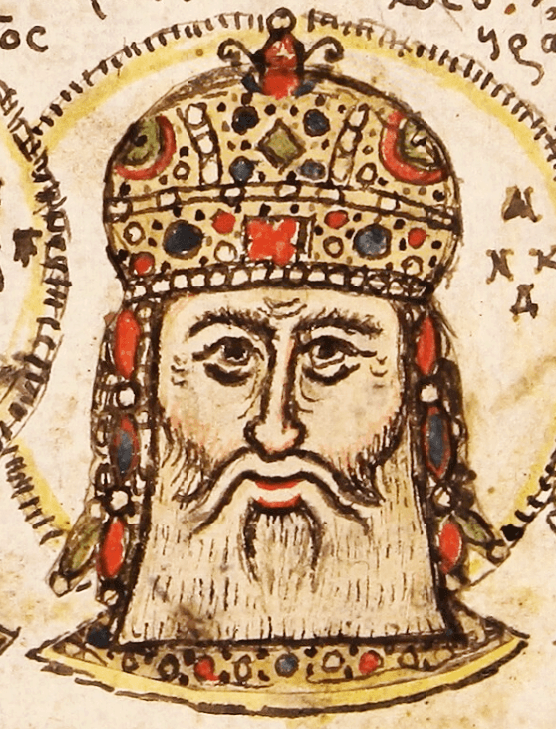

The life path of Andronikos began in the shadow of his great father, Michael VIII Palaiologos, who had recaptured Constantinople from the Latins. From childhood — specifically from 1272 — the thirteen-year-old youth was introduced to affairs of state as co-emperor. One of the notable episodes of his early activity was the restoration of the city of Tralles in the region of the Maeander River in 1280. On his father’s orders, the young Andronikos, together with the experienced dignitaries Michael Tarchaneiotes and Nostongos, actively took up the task: the city was surrounded with new walls and settled with many people, turning it into an important stronghold. In that same significant year, 1280, Andronikos, caring for the continuity of power, proclaimed his three-year-old son Michael IX as formal basileus and co-emperor, laying the foundation for the future dynastic union.
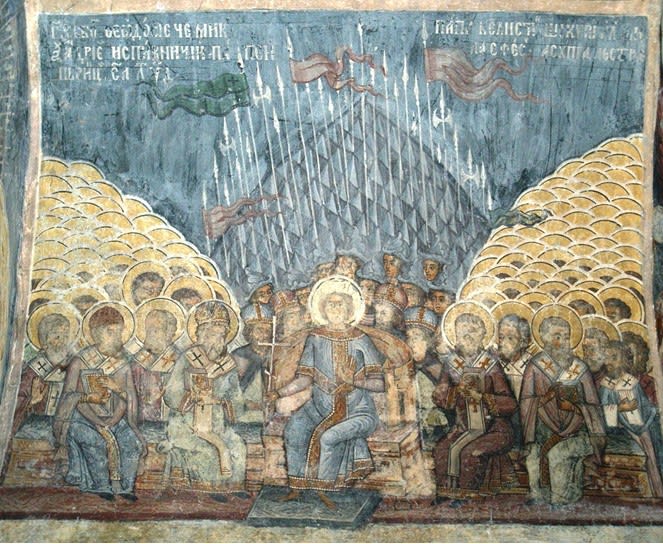
A sharp turning point in Andronikos’ fate came on December 11, 1282, when Michael VIII died during a military campaign in Thrace. Having become the full master of the empire, Andronikos II first carried out a radical ideological maneuver. At the end of 1282, he decisively annulled the Union of Lyon with the Roman Catholic Church, which his father had imposed for political advantage. This step, confirmed by the Council of Constantinople in 1285, restored internal religious peace to the empire, but complicated relations with the West.

In foreign policy, Andronikos sought to restore former power, trying to bring Thessaly and the Despotate of Epirus, which had broken away after the tragedy of 1204, back into the imperial fold. In 1290, the emperor made an important symbolic gesture: he visited John IV Laskaris, who had been deposed and blinded by his father, in order to definitively secure the rights of the Palaiologan dynasty to the throne through Laskaris’ official renunciation of his claims.
The emperor tried to follow his father’s course of maintaining an alliance with the Mongols, but preserving peace with Hulaguid Persia proved to be an impossible task. By the end of his reign, the Balkan lands were once again shaken by Mongol raids. At sea, the situation was no less tense: unsuccessful intervention in the conflict between Venice and Genoa led to the Venetians significantly increasing their economic and political influence within the empire.
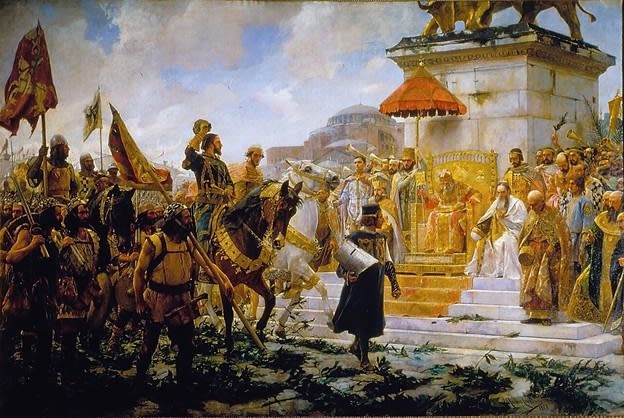
However, Andronikos’ main mistake was his attempt to halt the advance of Osman Ghazi in Anatolia with the help of mercenaries. In 1303, he hired the Catalan Company under the leadership of Roger de Flor. The alliance proved poisonous: after Roger’s murder in 1305, the Catalans raised a bloody revolt, devastating Byzantine lands, seizing Thessaly and other regions, and turning from defenders into bitter enemies.
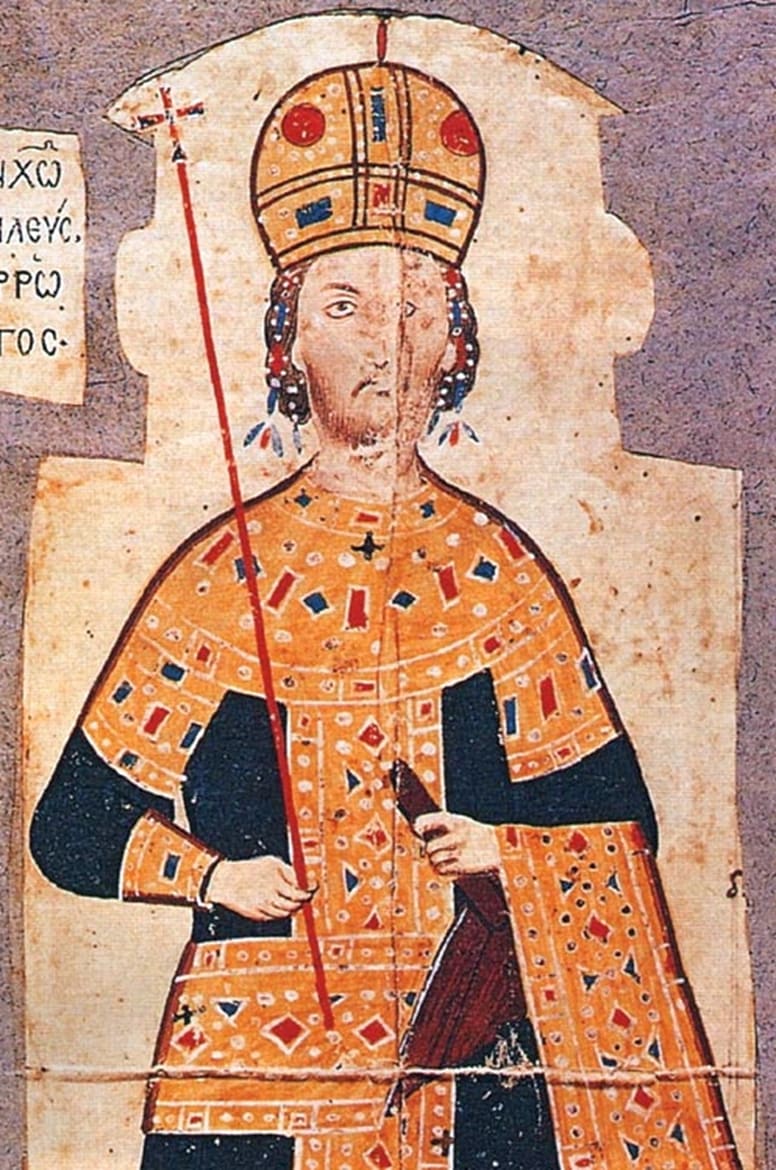
The decline of Andronikos II’s rule was darkened by family tragedy. In 1320, his grandson Andronikos III, entangled in intrigues, hired assassins who, by a fatal mistake, killed not an enemy, but his own brother Manuel. This news became a mortal blow to their father, Michael IX, who died of grief on October 12, 1320.
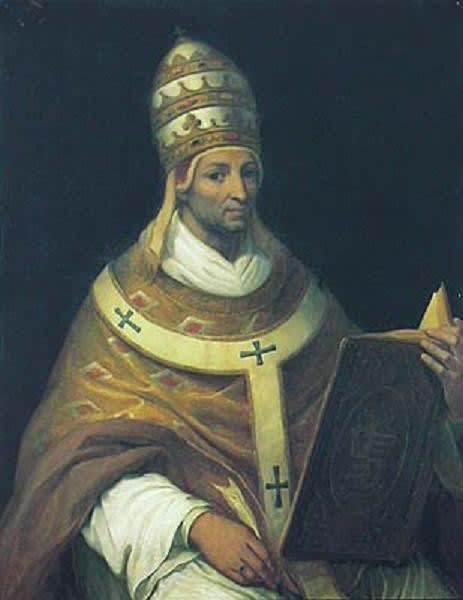
The death of his son left Andronikos II as sole ruler, but the empire was already split. The confrontation between the grandfather and the ambitious grandson turned into a prolonged civil war beginning in 1321. Trying to strengthen his position, in 1323 the emperor elevated the monk Isaiah to the patriarchal throne, hoping for his obedience. However, the “manageable” patriarch proved to be a man of firm principles. In 1326, when Andronikos II once again tried to begin negotiations on union with Pope John XXII and King Charles IV of France, Isaiah blocked these initiatives, fearing a new schism.
The finale came in 1327, when Andronikos III besieged Constantinople. The old emperor demanded that Patriarch Isaiah stop mentioning the name of his rebel grandson during the liturgies, but the hierarch refused, wishing to avoid a church division. Moreover, Isaiah threatened excommunication against anyone who would not pray for both Andronikoi. The enraged emperor exiled the patriarch to the Monastery of Mangana in December 1327, but this did not save the throne.
In May 1328, the troops of Andronikos III entered the capital. Patriarch Isaiah was solemnly restored to the patriarchal throne, while the defeated grandfather was forced to take monastic tonsure. The old emperor was made to swear an oath that he would never again make any attempt at power. Andronikos II spent the remainder of his days in the silence of monastery walls, watching as his supporters were stripped of their ranks and influence, and as the empire entered a new, even more troubling phase of its existence.


