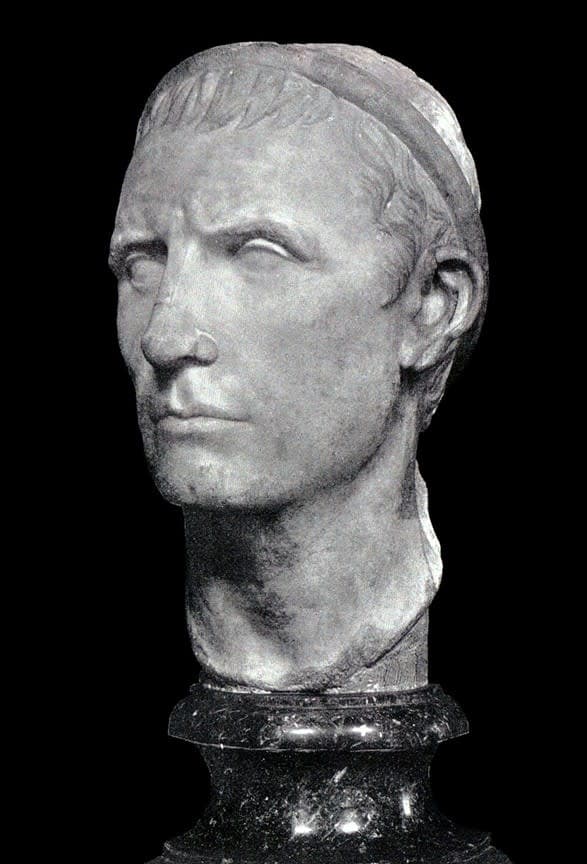
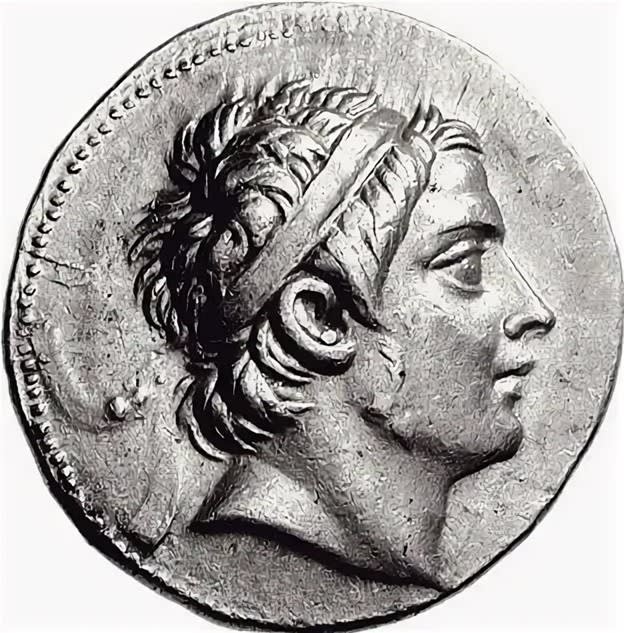
Antiochus spent his youth in the shadow of his elder brother, Seleucus III Ceraunus, who inherited the throne in 226 BC.
During this period, the future ruler was stationed in the “Upper” provinces beyond the Euphrates, far from the intrigues of the central government.
However, fate intervened. In 223 BC, Seleucus III was treacherously murdered by one of his officers during a campaign through the Taurus Mountains.
At this critical moment, Antiochus took the reins of government into his own hands.
One of the young king’s first actions was to distribute authority among his leading officials.
Achaeus was appointed governor of Asia Minor, while the key eastern satrapies of Media and Persia were entrusted to the brothers Molon and Alexander.
To strengthen dynastic ties, Antiochus married Laodice III, daughter of King Mithridates II of Pontus, in 222 BC.
Antiochus had barely secured his position on the throne when the empire was shaken by a major rebellion.
In 222 BC, Molon and Alexander revolted, seizing Mesopotamia, Babylon, and Susa.
The royal army under the command of Xenoetas was defeated, forcing Antiochus to lead the campaign personally.
In the winter of 221 BC, his forces concentrated at Antioch in Mygdonia. In the spring of 220 BC, following the plan of the commander Zeuxis, they crossed the Tigris.
The decisive battle in Apolloniatis ended in the collapse of the rebellion. Part of the rebel army defected to the legitimate king, while Molon and Alexander chose suicide rather than the humiliation of captivity.
After pacifying the east and subduing Artabazanes, king of Atropatene, Antiochus turned his attention southward toward the wealthy region of Coele-Syria.
In the spring of 219 BC, the Fourth Syrian War began.
His first major triumph was the recovery of Seleucia Pieria, which had been captured by the Egyptians decades earlier.
Tyre and Ptolemais subsequently fell.
In 218 BC, Antiochus defeated the Egyptian forces near Berytus and captured Gadara and Rabbat-Ammon.
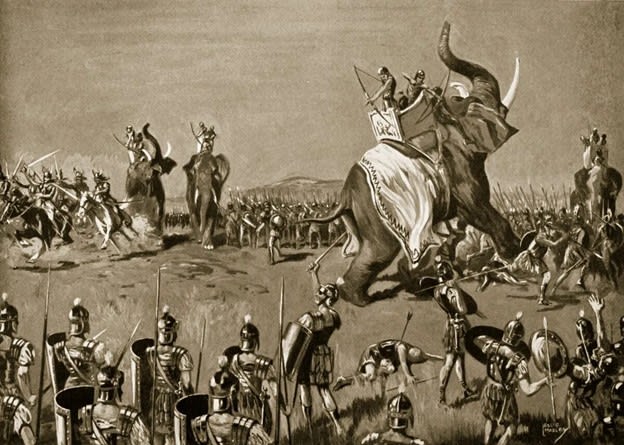
The climax came on 22 June 217 BC at the great Battle of Raphia.
Despite Antiochus’s personal bravery, his army was defeated by Ptolemy IV.
Under the terms of the peace settlement, Coele-Syria remained under Egyptian control, and Antiochus was temporarily forced to withdraw in order to deal with an internal enemy — Achaeus, who had proclaimed himself king in Asia Minor.
The siege of Sardis lasted for two years and ended in 213 BC with the execution of the rebel.
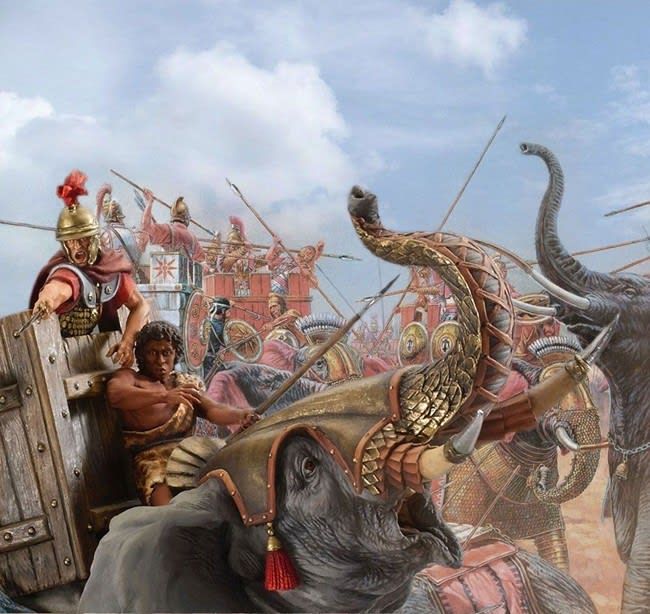
Having secured the west, Antiochus launched his legendary eastern campaign of 212–205 BC, which contemporaries compared with the achievements of Alexander the Great.
He forced Xerxes, king of Sophene, to make peace.
In 209 BC, he captured Hecatompylos, the capital of Parthia, and took the fortress of Syrinx in Hyrcania.
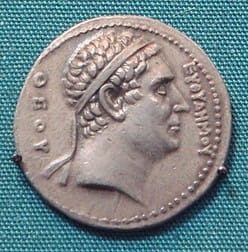
In Bactria, after a victory on the Arius River, he conducted a prolonged siege of the capital, Zariaspa, before eventually concluding an honorable peace with Euthydemus I.
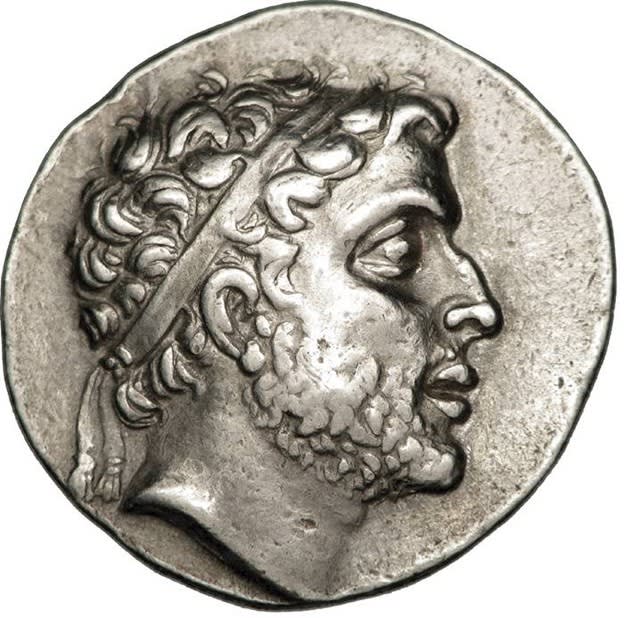
After crossing the Hindu Kush, Antiochus renewed his alliance with the Indian king Sophagasenus.
It was for this seven-year triumph, which restored the borders of the empire from India to the Mediterranean, that he received the title “the Great.”
The death of Ptolemy IV in 204 BC opened the way for Antiochus to seek revenge.
After forming an alliance with the Macedonian king Philip V, he invaded Coele-Syria once again in 202 BC.
His decisive victory at the Battle of Panium in 198 BC permanently expelled the Egyptians from Judea and Jerusalem.
By 197–196 BC, Antiochus was already campaigning in Asia Minor and Thrace, where he restored Lysimachia.
Here, however, his ambitions came into conflict with the growing power of Rome.
Negotiations with Roman envoys at Lysimachia failed to produce an agreement.
In 195 BC, the exiled Hannibal arrived at Antiochus’s court, further accelerating preparations for war.
The war began in 192 BC with Antiochus’s landing in Greece and his seizure of Euboea.
Fortune, however, turned against him.
In 191 BC, he suffered defeat at the Battle of Thermopylae, while in the autumn of 190 BC the catastrophic Battle of Magnesia took place.
The complete defeat resulted in the signing of the humiliating Treaty of Apamea in 188 BC.
Antiochus lost all territories in Asia Minor west of the Taurus Mountains and was burdened with an enormous indemnity of 15,000 talents.
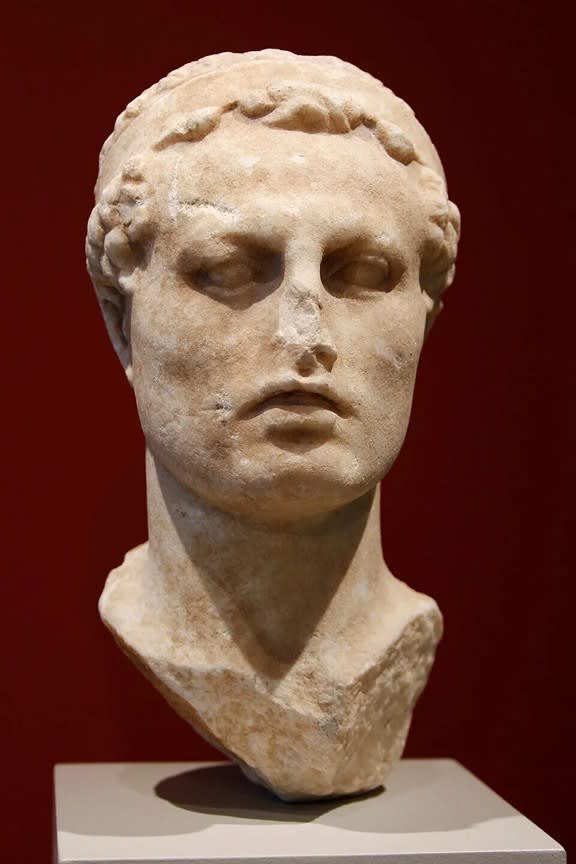
The attempt to raise money to pay the Romans ultimately led to the king’s death.
In 187 BC, Antiochus the Great attempted to plunder the treasures of the Temple of Bel in Elymais.
Outraged by what they regarded as sacrilege, the local inhabitants — skilled archers — attacked the royal detachment.
In this nighttime clash, the great ruler who had restored an empire only to lose much of it again met his death.
The throne passed to his son Seleucus IV, and later to the famous Antiochus IV Epiphanes.


