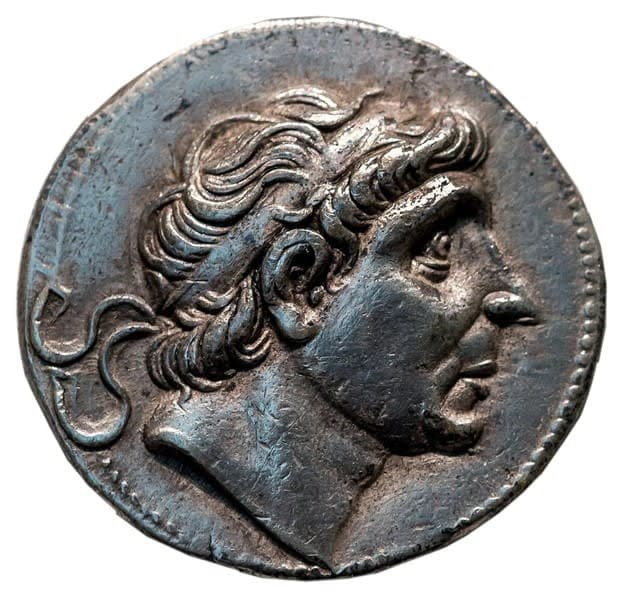
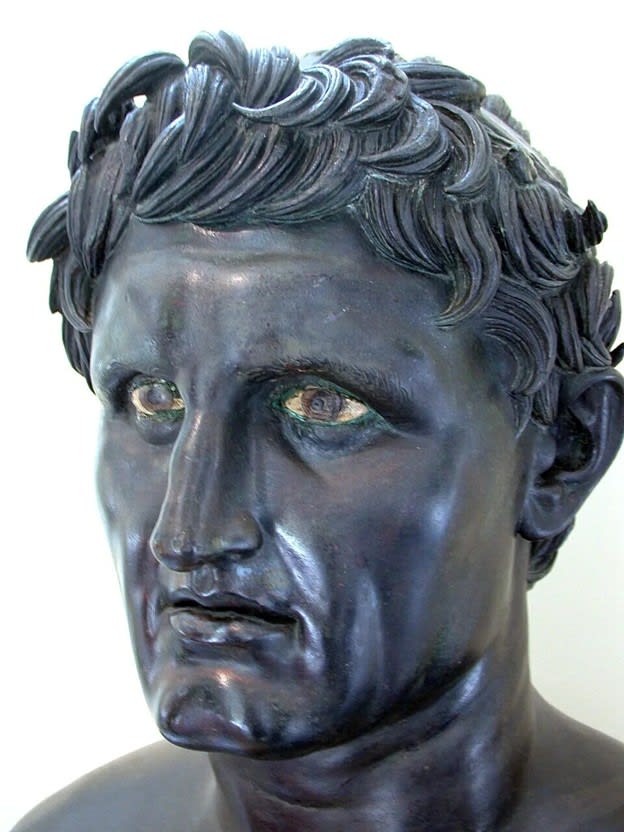
The roots of Antiochus lay deep within the age of the Macedonian conquests.
His father, Seleucus I Nicator, was an outstanding military commander and commander of the cavalry in Alexander’s army. His mother was the Sogdian princess Apama, whose background symbolized the union of Greek and Eastern cultures.
Their marriage took place in 324 BC at Susa during the legendary “mass wedding,” organized by Alexander to bring his officers closer to the Persian nobility. It was during this period, between 324 and 323 BC, that the future ruler was born.
Antiochus received his baptism of fire in 301 BC at the great Battle of Ipsus.
Fighting side by side with his father, he contributed to the victory that finally secured Seleucus’s authority over the Asian territories of Alexander the Great’s former empire.
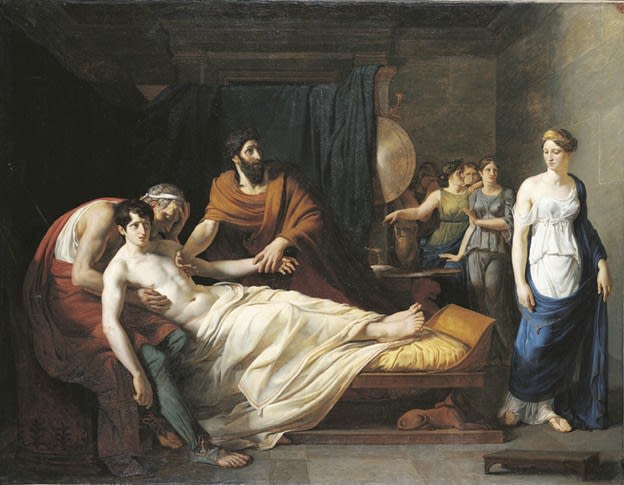
However, a personal drama unfolded in the young prince’s private life: he fell hopelessly in love with his stepmother, Stratonice.
Antiochus became so gravely ill that only the insight of the court physician Erasistratus revealed the true cause of his condition.
Displaying both political wisdom and paternal compassion, Seleucus gave Stratonice to his son in 294 BC, granted Antiochus the title of king, and sent him to govern “Upper Asia” — the vast territories east of the Euphrates.
Following the tragic death of Seleucus in 281 BC, Antiochus I formally ascended the throne, inheriting not only a vast empire but also endless conflicts over the territories of Lysimachus.
In Greece and Asia Minor, he was forced to confront his father’s killer, Ptolemy Ceraunus.
The war proceeded with varying success, and only in 280 BC was a fragile peace finally concluded.
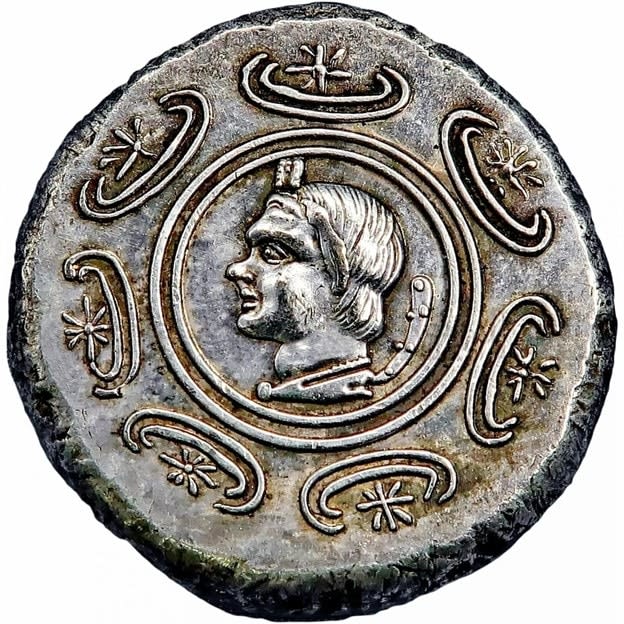
Peace, however, did not last long.
Antiochus became involved in a struggle against a coalition of Greek cities, including Heraclea and Byzantium, as well as the Bithynian king Nicomedes.
The military campaign in the region went badly. An attempt by the general Patrocles to conquer Bithynia ended in disaster: his army was defeated, and Patrocles himself was killed in battle.
By the summer of 279 BC, the Macedonian king Antigonus II Gonatas had also taken action against Antiochus.
The struggle was long and exhausting and required considerable diplomatic flexibility from the Seleucid ruler.
Seeking allies, Antiochus even transferred the island of Lemnos to Athens.
Finally, by the first half of 277 BC, the opposing sides concluded peace.
Under the terms of the agreement, Antigonus gained Macedonia, while Antiochus obtained freedom of action in Asia Minor.
To strengthen the alliance, Antiochus gave his sister Phila in marriage to Antigonus.
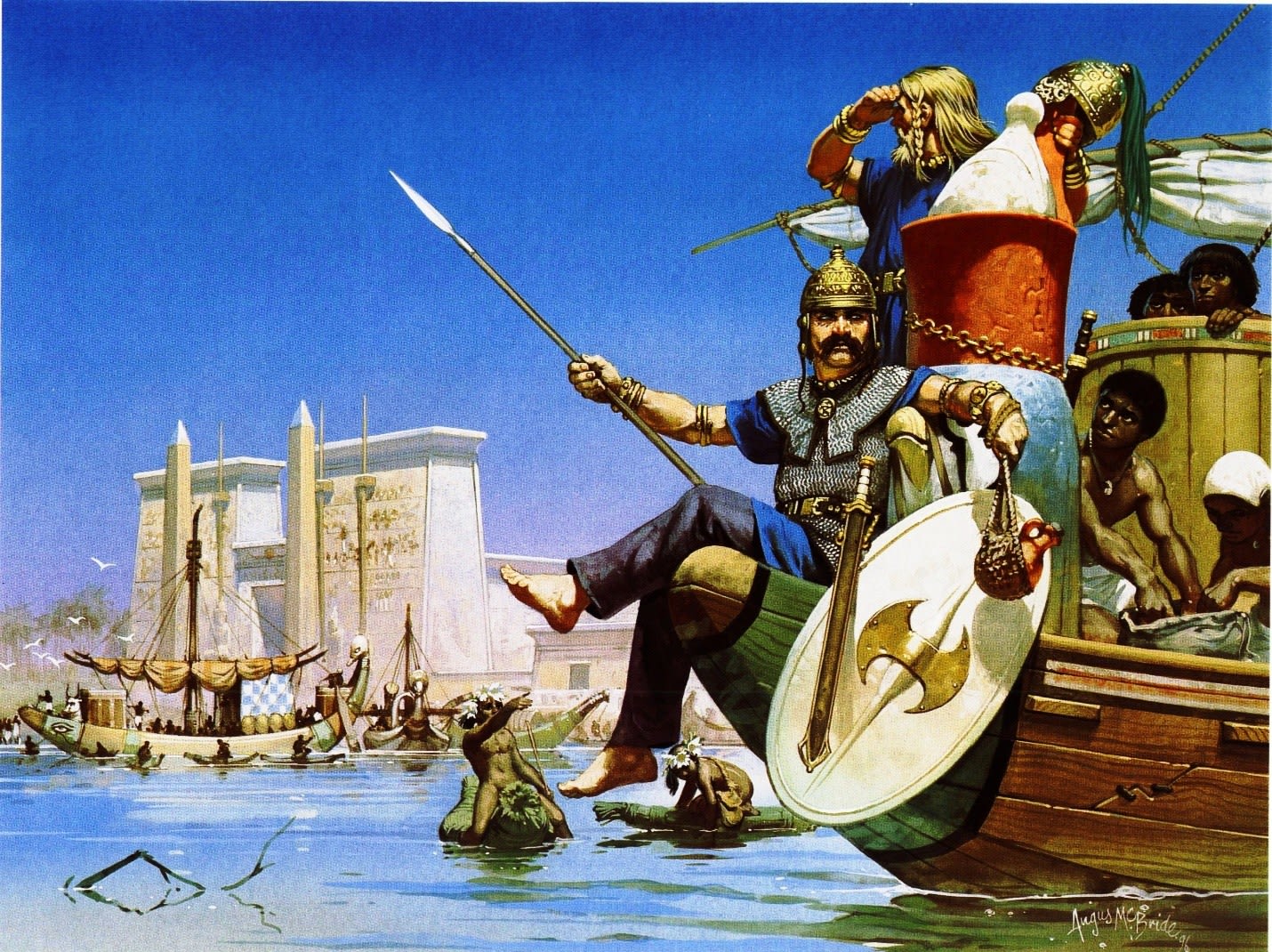
One of the most memorable episodes of Antiochus’s reign was his confrontation with the Galatians — warlike Celtic tribes that had crossed into Asia Minor in 278 BC.
These warriors devastated the peninsula and inspired terror among the local population.
The decisive confrontation took place around 275 BC.
The Galatian army possessed an enormous numerical advantage: 20,000 cavalrymen, large numbers of infantry, and 240 war chariots.
Antiochus’s forces were considerably smaller.
On the advice of Theodotus of Rhodes, the king decided to employ a “secret weapon” — 20 elephants obtained from Bactria.
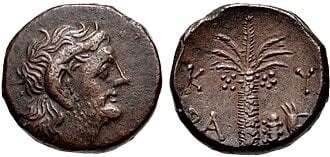
The sight of the enormous animals, which the Galatians had never encountered before, caused panic among the warriors.
Their chariots and cavalry fled in disorder and crashed into their own infantry, throwing the entire enemy formation into chaos.
Antiochus’s forces then launched a decisive attack and achieved a brilliant victory.
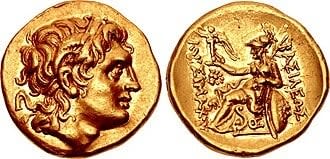
It was for delivering the Greek cities from the Galatian threat that Antiochus received the honorary epithet “Soter” — “Savior.”
Despite their defeat, the Galatians remained in the region and established the territory later known as Galatia.
Almost simultaneously with the Galatian threat, relations with Egypt deteriorated.
Magas, ruler of Cyrene, who had married Antiochus’s sister Apama, encouraged him to wage war against Ptolemy II Philadelphus.
According to the “Babylonian cuneiform record,” in 275/274 BC Antiochus left the royal court at Sardis and personally led a campaign into Syria against the Egyptian army.
Despite the transfer of reinforcements and elephants from Babylonia, the conflict continued until approximately 273–271 BC.
The Seleucids managed to capture Damascus, but the overall results of the First Syrian War were mixed.
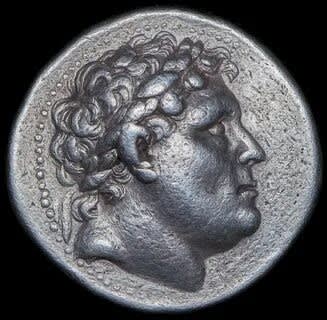
The internal situation was also becoming more complicated.
Around 266 BC, the king was forced to suppress unrest involving his eldest son and co-ruler, Seleucus.
As a result, the heir was executed.
At the same time, Bithynia and Pergamon were growing stronger, while the ruler of Pergamon, Philetaerus, began moving toward an alliance with Egypt.
The final major episode in the life of the warrior-king came during the period of the Chremonidean War.
Seeking to oppose the growing influence of Pergamon, Antiochus fought Eumenes I at the Battle of Sardis around 261 BC.
The Seleucid army was defeated, and shortly afterward the great ruler died, leaving the throne to his son, Antiochus II.
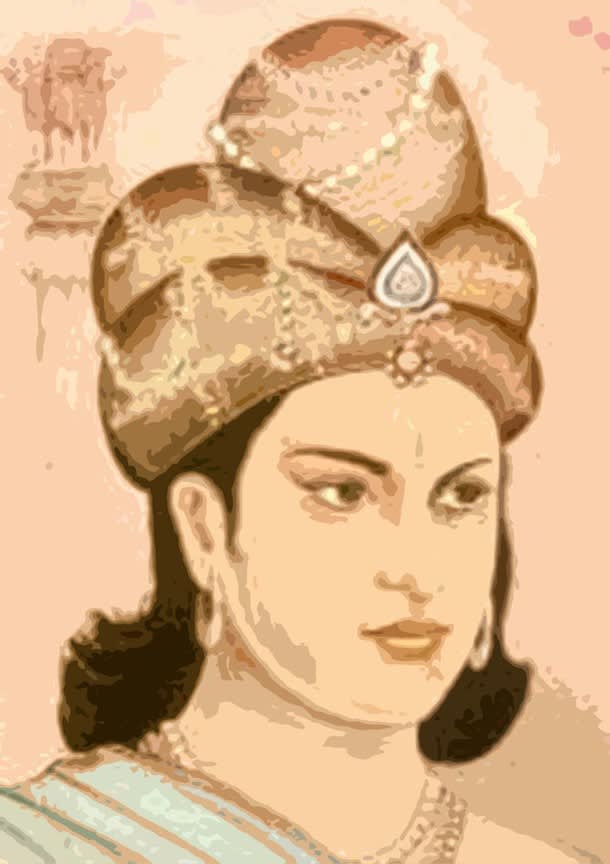
The reign of Antiochus I was an era not only of warfare but also of large-scale state-building.
Constant conflicts required enormous resources, forcing the king to impose extraordinary taxes, particularly in Babylonia, and to sell royal lands.
Nevertheless, he patronized scholarship.
It was at his request that the historian Berossus wrote his famous Babyloniaca, a three-volume history of Chaldea composed in Greek.
In the east, Antiochus generally pursued a defensive strategy.
He restored a destroyed colony in the oasis of Margiana and renamed it Antiochia Margiana, modern Merv, while strengthening the frontiers of the region.
In his relations with neighboring states, he demonstrated considerable diplomatic skill.
He maintained peaceful relations with the Mauryan ruler Bindusara, to whose court he sent an embassy led by Deimachus.
Although the wars in the west meant that the eastern provinces received less attention, Antiochus established foundations that allowed the Seleucid state to retain its status as a major power for many decades afterward.


