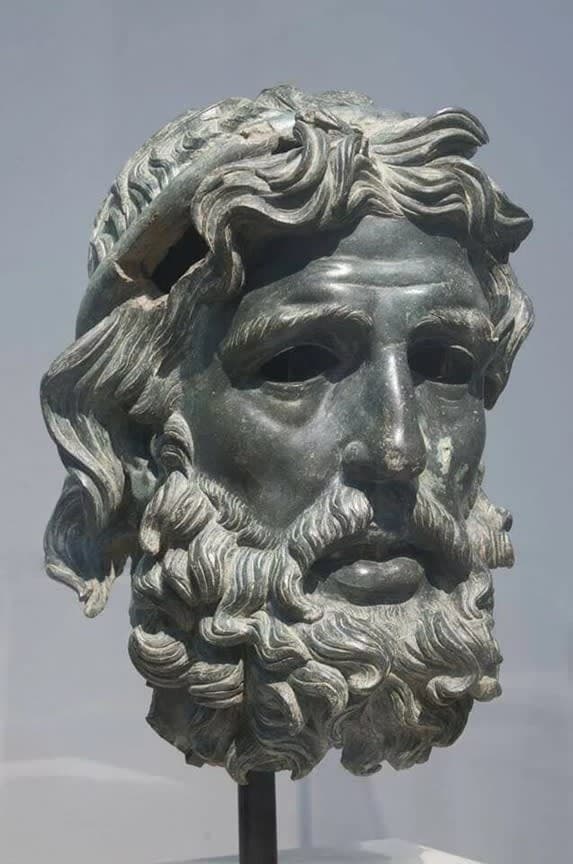
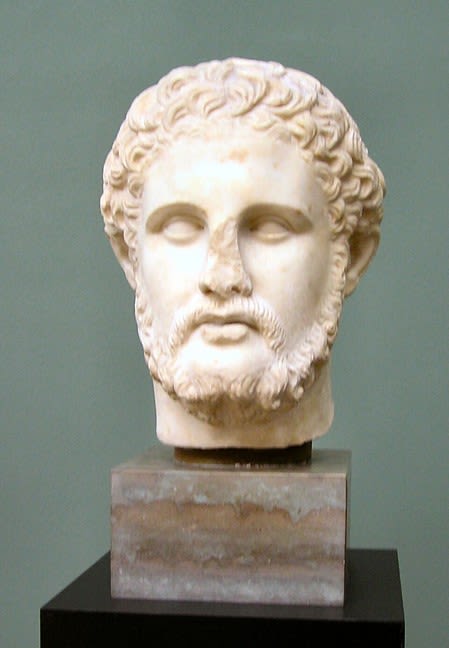
Antigonus was born around 382 BC into the family of a Macedonian named Philip. Ancient authors argued for centuries about his social origin: while Claudius Aelian attributed to him a peasant background, claiming that in his youth Antigonus himself ploughed the land, later research, including the reconstruction of R. Billows, points to his unquestionably aristocratic roots. He probably came from a noble family of Lower Macedonia, as indicated by his brilliant education — in mature age he could easily quote Euripides — and his early entry into the circle of the hetairoi, the king’s companions.
After being widowed, his mother married Periander of Pella, whose son Marsyas became a childhood friend of the future conqueror of Asia. This kinship and his personal talents secured Antigonus a high position at the court of Philip II. It was during Philip’s reign, in 340–339 BC, that the episode occurred which gave Antigonus his famous nickname. During the siege of Perinthus, an enemy arrow struck out his eye, but the warrior did not leave the ranks and did not allow the doctors to remove the arrowhead until the enemy had been driven back behind the city walls. Around the same time, he married Stratonice, the widow of his brother Demetrius, a woman who may have been connected by blood to the Argead dynasty itself.
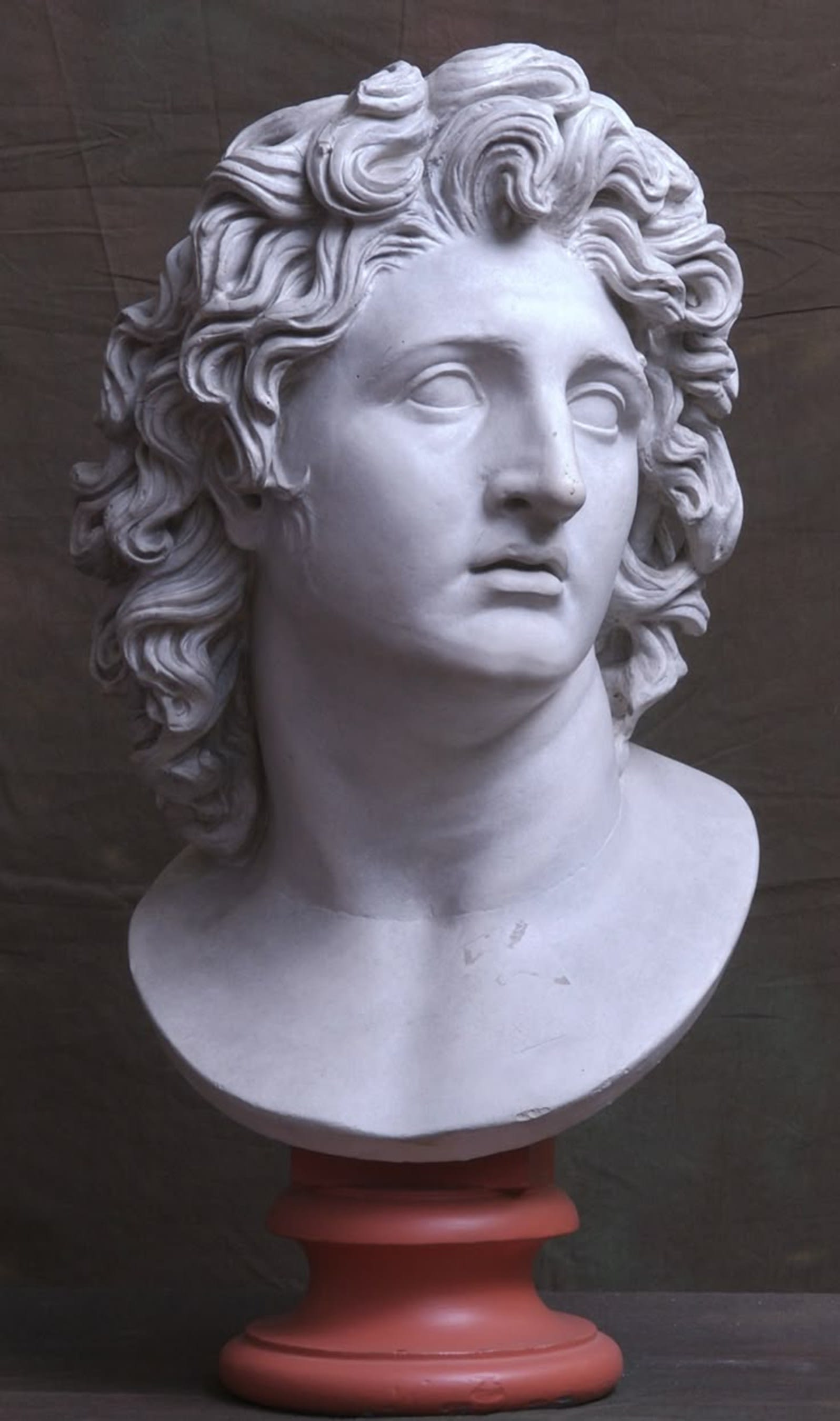
When Alexander the Great crossed the Hellespont in 334 BC, Antigonus was already an experienced commander. Under his command were seven thousand Greek allied infantrymen. He took part in the Battle of the Granicus and in the conquest of Priene, and in the spring of 333 BC the king entrusted him with the post of satrap of Greater Phrygia. This was not merely an appointment, but an act of the highest trust: Phrygia lay in the very heart of Asia Minor, and all the strategic routes connecting Europe with the depths of Asia passed through it.
After the Battle of Issus, Antigonus found himself in a unique position. While Alexander advanced into Phoenicia and Egypt, Antigonus effectively became the “shield” of the army’s rear. With a handful of warriors, he managed three times to defeat the remnants of the Persian forces that were trying to organize a counteroffensive in Asia Minor. His success was phenomenal: while other satraps suffered failures, Antigonus not only held his lands but also annexed Lycaonia, Lycia, and Pamphylia, becoming by 330 BC the most powerful man in the region. For ten years he ruled his territories almost like an independent monarch while the great king conquered India.
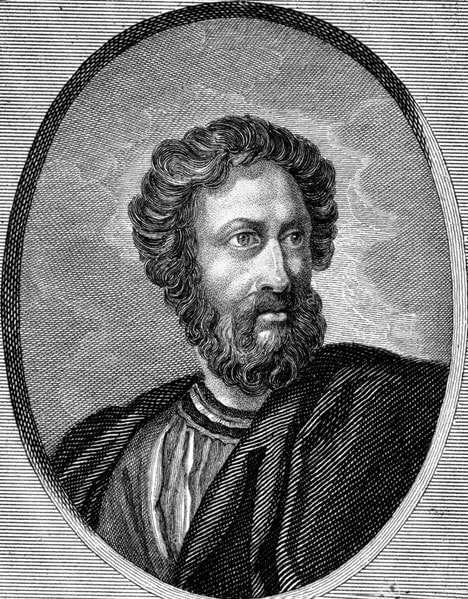
Alexander’s death in 323 BC plunged the empire into chaos. At the Partition of Babylon, Antigonus retained his possessions, but he came into conflict with the ambitions of the new regent, Perdiccas. The regent, seeking to weaken the old commander’s influence, ordered him to help the Greek Eumenes conquer Cappadocia. Antigonus, realizing that this was a trap, ignored the order. The conflict escalated to the limit when Perdiccas summoned him to trial. Understanding that the verdict was already decided, Antigonus fled to Europe with his son Demetrius, seeking refuge with Antipater.
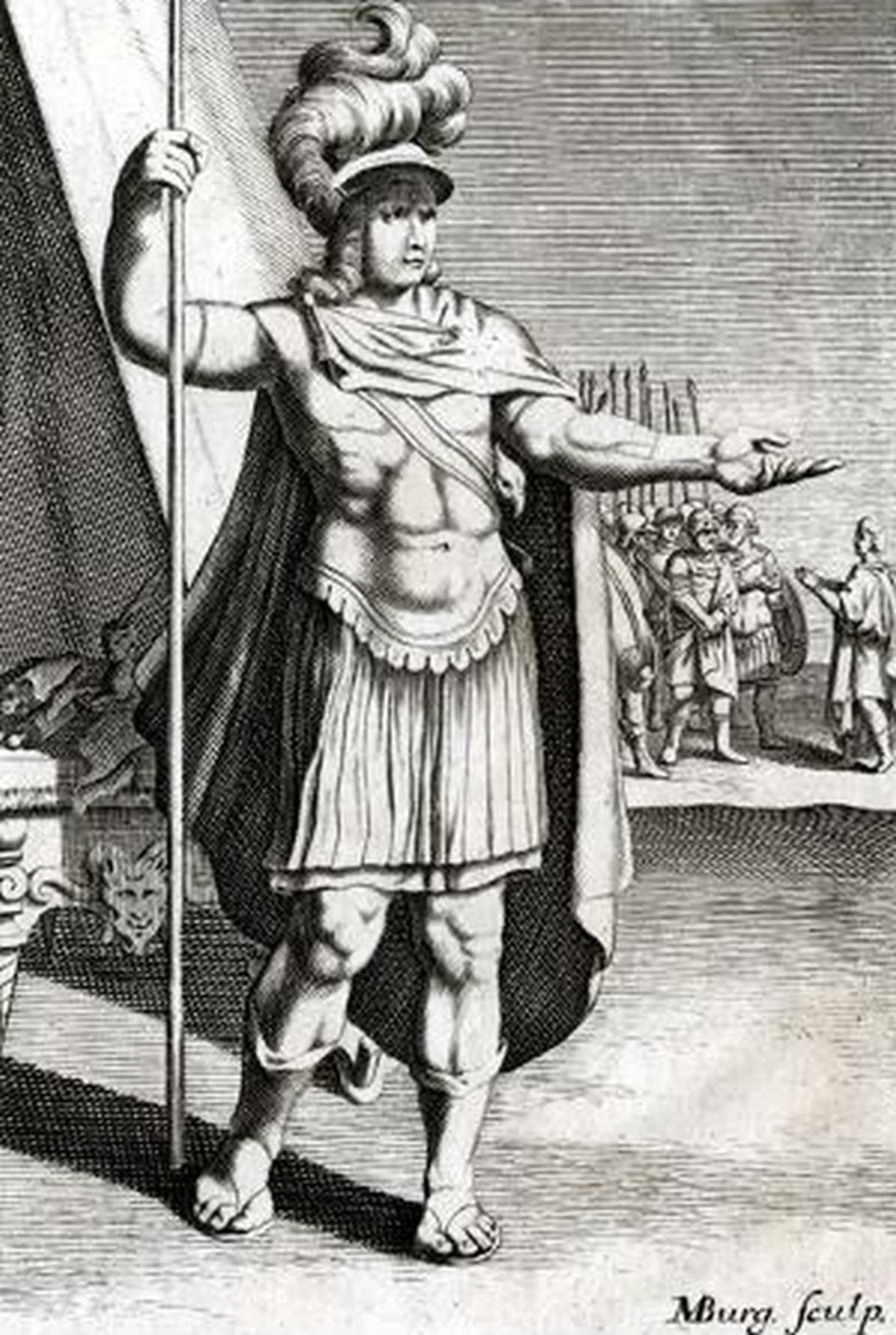
The First War of the Diadochi, from 322 to 321 BC, ended with the death of Perdiccas. At Triparadisus, Antigonus was proclaimed “Strategos of Asia.” His task now was to destroy the remaining supporters of Perdiccas, above all Eumenes of Cardia. At the Battle of Orcynia in 319 BC, Antigonus, using tactical cunning and bribing the enemy cavalry, inflicted a crushing defeat on Eumenes, forcing him to take refuge in the fortress of Nora.
Soon Antigonus demonstrated his strategic mastery at the Battle of Cretopolis, where he caught the army of Alcetas by surprise after occupying the commanding heights. His power grew rapidly: after the death of Antipater in 319 BC, the old commander decided that the time had come for sole rule. He seized Hellespontine Phrygia and Lydia, and then set out eastward in pursuit of Eumenes.

The confrontation between Antigonus and Eumenes became the summit of military art in that era. Their armies maneuvered through the harsh lands of Mesopotamia and Persia. At the Battle of the River Coprates, Antigonus suffered a painful setback, losing a quarter of his army during the crossing, but this only hardened him. In the following battles at Paraetacene and Gabiene, in 317–316 BC, he faced the legendary “Silver Shields,” the Argyraspides.
The denouement at Gabiene was dramatic: although Antigonus’s phalanx was battered by Alexander’s veterans, he managed to capture their baggage train with all their property and families. The betrayal of Eumenes’s soldiers, who handed over their commander in exchange for their possessions, made Antigonus master of all Asia. He carried out a brutal purge, executing Eumenes, Antigenes, and even recent allies such as Peithon, whom he suspected of conspiracy. In 316 BC, Antigonus became the richest man in the world, seizing Alexander’s treasury with 35,000 talents.
Such power could not go unpunished. All the other Diadochi united against Antigonus: Ptolemy, Cassander, Lysimachus, and Seleucus. In response to their ultimatums, Antigonus unleashed the Third War of the Diadochi, from 315 to 311 BC.

He besieged Tyre, the impregnable island city. The siege lasted fifteen months, during which Antigonus built a huge fleet from scratch. In 314 BC, beneath the walls of Tyre, he issued his famous manifesto proclaiming the “freedom of all Greeks.” This was a brilliant propaganda move aimed at undermining Cassander’s power in Hellas.
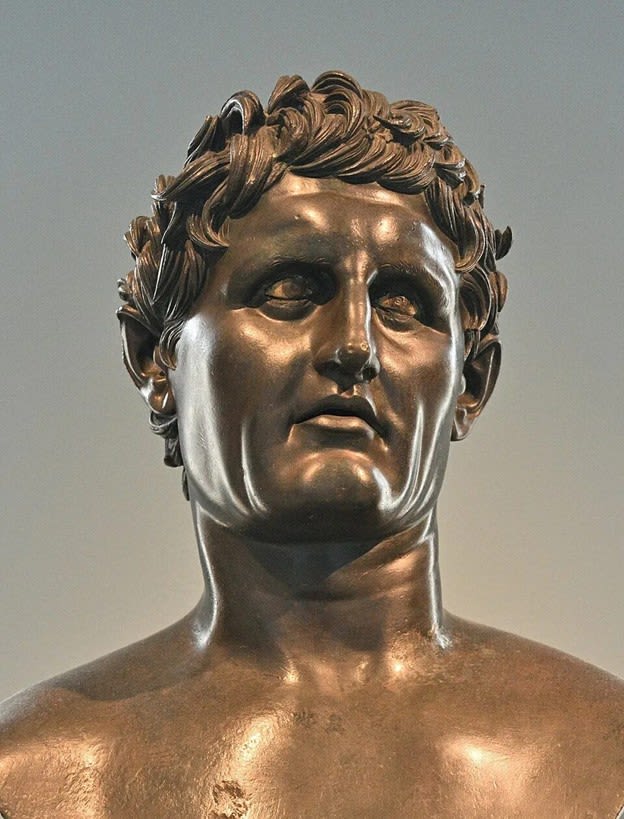
However, in the East, Seleucus managed to regain Babylon, which led to the Babylonian War of 311–309 BC. Antigonus personally tried to drive his rival out of Mesopotamia, but Seleucus, using guerrilla tactics and relying on the support of the local population, managed to hold firm. In the decisive two-day battle, Seleucus defeated Antigonus’s troops by using a night attack. As a result of the fragile peace, Antigonus lost control over the eastern provinces and concentrated on the West.
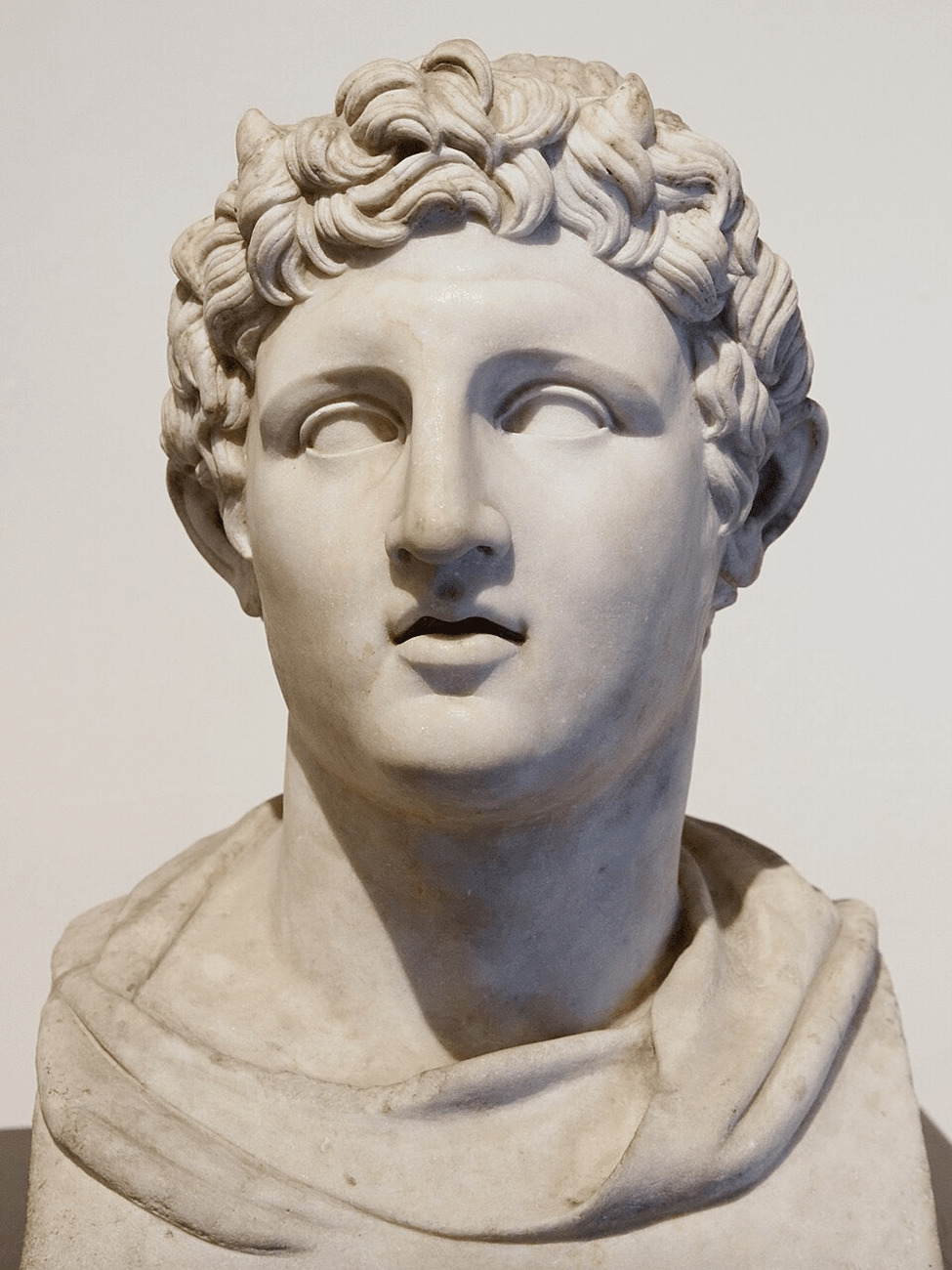
In 307 BC, Antigonus’s son Demetrius Poliorcetes entered Athens in triumph, restoring democracy there. A year later came the great naval victory at Salamis on Cyprus over Ptolemy’s fleet. Hearing the good news, Antigonus officially assumed the title of king, putting on the diadem and crowning his son. Now he was not merely a satrap, but the legitimate heir of the empire.
The attempted invasion of Egypt in 306 BC ended in failure because of storms and Ptolemy’s fortifications on the Nile. The siege of Rhodes in 305–304 BC likewise brought no decisive success, although it secured for Demetrius the nickname “the Besieger.”
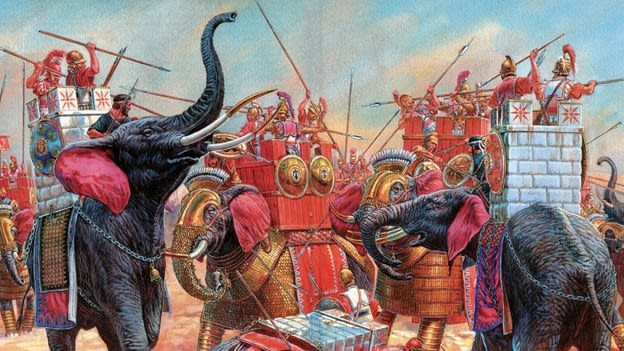
The final act of the drama unfolded in 301 BC. The coalition of Lysimachus and Seleucus joined forces in the heart of Asia Minor. At the Battle of Ipsus, colossal armies met: Antigonus had 70,000 infantry, 10,000 cavalry, and 75 elephants; his opponents fielded even more impressive forces, including Seleucus’s 400 elephants.
The battle was lost because of Demetrius’s impetuosity. He became carried away in pursuit of the enemy cavalry and allowed Seleucus’s elephants to cut him off from his father. The 81-year-old Antigonus refused to retreat to the very end, hoping for his son’s return. He died under a hail of spears, remaining on the battlefield with his only faithful companion — Thorax of Larissa. His death put an end to the history of a united empire: the victors divided his possessions, finally transforming Alexander’s once-unified world into a system of rival Hellenistic states.
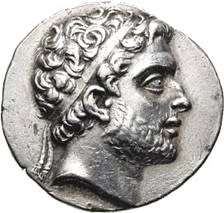
Antigonus I Monophthalmus entered history as a contradictory figure. His nickname “Monophthalmus” — or the rougher “Cyclops” — in the eyes of his contemporaries emphasized not only his physical defect, but also his titanic, almost superhuman energy and cruelty. He was harsh in speech, often sharp with those close to him, yet at the same time remained an exemplary family man — a rare quality among the Diadochi.
His faith in his son Demetrius was boundless, and according to historians, it was precisely this love that became the cause of his death. Antigonus did not merely rule — he built. His capital, Antigonia-on-the-Orontes, and numerous restored cities testify to his creative will. He lost the war, but his descendants, the Antigonids, ruled Macedonia for another century, embodying part of those ambitious plans that had once formed in the mind of the one-eyed veteran of Philip and Alexander.


