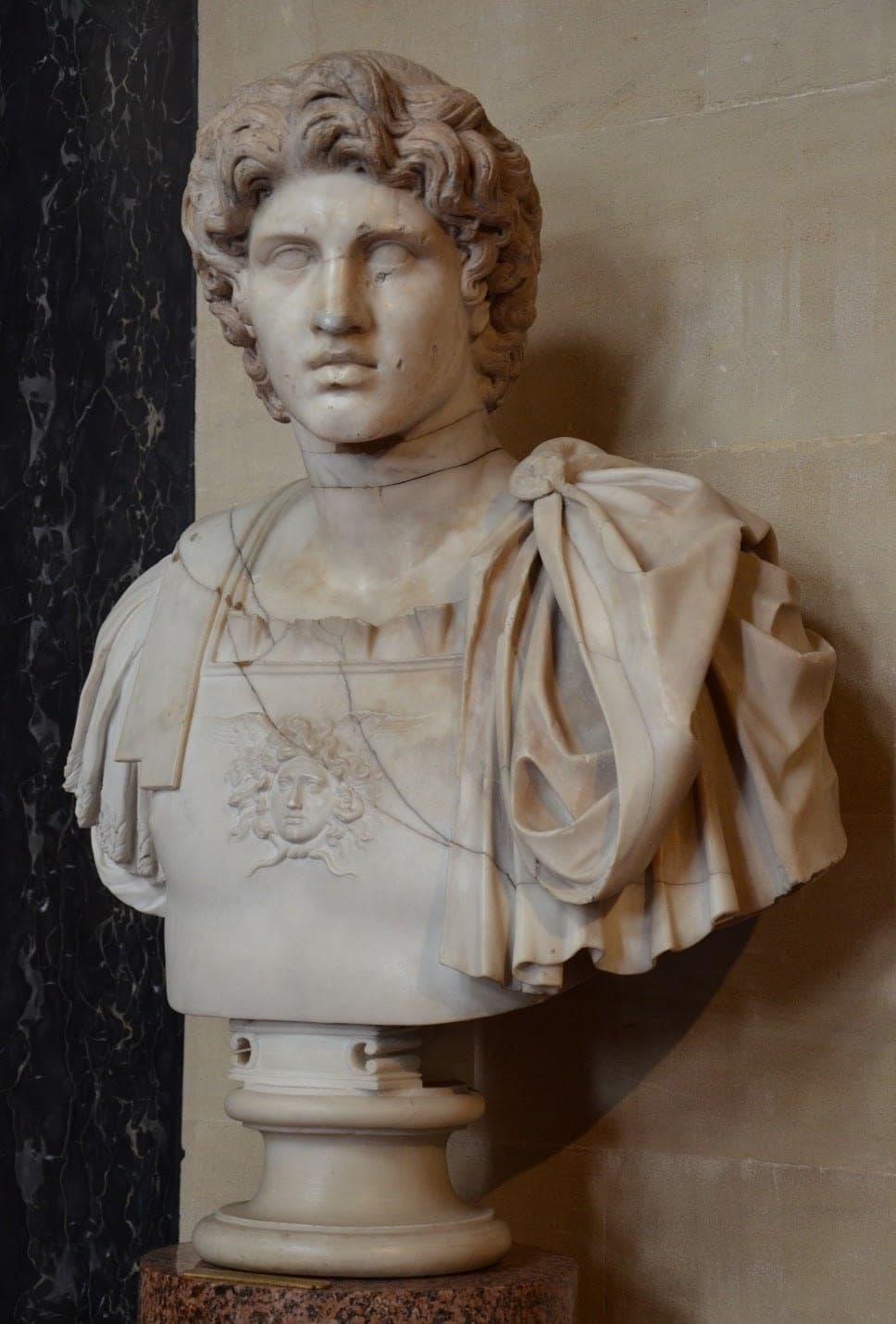

The story of the life of the man destined to redraw the map of the ancient world begins in 356 BCE in Pella, the capital of Macedonia. Alexander’s birth was surrounded by a mystical aura; legend holds that on that very night the madman Herostratus burned down the Temple of Artemis at Ephesus. While one of the wonders of the world was turning to ashes, magi foretold the imminent downfall of Persia, and Greek philosophers later joked that the goddess had simply been too busy helping the future conqueror come into the world. His father, King Philip II of Macedon, at that time was receiving one piece of good news after another: the capture of Potidaea, the defeat of the Illyrians, and the victory of his horse at the Olympic Games. Despite historians’ disputes over the exact date whether July or October the symbolism of these coincidences became the foundation of Alexander’s future cult of personality.
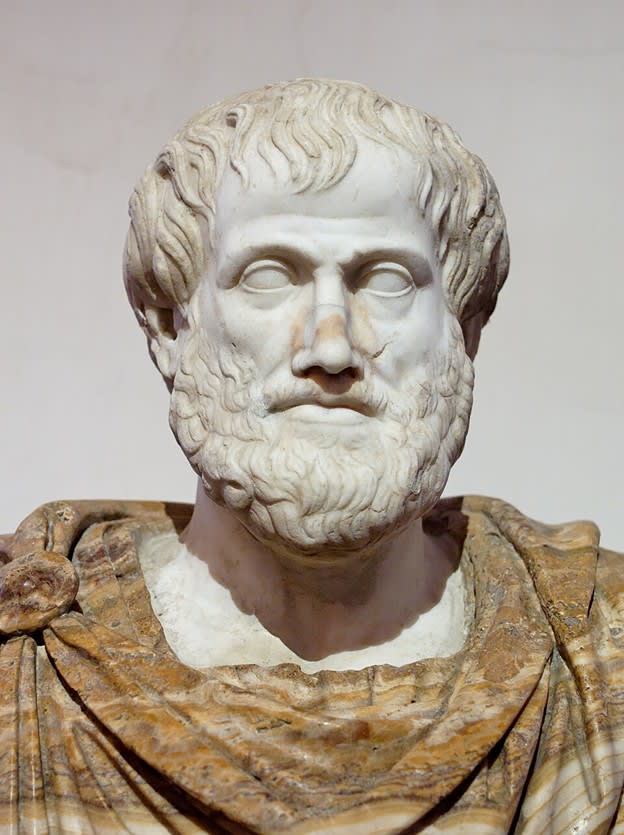
The upbringing of the young prince, named in honor of his philhellene ancestor Alexander I, became a battleground between his parents. While Philip spent years away on campaigns, Alexander fell under the influence of his mother, Olympias—a domineering and fiery woman who did not conceal her hostility toward her husband. This formed in the boy a complex mixture of adoration and jealousy toward his father. His first teachers were the stern Leonidas of Epirus and Lysimachus, who jokingly called his pupil Achilles. However, the true turning point in his education came in 343 BCE, when Philip invited the great Aristotle. In the quiet of Mieza, the young Alexander absorbed not only the foundations of philosophy and rhetoric but also a deep love for Homer’s Iliad, which he would later keep under his pillow beside a dagger, sincerely believing in his kinship with the legendary hero of Troy.
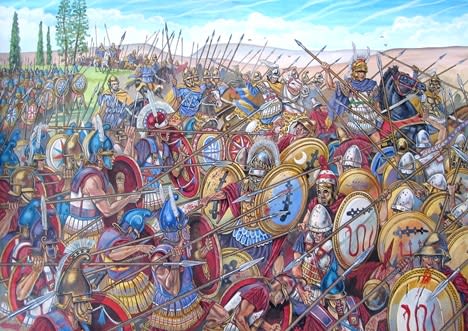
Alexander’s early displays of leadership astonished his contemporaries. Still a teenager, he received Persian envoys, surprising them with questions beyond his years about the roads and the power of the East. At the same time, he tamed Bucephalus a horse that experienced riders could not control simply by noticing that the animal was frightened of its own shadow. Seeing this, Philip uttered prophetic words: “Macedonia is too small for you.” In 340 BCE, at the age of sixteen, Alexander became regent of the capital, suppressed the uprising of the Thracian tribe of the Maedi, and founded his first city Alexandropolis. Two years later, in 338 BCE, at the decisive Battle of Chaeronea, he commanded the Companion cavalry on the left flank, effectively deciding the outcome of the battle and destroying the elite Theban Sacred Band.
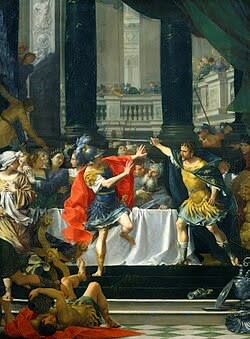
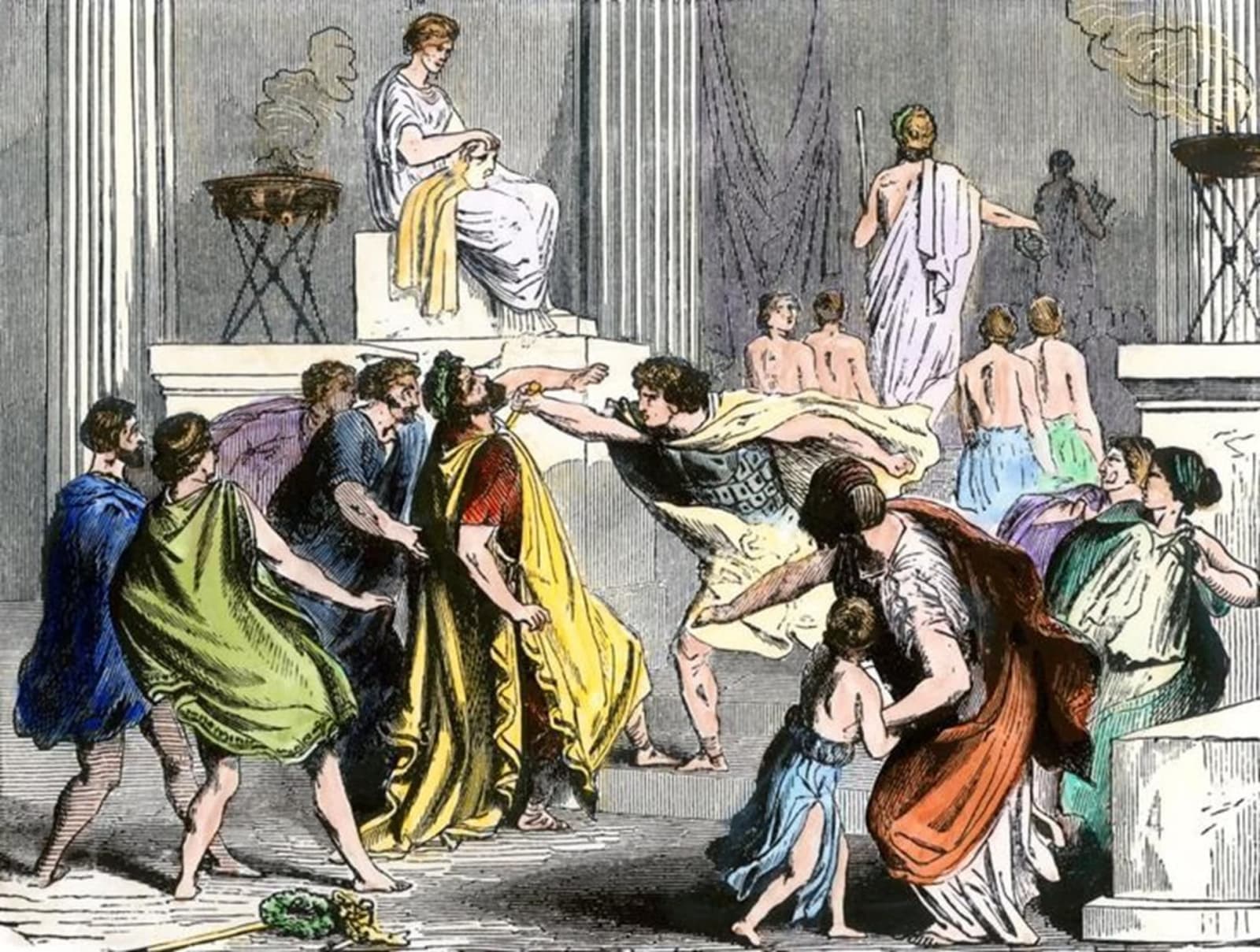
However, his brilliant successes did not save him from family discord. When Philip married for the seventh time to the Macedonian Cleopatra, Alexander’s status as heir was shaken due to his “impure” lineage (his mother was an Epirote). A quarrel at the wedding, during which Alexander hurled a cup at Attalus, who had called him illegitimate, led to an open rupture. Philip even rushed at his son with a sword but, drunk, fell to which Alexander caustically remarked: “This man wishes to cross from Europe to Asia, yet he cannot even step from one couch to another.” This was followed by exile to Epirus, a temporary reconciliation, and a new conflict over marriage negotiations in Caria, which ended with the banishment of the prince’s closest companions — Ptolemy, Nearchus, and Harpalus.
Everything changed in 336 BCE. The dagger of the bodyguard Pausanias ended Philip’s life at a wedding in Aegae. Supported by the army and Antipater, Alexander immediately seized power. The beginning of his reign was bloody: he methodically eliminated all rivals, including his cousin Amyntas and the relatives of his new stepmother Cleopatra, who herself was driven to suicide by Olympias. To pacify the populace, the young king abolished taxes despite an empty treasury and enormous debts. His authority was recognized by Thessaly and the Corinthian League, which proclaimed him hegemon in the war against Persia. It was then that his famous meeting with Diogenes took place; when offered any favor, the philosopher asked only that Alexander “not block his sunlight,” which elicited the king’s sincere admiration.
Before setting out to the East, Alexander had to secure the north. In the spring of 335 BCE he made a lightning march to the Ister (Danube), defeating the Thracians, Triballi, and Getae. In Illyria he displayed tactical brilliance, breaking out of encirclement at the fortress of Pelion. While the king campaigned in the north, rumors of his death spread through Greece. Thebes revolted, but Alexander covered the distance to Boeotia in an astonishing thirteen days. In September 335 BCE Thebes was taken by storm and razed to the ground as a warning to the rest of Greece, its inhabitants enslaved. The road to Asia was now fully open.
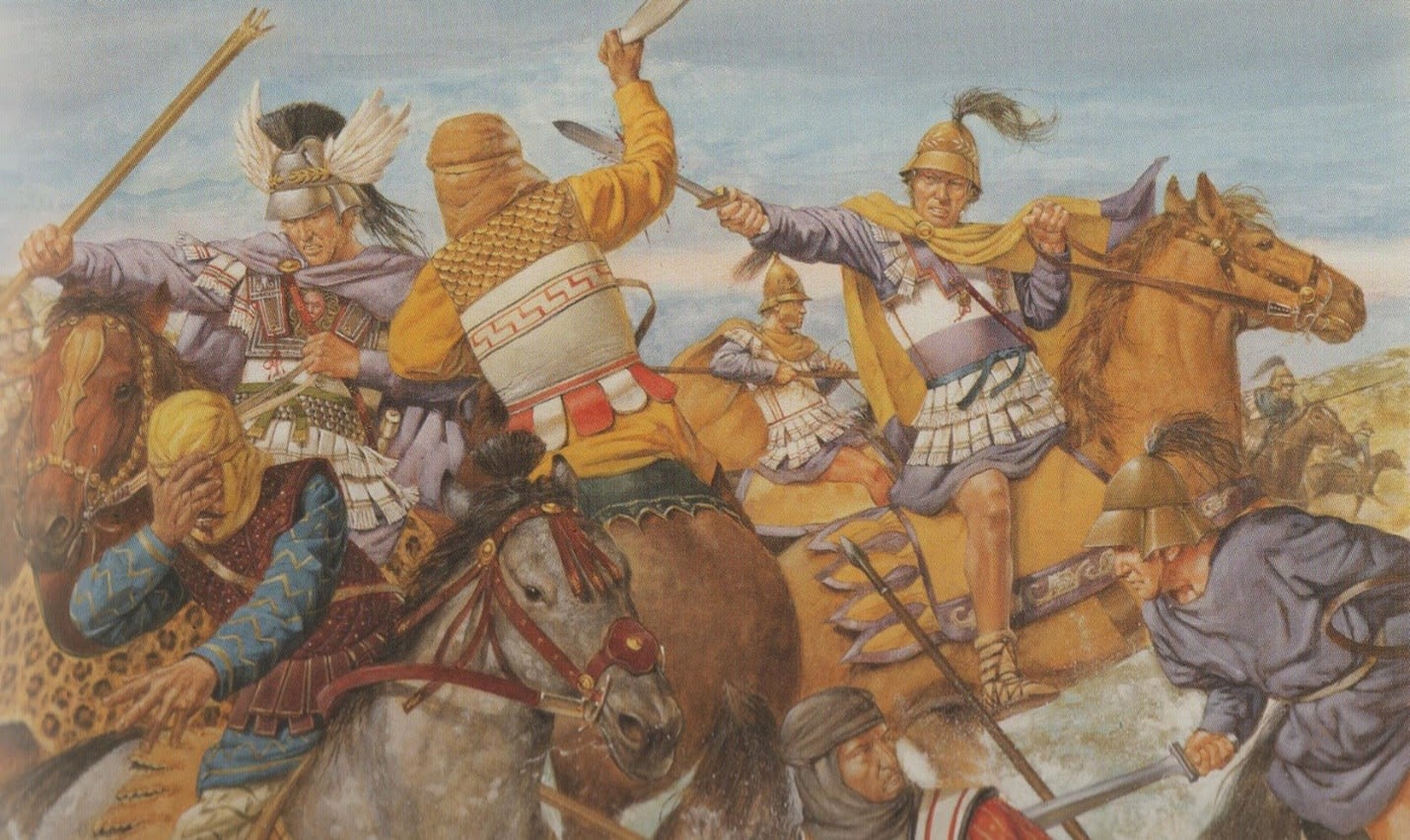
In the spring of 334 BCE Alexander crossed the Hellespont with an army of fewer than 50,000 men. Landing near Troy, he cast a spear into the shore, symbolically claiming the land. In May the first major battle took place at the Granicus River. The Persian satraps, rejecting the Greek general Memnon’s plan to employ a scorched-earth strategy, gave battle and were defeated. Alexander nearly lost his life in the clash—he was saved by Cleitus the Black, who cut off the arm of a Persian striking at the king’s head.
The victory at Granicus opened the gates of Asia Minor. Sardis, Miletus, and many Greek poleis surrendered one after another. In Caria Alexander was supported by the former ruler Ada, whom he recognized as his adoptive mother. Only at Halicarnassus did the Macedonians encounter fierce resistance from Memnon, but after a prolonged siege and heavy fighting the city fell. Recognizing the superiority of the Persian fleet, Alexander made the risky decision to disband his own ships and capture ports by land, thereby depriving the enemy of bases.
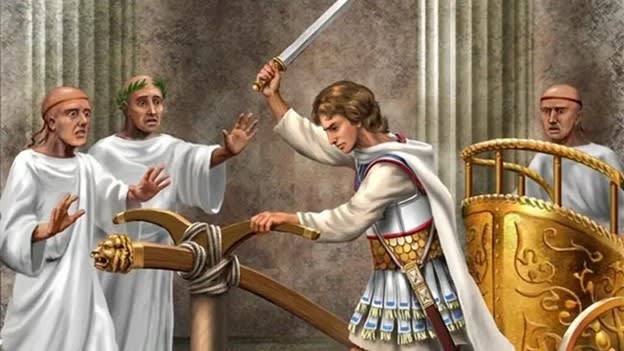
The winter of 334–333 BCE the king spent campaigning through Lycia and Pamphylia, reaching Gordium. There he did not waste time attempting to untie the legendary knot but simply cut it with his sword, affirming his claim to rule Asia. Yet the real trials lay ahead. After occupying Cappadocia, Alexander learned that King Darius III had assembled a colossal army. Hurrying into Cilicia, he nearly became the victim of his own recklessness: after bathing in the icy River Cydnus, he fell gravely ill. Only thanks to the skill of the physician Philip did Alexander recover in time to meet his fate in the foothills of Syria.
In the autumn of 333 BCE the fate of the world was decided in the narrow defile between mountains and sea at Issus. The Persian fleet in the Aegean, once a formidable force, had lost its talented commander Memnon, and Darius III was compelled to concentrate all forces on land. Despite the Persians’ enormous numerical superiority, the cramped terrain prevented full deployment. Alexander, once again personally leading the cavalry charge on the right wing, carved a path toward Darius’s chariot. Seeing the enemy rapidly approaching, the Persian king faltered and fled, leaving not only his army but also his family mother, wife, and children on the battlefield. Alexander showed unexpected magnanimity toward the noble captives, yet politically his choice was severe: instead of pursuing Darius inland, he marched south, determined to “conquer the sea from the land” by depriving the Persian fleet of its ports.


The march along the Phoenician coast became a demonstration of unyielding resolve. While Aradus, Byblos, and Sidon opened their gates, proud Tyre, situated on an island, chose neutrality. The siege lasted six months (332 BCE). The Macedonians constructed a massive causeway, employed a powerful fleet, and deployed complex siege engines. When the city fell, Alexander’s wrath was terrible: two thousand defenders were crucified, the rest sold into slavery. Gaza soon met the same fate. Having eliminated the final maritime threat, Alexander entered Egypt. There he was greeted with triumph without a single shot: the Egyptians, who hated the Persians, proclaimed him pharaoh and son of the god Amun. At this time the city was founded that was destined to become the scientific center of antiquity — Alexandria in Egypt.
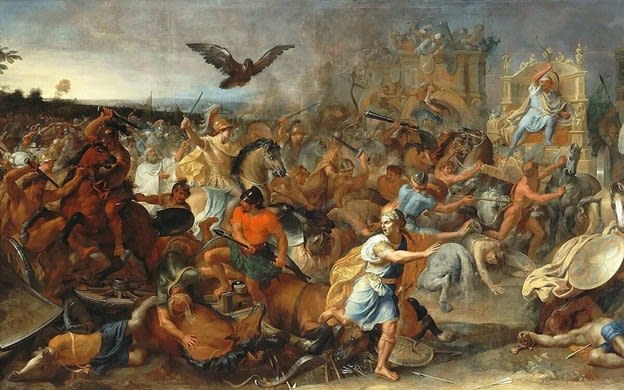
The climax of the eastern campaign was the grand Battle of Gaugamela on October 1, 331 BCE. This time Darius had prepared thoroughly: a vast plain, scythed chariots, and an army drawn from the most distant satrapies, said in legend to number a million men. Yet Alexander’s tactical genius and the iron discipline of the Macedonian phalanx prevailed. Once again Darius fled, and once again Alexander broke off the pursuit to save his left flank under Parmenion. After this victory, the Achaemenid Empire effectively ceased to exist.
The cities of Babylon and Susa greeted the victor with golden showers from their captured treasuries. In early 330 BCE Alexander entered Persepolis. At the climax of a noisy banquet, whether persuaded by the courtesan Thais or acting out of calculated revenge for Greece, the king burned the magnificent palace of Xerxes, placing a fiery full stop on the history of the old empire.


The death of Darius III at the hands of his own satrap Bessus in July 330 BCE changed Alexander’s status. He proclaimed himself the legitimate heir to the throne of Asia. Yet with the title “King of Kings” came eastern luxury, which provoked resentment among his veteran companions. The introduction of the ceremony of proskynesis (prostration) and the adoption of eastern dress were perceived by Macedonians as a betrayal of their freedom. This rift led to a series of bloody conspiracies: the execution of Philotas and his father Parmenion, the killing of Cleitus the Black in a drunken quarrel, and the exposure of the “Pages’ Conspiracy.” Paranoia and despotism began to overshadow the image of the enlightened monarch.
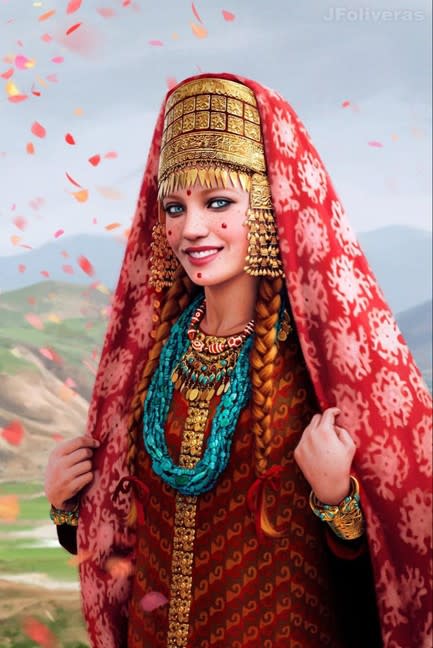
The conquest of Central Asia (329–327 BCE) became the most exhausting phase of the campaign. This was not a war of armies but a brutal guerrilla struggle in Sogdiana and Bactria. Only after the death of the rebel Spitamenes and Alexander’s marriage to the beautiful Roxana, daughter of a local nobleman, did a fragile peace settle over the region. The king’s gaze then turned even farther east, toward mysterious India.
In May 326 BCE, on the banks of the Hydaspes River, Alexander confronted the army of King Porus. Here the Macedonians encountered the true power of war elephants for the first time. Despite severe wounds and the fury of the Indian beasts, Alexander won the battle but was so impressed by Porus’s courage that he allowed him to rule his lands. India, however, proved the limit for his army. At the Hyphasis River, soldiers exhausted by tropical rains, disease, and fear of the endless expanse refused to march farther. Alexander was forced to turn back.

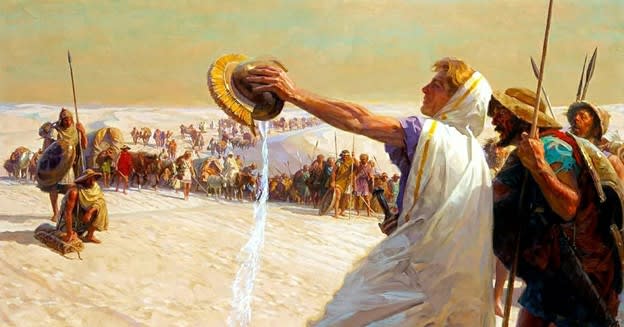
The return march through the deserts of Gedrosia became a nightmare. Heat and thirst claimed more lives than all the battles against Persia. Only in March 324 BCE did the remnants of the army reach Susa. Alexander returned not merely as a general but as the ruler of a colossal empire uniting East and West—yet the price of this union had been paid in rivers of blood and the final loss of the youthful idealism with which he had once crossed the Hellespont.
Returning to Susa in 324 BCE, Alexander found his empire in a state of unrest. A decade of campaigning had transformed him from the king of a small Macedonia into the “King of the World,” but the administrative machinery lagged behind his ambitions. Discovering that many satraps had sunk into corruption and arbitrariness, Alexander launched a sweeping purge of the administration, executing the guilty and appointing loyal men in their place. Yet his greatest dream remained the creation of a single people — the fusion of East and West.
The symbol of this unity was the grand mass wedding at Susa, where ten thousand Macedonian soldiers took Asian wives. Alexander himself, strengthening the legitimacy of his rule in the eyes of the Persians, married two princesses at once: Stateira (daughter of Darius III) and Parysatis (daughter of Artaxerxes III). His closest companions, including Seleucus and Hephaestion, also allied themselves with the eastern nobility.

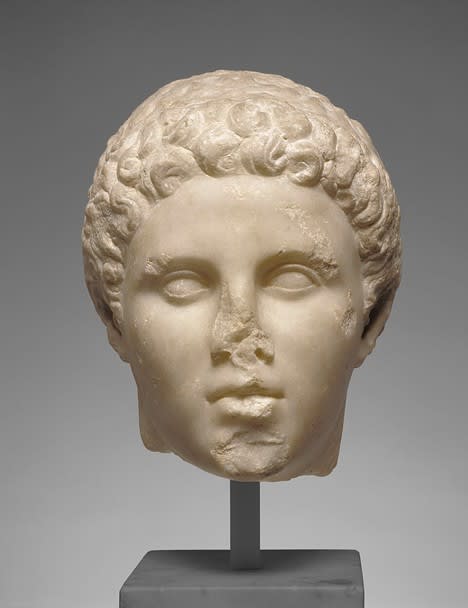
But the idyll did not last long. Military reforms that incorporated 30,000 Asian youths (“Epigoni”) trained in the Macedonian style provoked the fury of the veterans. In August 324 BCE an open mutiny erupted at Opis. The soldiers mockingly suggested that the king should “conquer the world with his dancers.” Alexander responded harshly: he executed the ringleaders and declared that henceforth he would rely only on Persians. Terrified by the prospect of oblivion, the Macedonians crawled to the king’s feet begging forgiveness. Reconciliation was sealed with a colossal banquet, after which 11,000 veterans were sent home laden with rich gifts.
In the autumn of that same year, Alexander suffered a devastating blow in Ecbatana: his “second self,” his closest friend Hephaestion, died of illness. The king’s grief was boundless: he shaved the manes of horses, demolished the walls of citadels, and arranged funeral rites that cost a fortune. Alexander’s final military campaign against the Cossaeans in the Zagros Mountains was perceived by contemporaries as a bloody sacrifice to the spirit of his fallen friend.
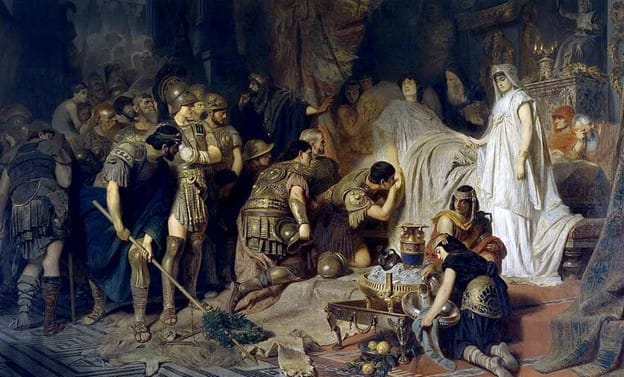
Arriving in Babylon, which he had made the capital of his empire, Alexander had no thoughts of rest. His imagination was already projecting new horizons: the conquest of Arabia, for which preparations of a fleet and the construction of ports in the Persian Gulf had begun; plans to establish control over the entire Mediterranean; and the building of canals and new harbors to unite the trade routes of India and Egypt.
In early June 323 BCE, five days before the planned Arabian campaign, Alexander fell ill. After a long banquet he was struck by a violent fever. For ten days he faded, losing both voice and strength. On June 13, 323 BCE, the heart of history’s greatest conqueror stopped. He was only 32 years old.
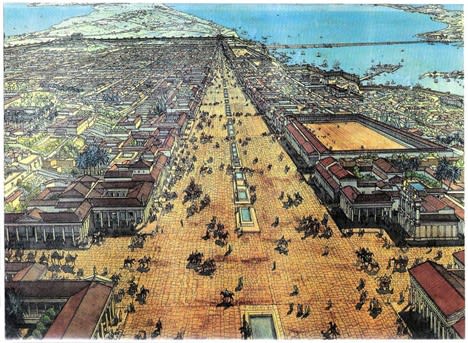
Alexander left behind not only destruction but also dozens of new cities. Although legends attribute to him the founding of seventy “Alexandrias,” historians confirm the existence of about 20–30. These cities — from Alexandria in Egypt to Alexandria Eschate in present-day Tajikistan — became outposts of Greek culture, turning the East into a melting pot of civilizations.
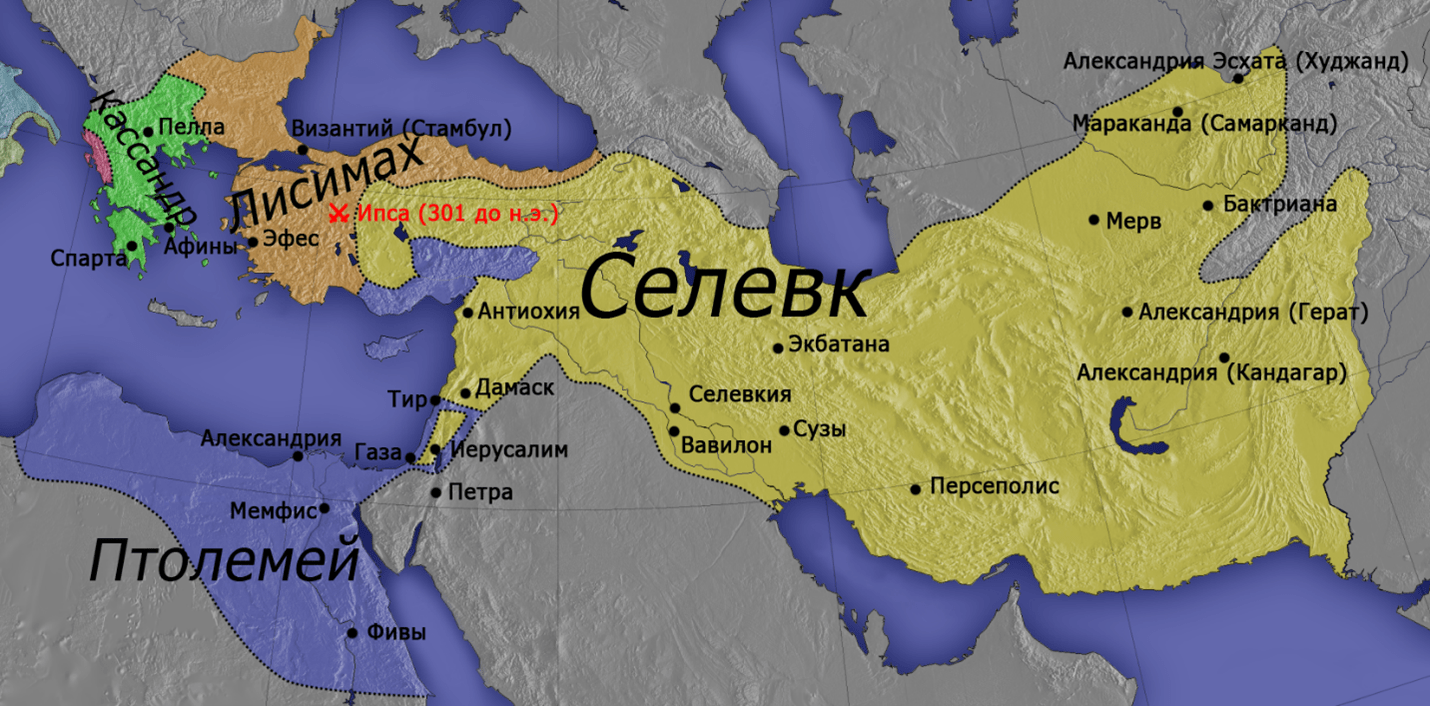
Since the king left no clear instructions regarding a successor (handing his signet ring to Perdiccas with the words “To the strongest”), the empire immediately descended into chaos. Alexander’s former generals spent forty years dividing his inheritance. By 309 BCE all the king’s direct relatives — including his mother Olympias, his wife Roxana, and his son Alexander IV — had been killed.
On the ruins of the empire arose the Hellenistic states of the Ptolemies, Seleucids, and Antigonids.
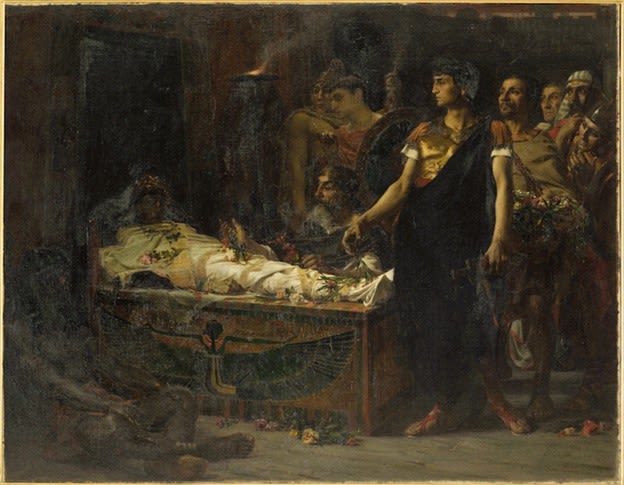
Even after death Alexander did not immediately find rest. His embalmed body was seized by Ptolemy and transported to Egypt. The mummy first rested in Memphis and was later transferred to a magnificent mausoleum in Alexandria. There it was venerated by Romans such as Julius Caesar and Octavian Augustus (the latter, according to legend, accidentally broke off the mummy’s nose while attempting to kiss it). Over time the location of the tomb was lost, and the search for the “Golden Sarcophagus” continues to this day.


