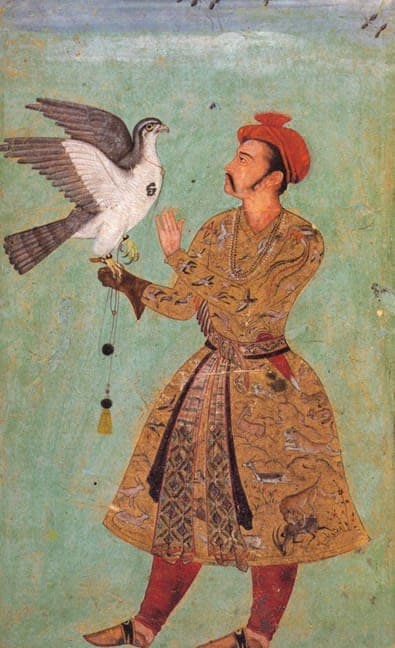
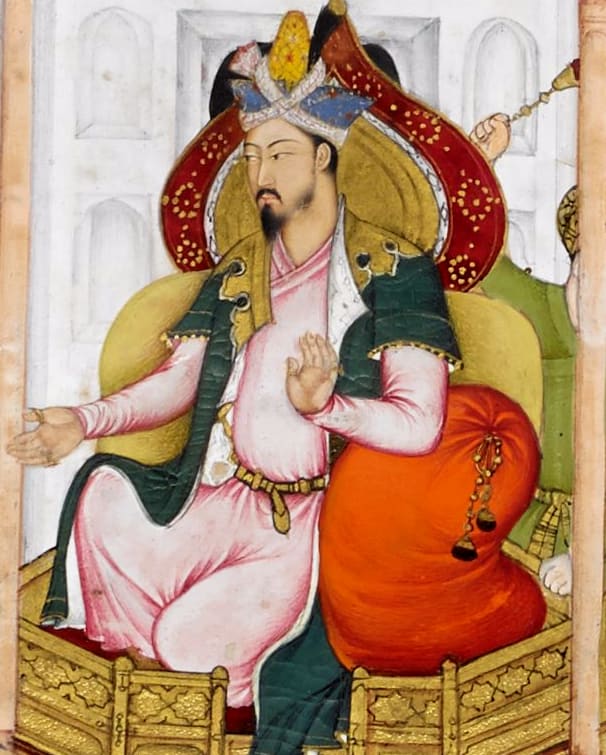
Akbar was born on October 14, 1542, in the Rajput fortress of Umarkot, in Sindh. His father was the Mughal padishah Humayun, and his mother was Hamida Banu Begum.
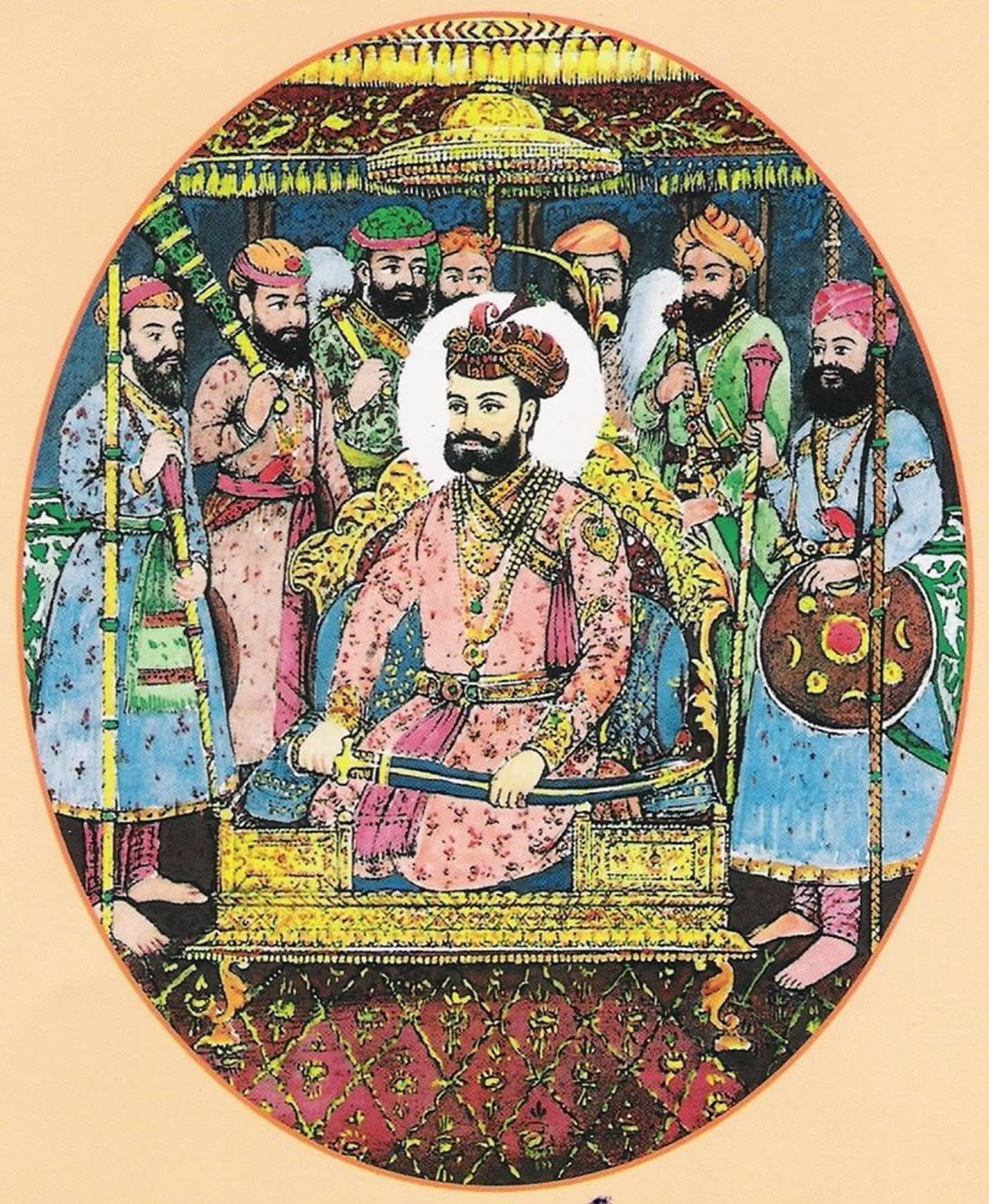
After Humayun’s defeats by Sher Shah in 1539 and 1540, he was forced into exile, and the young Akbar spent his childhood on the run. In November 1551, at Jalandhar, he married his cousin Ruqaiya Sultan Begum. After the death of Sher Shah’s son, Islam Shah, Humayun was able to retake Delhi in 1555, but soon died. On February 14, 1556, at only thirteen years of age, Akbar was proclaimed shahanshah. Until he came of age, the realm was governed by the regent Bairam Khan.
Soon after taking power, in November 1556 Akbar won a decisive victory over the Hindu ruler Hemu in the Second Battle of Panipat.
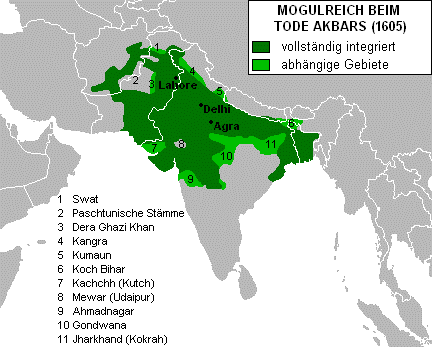
In 1560 he removed Bairam Khan and put down a series of revolts, including an uprising by his brother Hakim in 1579. It took Akbar nearly two decades to consolidate his power. By the early seventeenth century his empire encompassed all of northern India, including the wealthy regions of Rajputana, Gujarat, Bengal, Sindh, and Kashmir. To strengthen his position, Akbar showed political foresight by forging alliances with the Rajputs, marrying a Rajput princess. He allowed them to retain local autonomy in exchange for annual tribute and military service—arrangements that let him employ their forces for further conquests. Qandahar was retaken from the Persians, bringing all of eastern Afghanistan under Mughal rule.
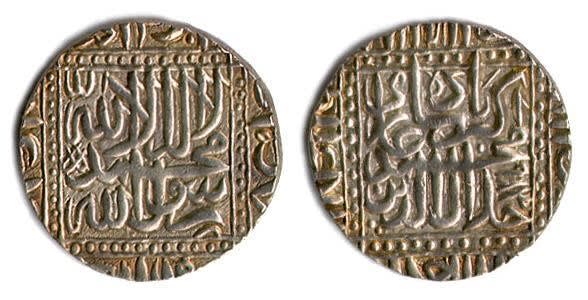
Akbar was not only a great commander—earning comparisons with Alexander the Great and the epithet “the Great”—but also a farsighted reformer. In 1574 he began domestic reforms aimed at creating a centralized state. He tightened control over the army by introducing the mansab rank system and reorganized the administrative divisions of the country. In the first years of his reign he carried out a tax reform, setting the peasant tax at one-third of the harvest and abolishing tax farmers; revenues were collected directly by the state. Moreover, tax was assessed only on cultivated land. In the central parts of the realm, Akbar commuted the peasantry’s payments from kind to cash. He also abolished the jizya (the tax on non-Muslims) and the humiliating head tax imposed on Hindus. A uniform system of weights and measures and a common solar calendar were introduced throughout the empire.
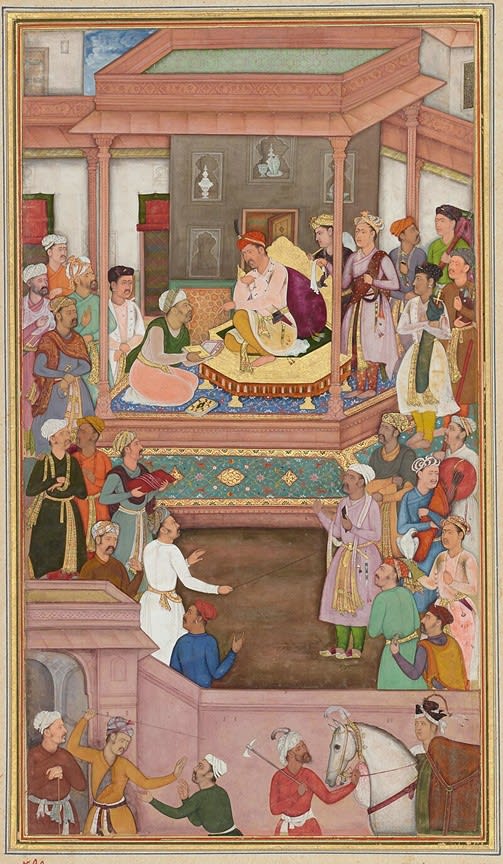
Akbar’s reign is considered a golden age of Indian culture and art. He was a patron of learning and the arts, gathering at his court the finest scholars, poets, musicians, and painters, regardless of religion. A distinctive school of painting emerged, and his magnificent library held more than 24,000 volumes. His closest associates included the Muslim Abu’l-Fazl author of the historical chronicle Akbarnama and the Hindu Brahmin Birbal.
Akbar took a keen interest in religions, including Christianity, about which Catholic missionaries informed him. He granted land and funds not only for mosques, but also for Hindu temples and Christian churches in Goa. In 1582 he attempted to establish a new mystical doctrine, Dīn-i Ilāhī (“Divine Faith”), which combined elements of Hinduism, Zoroastrianism, Islam, and, in part, Christianity. Akbar said: “Only that faith is true which reason approves.”
Akbar’s foreign policy was pragmatic and aimed at strengthening the state. At the beginning of his reign the Portuguese already controlled maritime trade on India’s west coast. In 1572, after the conquest of Gujarat, the Mughal Empire gained access to the sea, but Akbar was obliged to obtain a cartaz (permit) from the Portuguese for his ships, including those carrying pilgrims to Mecca. He maintained diplomatic relations with the Safavids long-standing allies of his father and with the Ottoman Empire, sending them rich caravans of gifts.
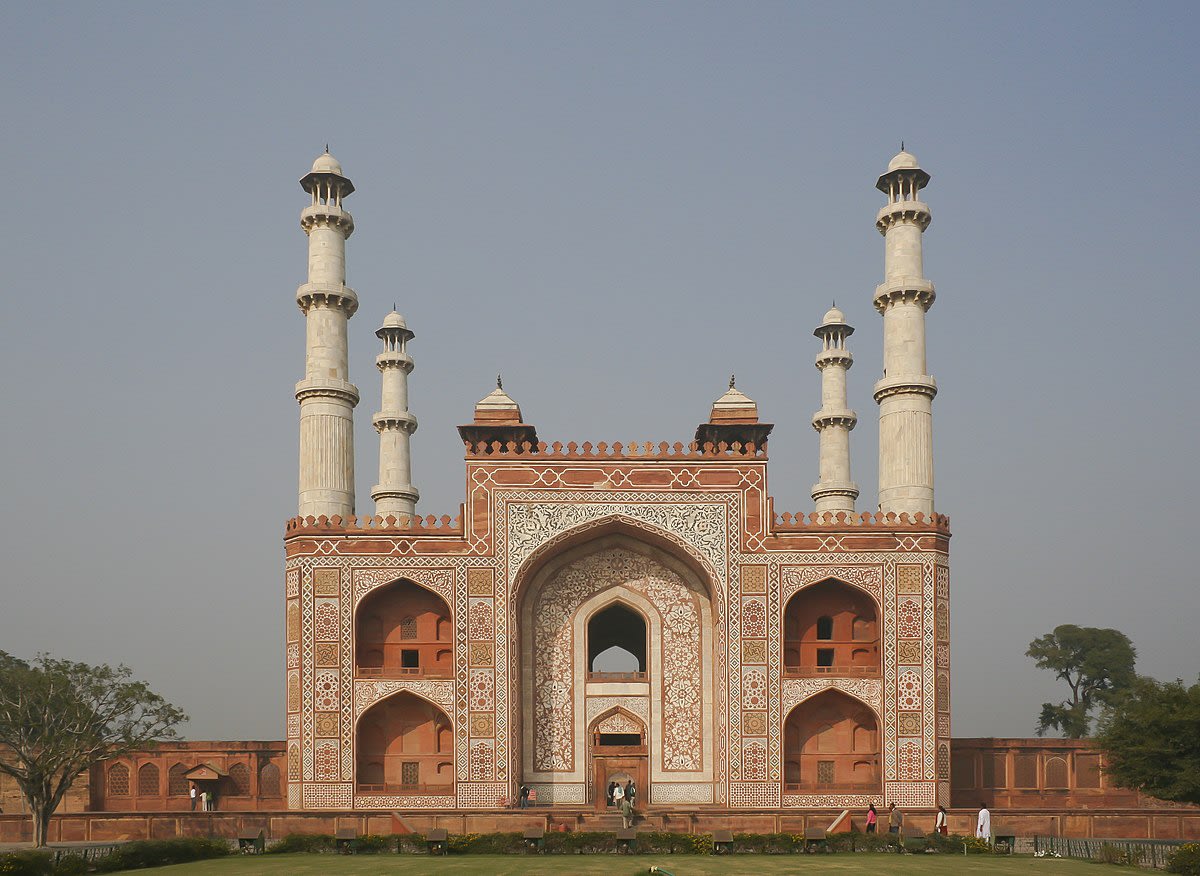
Akbar’s last years were overshadowed by court intrigues and plots by his son Salim. Akbar died of dysentery on October 26, 1605. He was buried in a mausoleum at Sikandra. Seventy years later, in 1691, the Jats rebelling against the Mughals looted the tomb and burned his remains.


