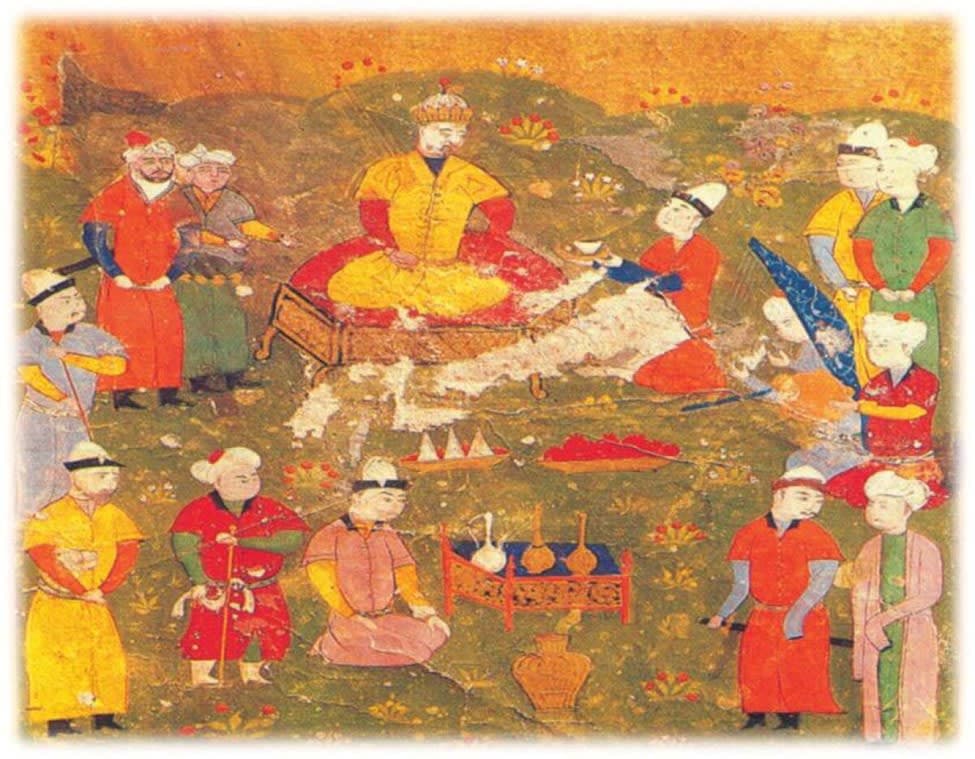
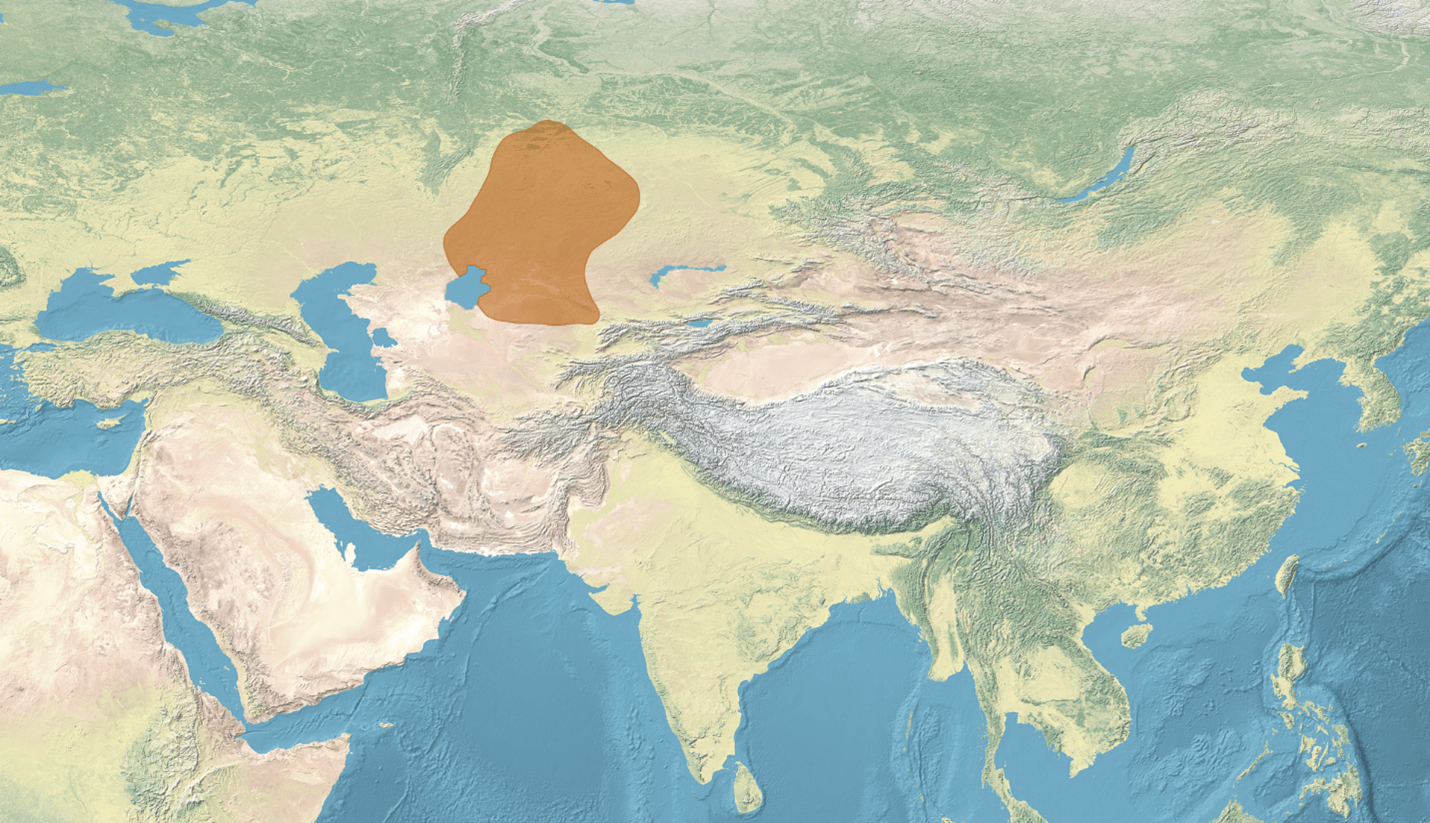
Abu’l-Khayr was born in 1412 and was a descendant of the Shibanid line, a branch of the Jochids. In the early 15th century the Golden Horde was falling apart after the death of Emir Edigü in 1420. This anarchy opened the way for new contenders for power. After his kinsman Jümaduk Khan was killed in 1427, the sixteen-year-old Abu’l-Khayr was taken captive but soon released. In 1428, at the age of seventeen—and with the backing of tribal leaders and Manghit emirs—he was proclaimed khan in the city of Tura in Western Siberia. This coronation marked the beginning of a new state known as the Uzbek Khanate.
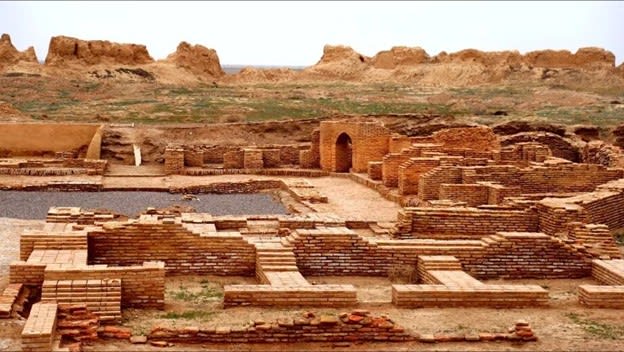
Abu’l-Khayr Khan successfully united most of the Shibanid domains under his rule. He seized the Siberian Khanate with its capital at Tura, as well as a number of important cities, including Khwarazm in 1430 and Sighnaq and Suzak in 1446. He moved his capital from Tura to Sighnaq, which became the new center of power.
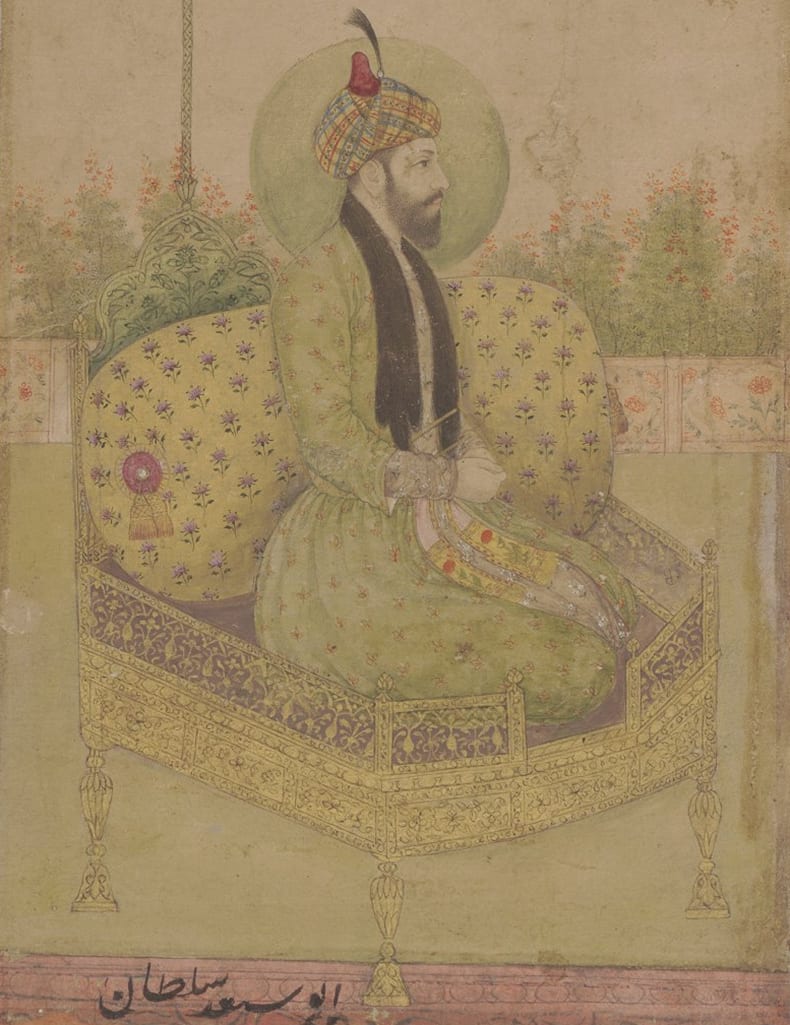
Abu’l-Khayr’s reign was closely entwined with the Timurid civil wars in Transoxiana. In 1451 he provided military aid to the Timurid Abu Saʿid in his struggle for control of Samarkand, enabling the latter to take power. The alliance was cemented by dynastic marriages: Abu’l-Khayr himself married Rabia Sultan Begim, a daughter of the renowned Timurid ruler and astronomer Ulugh Beg, while his own daughter Khan-khada Begim was given in marriage to Abu Saʿid. These unions strengthened his position, and Ulugh Beg’s sons by Rabia Sultan Begim—Kuchkunji Khan and Suyunchkhoja Khan—later governed Transoxiana.
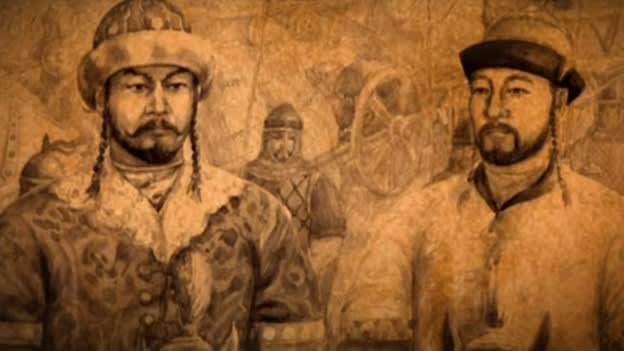
In 1457 Abu’l-Khayr’s authority was seriously undermined when he suffered a crushing defeat near Sighnaq at the hands of the Oirats under Uch-Temür Taishi. After this setback his power waned. In the 1460s a portion of his subjects, led by the sultans Kerei and Janibek, migrated to Moghulistan—an event that marked the beginnings of the Kazakh Khanate and further weakened Abu’l-Khayr’s state.
Abu’l-Khayr Khan died sometime between 1468 and 1470 in the Eastern Desht-i Qipchaq. After his death the Uzbek Khanate plunged into political instability, and his heirs failed to retain power, which was gradually seized by Kerei and Janibek.
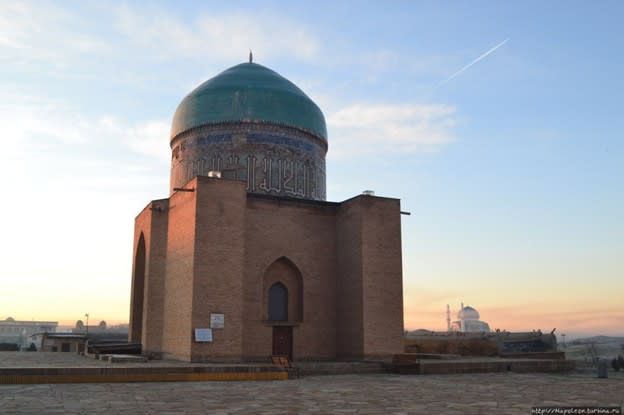
Despite the political reverses at the end of his reign, Abu’l-Khayr left a significant legacy. He founded the dynasty that, under his grandson Shaybani Khan, would go on to conquer Transoxiana. His children and grandchildren erected a mausoleum over his grave near the city of Sighnaq. His wife, Rabia Sultan Begim, was buried in the city of Turkistan by the mausoleum of Khoja Ahmad Yasavi.


